Antioxidants are powerful substances that protect our bodies from the harmful effects of excessive oxidation. They play a critical role in maintaining health by neutralizing free radicals—unstable molecules produced during normal metabolism, immune responses, or from external factors like pollution and UV exposure. Left unchecked, free radicals can cause oxidative stress, which damages cells and contributes to aging and chronic disease.
Types of Antioxidants
Antioxidants are not a single compound but a diverse group of substances, each serving a unique role in protecting the body. They can be classified into:
Vitamins: A, C, and E
Carotenoids: Beta-carotene, lycopene, lutein, zeaxanthin
Minerals: Selenium, manganese
Plant compounds: Flavonoids, polyphenols, catechins, phytoestrogens
Our body also produces its own antioxidants (endogenous), but we rely heavily on dietary sources (exogenous) for additional support. Consuming a wide variety of foods ensures better antioxidant coverage.
How Free Radicals Cause Damage
Free radicals are byproducts of processes like food metabolism, infection fighting, and exposure to environmental triggers. If not neutralized, they build up and damage cells, tissues, and DNA. Chronic oxidative stress is linked to conditions such as:
Cardiovascular disease
Cancer
Arthritis
Parkinson's disease
Stroke
Emphysema and other degenerative illnesses
What Increases Oxidative Stress
Several factors can tip the balance toward excessive free radical production:
Heavy or prolonged physical exertion
Tissue injury and chronic inflammation
Diets high in processed foods, trans fats, and additives
Alcohol consumption and smoking
Exposure to pesticides, industrial chemicals, and radiation
Environmental pollutants
How Antioxidants Work
Antioxidants counter oxidative stress in multiple ways:
Neutralizing unstable free radicals before they can damage cells
Regulating metals like iron and copper that fuel radical production
Supporting the immune system in managing inflammation and cellular repair
Benefits of Antioxidants
Regular consumption of antioxidant-rich foods helps to:
Protect cells from oxidative damage
Reduce the harmful effects of pollutants and toxins
Support healthy aging and disease prevention
Food Sources of Antioxidants
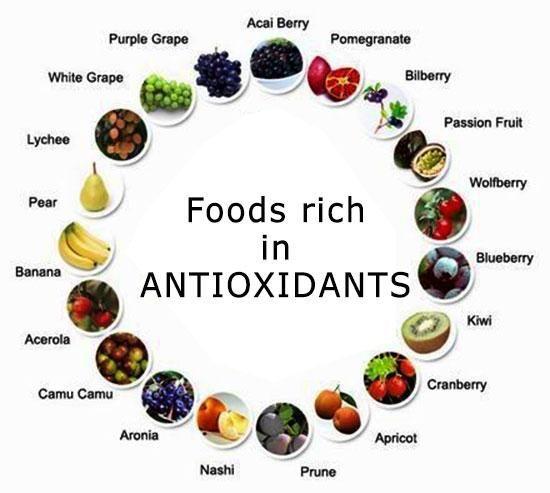
A balanced diet full of colorful, natural foods ensures an abundance of antioxidants. Some of the richest sources include:
Dairy, eggs, liver – vitamin A and selenium
Citrus fruits, berries, and bell peppers – vitamin C and flavonoids
Nuts, seeds, vegetable oils, leafy greens – vitamin E and polyphenols
Carrots, mangoes, and spinach – beta-carotene and lutein
Tomatoes and watermelon – lycopene
Kale, papaya, and corn – carotenoids
Whole grains, legumes, and beans – selenium and polyphenols
Other antioxidant-rich foods: eggplant, green and black tea, red grapes, pomegranates, dark chocolate, broccoli, apples, and blueberries
Tips to Boost Antioxidant Intake
Snack on unsalted nuts, seeds, and dried fruits
Drink green tea or matcha daily
Use antioxidant-packed spices like turmeric, ginger, cumin, oregano, cloves, and cinnamon
Eat a rainbow of colorful fruits and vegetables
Include at least one fruit or vegetable with every meal and snack
A diet rich in plant-based foods, whole grains, and minimally processed choices naturally boosts antioxidant levels, empowering the body to defend against oxidative stress and stay resilient against disease.