Personalized nutrition is rapidly evolving with the help of Artificial Intelligence (AI) and Machine Learning (ML). These technologies enable a shift from generalized dietary recommendations to customized nutrition plans, tailored to each individual's genetic makeup, gut microbiome, lifestyle, and health goals. AI makes it possible to offer dynamic, adaptive, and precise nutrition guidance, changing how we approach diet and preventive healthcare.
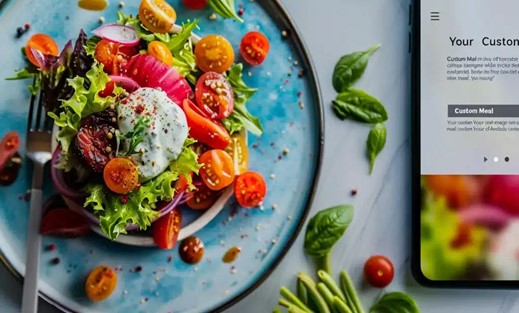
Revolutionizing Nutrition Through AI and ML
1. Intelligent Data Integration
AI integrates continuous data streams from smart devices, health trackers, lab results, and sleep monitors to create a living, evolving nutrition profile. This comprehensive approach allows for nutrition recommendations that adapt in real-time based on current health status, activity levels, and environmental factors.
2. Gene- and Microbiome-Aware Diets
ML algorithms personalize meal plans based on gut flora diversity and how different genetic variants influence metabolism and food sensitivity. By analyzing genetic polymorphisms related to nutrient metabolism, AI can predict how individuals will respond to specific foods and nutrients, optimizing dietary choices for maximum health benefit.
3. Predictive Nutritional Interventions
AI can detect subtle biomarkers that indicate early insulin resistance or nutrient deficiencies, allowing for proactive adjustments to diet. Machine learning models can identify patterns in health data that precede the development of chronic conditions, enabling preventive dietary interventions before symptoms appear.
4. Real-Time Personalization and Feedback
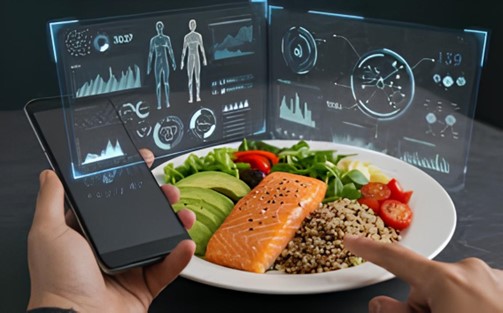
AI-driven apps track food intake, physical activity, and even mental state to provide real-time dietary recommendations that adapt based on current conditions. For example, if a user logs poor sleep or increased stress, the app may suggest magnesium-rich meals or anti-inflammatory foods.
5. Behavior Coaching and Personal Engagement
Natural Language Processing (NLP) allows AI to interact with users conversationally, providing motivation, answering questions, and adapting advice based on user habits and preferences. AI-powered diet coaches personalize engagement, tone, and goal-setting to improve user adherence and satisfaction.
Benefits of AI in Personalized Nutrition
Hyper-Personalization: Tailors diets using comprehensive personal data including genetics, lifestyle, and biomarkers. This level of customization was previously impossible with traditional one-size-fits-all approaches.
Speed and Accuracy: Removes trial-and-error by quickly identifying optimal dietary strategies. AI can process vast amounts of data in seconds to provide evidence-based recommendations.
Scalability: Delivers customized plans to millions without exhausting human nutritionists. This democratizes access to personalized nutrition guidance.
Cost-Effective Care: Prevents chronic conditions through diet, reducing long-term healthcare costs. Early intervention through AI-guided nutrition can prevent expensive medical treatments.
Adaptive Systems: Continuously learns from new data to improve recommendations over time. The more data the system processes, the more accurate its predictions become.
Challenges and Ethical Considerations
Despite its potential, AI-powered nutrition presents several challenges:
Data Privacy: Handling sensitive genetic and health data demands strict cybersecurity and consent management. Users must trust that their personal health information is protected and used responsibly.
Bias and Representation: AI models must be trained on diverse datasets to avoid inequities in dietary recommendations. Historical biases in medical research could be perpetuated if not carefully addressed.
Transparency: Users and clinicians need clarity on how AI arrives at specific recommendations. The "black box" nature of some AI systems can make it difficult to understand the reasoning behind suggestions.
Digital Literacy: Users must understand and trust AI advice to use it effectively. Education and clear communication are essential for successful adoption.
Future Outlook
AI in personalized nutrition is just beginning. The coming years may see:
Custom Nutraceuticals: AI-formulated supplements tailored to your microbiome and deficiencies. Personalized vitamins and minerals based on individual genetic profiles and nutrient absorption rates.
National Health Surveillance: Public health agencies using AI to monitor population diet trends and intervene early. Large-scale dietary pattern analysis could help prevent disease outbreaks and nutritional deficiencies.
Cultural Adaptation: Multilingual AI systems that respect local dietary customs and preferences. Nutrition recommendations that honor cultural food traditions while optimizing health outcomes.
Food-as-Medicine Platforms: Integration of AI nutrition tools into primary care for managing lifestyle diseases. Healthcare providers could prescribe specific foods and dietary patterns as medical interventions.
Conclusion
AI and ML are transforming how we understand and implement nutrition. These technologies enable precision health, helping individuals eat smarter, feel better, and prevent disease — all through a deeply personalized, data-driven approach. As AI continues to advance, personalized nutrition will become more accessible, inclusive, and effective, reshaping how we care for ourselves and our communities.
The future of nutrition is not just about what we eat, but about understanding how our unique biology, lifestyle, and environment interact with food to optimize our health. AI and machine learning are making this personalized approach to nutrition a reality, offering unprecedented opportunities to improve human health through precision dietary interventions.