Food allergies and intolerances affect millions of people throughout the world and can hugely affect a person's health and lifestyle. Frequently confused for one another, these two conditions have very different causes, symptoms, and treatments. Understanding the difference allows one to safely and wisely adjust one's diet.
What are Food Allergies?
Immune system reaction: Food allergies involve an abnormal reaction of the immune system with respect to certain food proteins.
Common allergens: Milk, eggs, peanuts, tree nuts, wheat, soy, fish, and shellfish.
Symptoms: They appear sometimes very quickly after exposure and constitute hives, swelling, dyspnea, abdominal pain, and anaphylaxis—a life-threatening reaction.
What Is Food Intolerance?
A digestive system issue: Food intolerance occurs when the body's doing an imperfect job digesting particular substances.
Common intolerances: Lactose—milk sugar, gluten—wheat protein, food additives—like MSG.
Symptoms: Generally, its symptoms include bloating, gas, cramps, diarrhea, or headaches, even though they are seldom life-threatening.
Key Differences between Food Allergies and Food Intolerance
Cause: Allergies involve the immune system; intolerances involve the digestive system.
Onset: Allergic reactions tend to be immediate; intolerance symptoms lag behind.
Severity: With allergies, emergency room visits might be necessary; intolerances cause nausea, headache, etc., but are not so much of a concern.
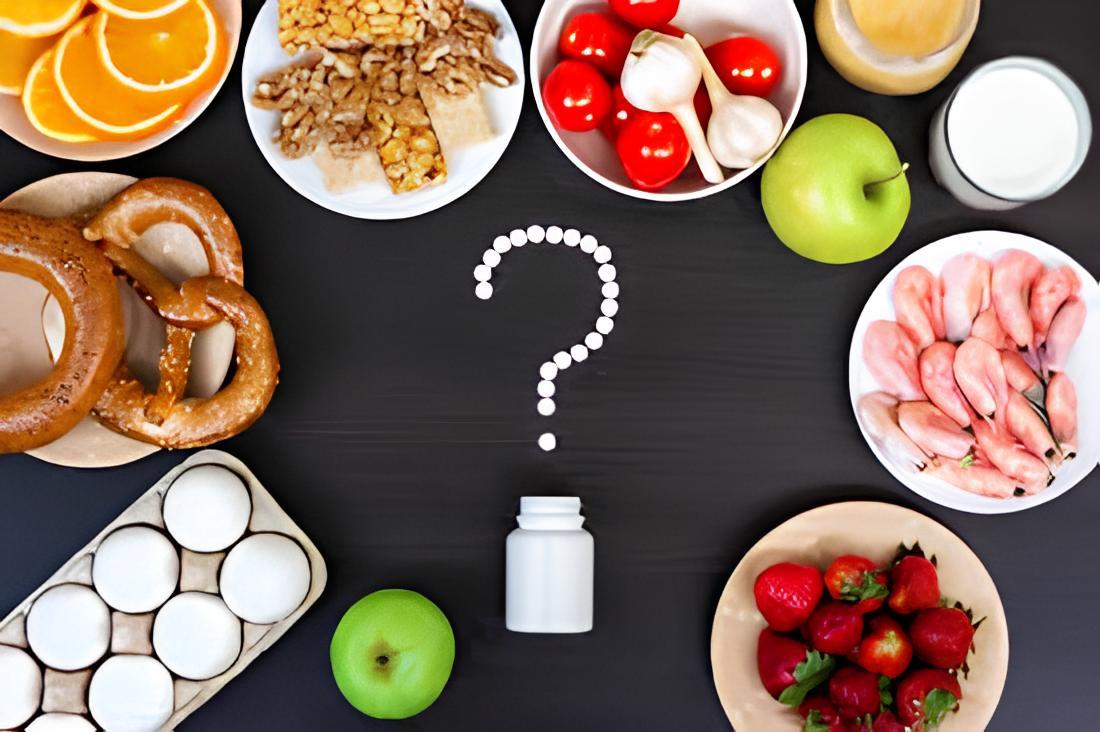
How to Change Your Diet According to Specific Allergies and Intolerances
1. Get a Confirmation from a Professional
Before any allergy testing or trying an elimination diet, one ought to consult his or her healthcare provider.
Please do not self-diagnose: you might start unnecessary restrictions on foods or might even miss the real cause.
2. Read All Food Labels Thoroughly
Always read and examine the ingredient list below on food labels. Most common allergens will be clearly stated.
Check for hidden allergen ingredients or even warnings regarding the possibility of cross-contact.
3. Delete the Offending Foods
Stay away from those foods that can cause reactions.
In the case of intolerances, reduction is either on the basis of tolerance for portion size or on the frequency.
4. Select Proper Replacement
For gluten intolerance, use grains such as Dalia, quinoa, millet, or rice.
Replace normal milk with alternatives like oat, soy, or almond milk.
Select allergen-friendly versions of your staple foods to prevent unwanted reactions.
5. Seek Advice from a Dietitian
Make sure your new diet remains suited to your nutritional requirements.
A clinical dietitian can guide in developing individualized meal plans that are enjoyable and safe according to your health conditions.
Conclusion
Knowing the difference between food allergy and food intolerance will entitle you to take charge of your health. With a little planning, a lot of communication, and professional assistance, you will be well on your way to a secure, nutritious, and pleasurable diet worthwhile to your life.