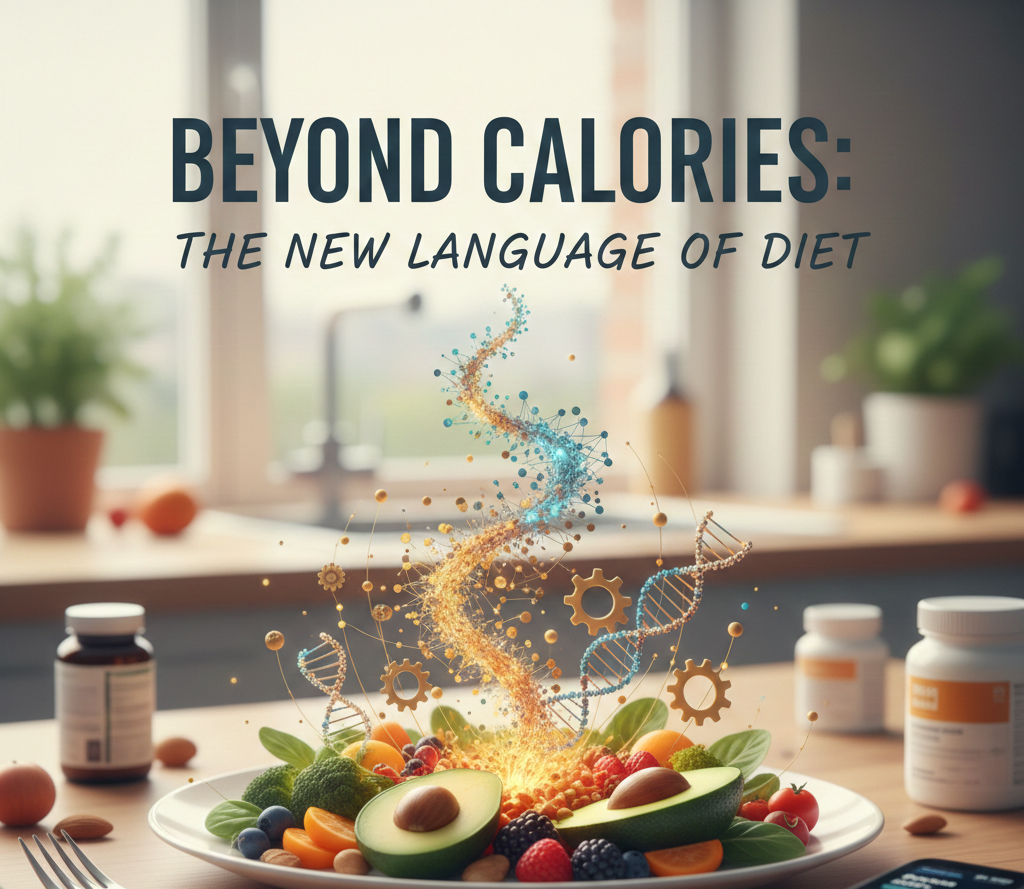
For decades, calories have dominated discussions around weight, food, and health. While energy balance is important, research shows that calories alone cannot explain how food truly affects the body. Modern nutrition is evolving into a more nuanced, science-driven discipline—a language that focuses on quality, personalization, and long-term health outcomes.
Why Calories Are Not Enough?
Not all calories are created equal. A 100-calorie apple doesn't affect the body the same way as 100 calories of candy. Beyond energy, foods influence metabolism, satiety, inflammation, and gut health. The focus has shifted from counting calories to understanding how food interacts with the body at multiple levels.
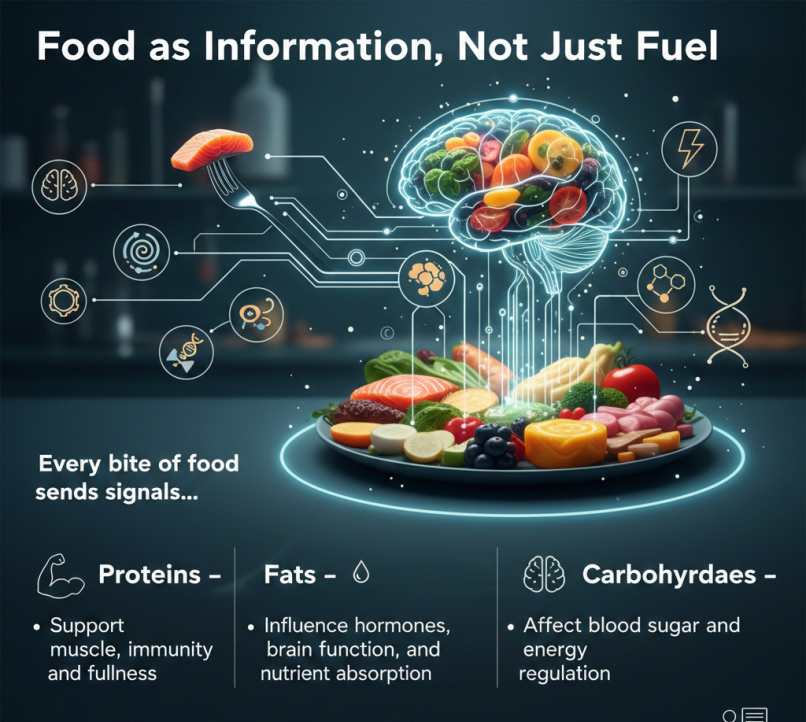
Food as Information, Not Just Fuel
Every bite of food sends signals to hormones, enzymes, and even genes. Proteins, fats, and carbohydrates all have distinct roles:
Proteins – Support muscle, immunity, and fullness.
Fats – Influence hormones, brain function, and nutrient absorption.
Carbohydrates – Affect blood sugar and energy regulation.
Modern nutrition emphasizes optimizing these macronutrients based on individual metabolic needs rather than restricting calories blindly.
The Role of Micronutrients and Functional Foods
Vitamins, minerals, fiber, and bioactive compounds play a vital role in overall health. Diets that meet calorie goals but lack nutrient density can contribute to fatigue, poor immunity, and chronic disease. The new diet language values functional, nutrient-rich foods that actively support cellular health.
Metabolic Response and Personalization
Everyone reacts differently to the same foods due to genetics, hormones, lifestyle, and gut microbiome composition. Personalized nutrition considers these variations, enabling tailored recommendations for improved energy, weight management, and long-term wellness.
Gut Health: The Hidden Player
The gut microbiome impacts digestion, immunity, and even mental health. A diet rich in fiber, fermented foods, and plant diversity promotes microbial balance, making gut health central to modern nutrition planning.
Sustainability and Behavior Over Restriction
Extreme calorie cutting may produce short-term results but is rarely sustainable. Long-term success relies on adaptable, behavior-focused dietary patterns that fit lifestyle, preferences, and cultural habits.
Why are calories no longer the only measure of a healthy diet?
Calories indicate energy content but don't capture how foods affect metabolism, hormones, gut health, or nutrient status. Modern nutrition focuses on food quality, micronutrients, and personalized responses to optimize health outcomes.
How does personalized nutrition differ from traditional calorie-based diets?
Personalized nutrition considers genetics, lifestyle, metabolic responses, and gut microbiome, tailoring dietary recommendations to the individual. Unlike generic calorie-focused diets, it prioritizes long-term wellness, nutrient density, and sustainable eating habits.
What role does gut health play in modern nutrition?
The gut microbiome affects digestion, immunity, inflammation, and even mental health. A diet rich in fiber, fermented foods, and diverse plant-based foods supports microbial balance, making gut health a key component of personalized, effective nutrition.
The Bottom Line
Calories still matter, but they no longer define a healthy diet. The new language of diet focuses on food quality, metabolic response, gut health, micronutrients, and personalization. By embracing this holistic, science-driven approach, nutrition professionals and individuals alike can achieve sustainable health, improved energy, and long-term wellness.
Dytoclick is an innovative software designed specifically for dietitians, helping them create personalized nutrition plans and efficiently manage client progress. Along with its practical tools, Dytoclick also serves as a reliable knowledge platform, offering expert content on diet, nutrition, and health-related topics. By combining technology with education, Dytoclick empowers professionals to make informed dietary recommendations that support both physical and mental well-being.