Carbohydrates have long been portrayed as the dietary villain, often blamed for weight gain, bloating, and fatigue. But is this reputation truly deserved? The reality is far more nuanced. Carbohydrates are one of the body's primary energy sources, and when chosen correctly and consumed in the right amounts, they play a vital role in maintaining overall health.
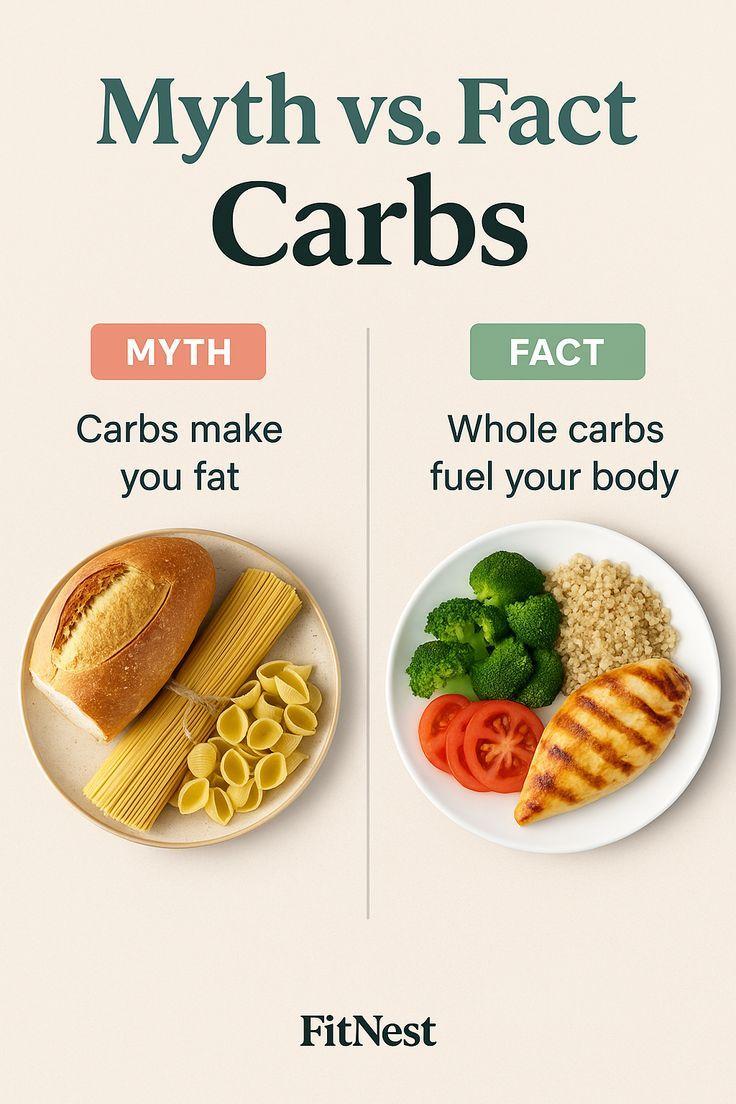
Myth: "Carbs Automatically Make You Gain Weight"
Many people believe that eating carbohydrates directly leads to fat storage. This myth largely stems from the quick rise in blood sugar after consuming refined carbs like white bread, pastries, and sugary drinks. These foods can trigger cravings and overeating, contributing to weight gain. However, it's not the carbohydrate itself that causes weight gain—it's the quality and quantity of the carbs consumed.
Reality: Quality Matters More Than Quantity
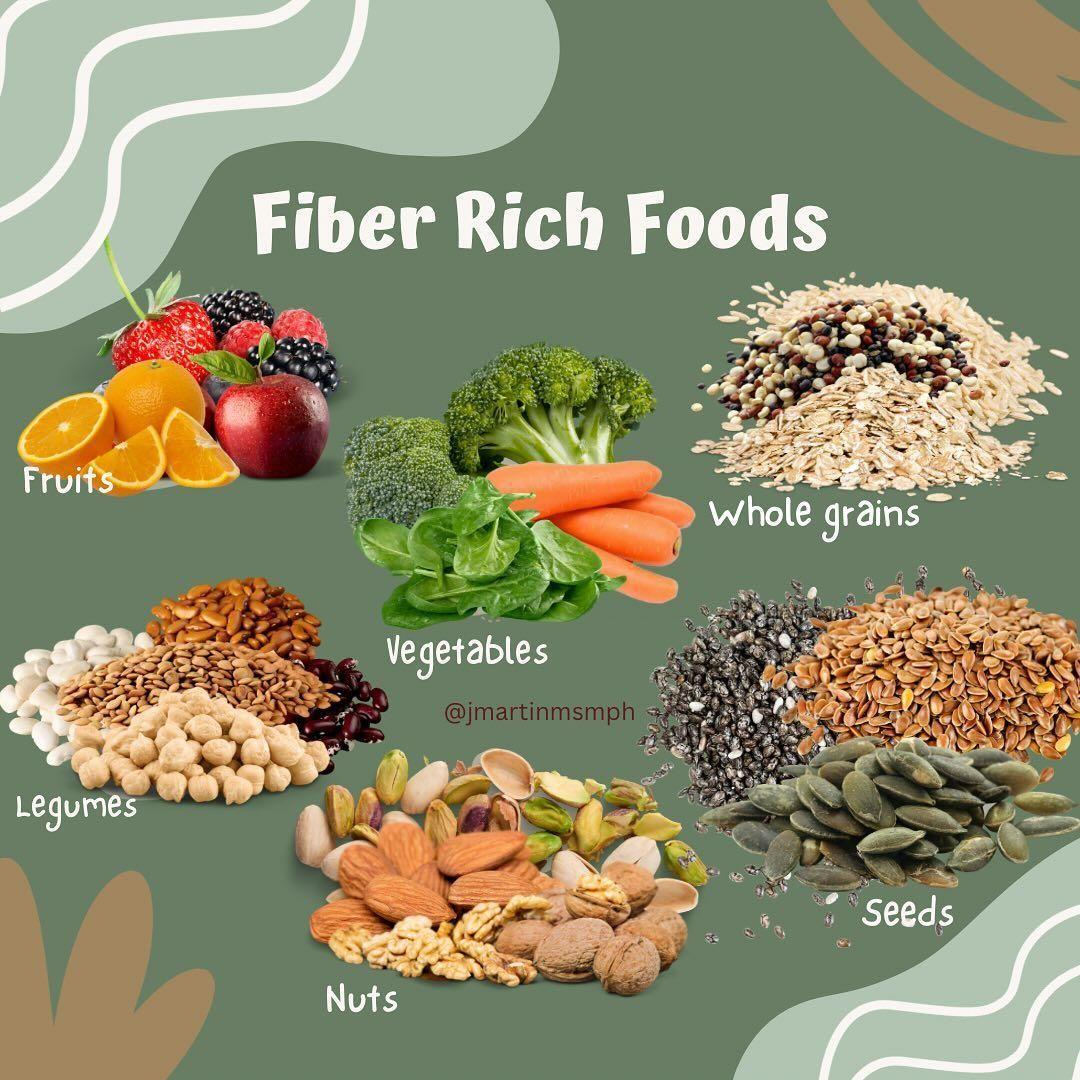
Healthy, complex carbohydrates such as whole grains, oats, quinoa, legumes, fruits, and vegetables are rich in fiber. Fiber slows digestion, stabilizes blood sugar, and helps you feel full for longer, reducing the likelihood of overeating. These foods support metabolic health, digestion, and sustained energy levels.
Weight gain occurs primarily when you consistently consume more calories than your body needs—regardless of whether those calories come from carbs, fats, or proteins. In fact, many people successfully lose weight on balanced diets that include carbs, as long as they are consuming more fiber-rich and minimally processed varieties.
Myth: Low-Carb Diets Are the Only Way to Lose Weight
Low-carb diets like keto or Atkins may produce rapid initial weight loss, often due to water loss and reduced calorie intake. While these diets can be effective in the short term, they may be challenging to maintain and can lead to nutrient deficiencies if not well-planned.
Reality: Balanced Carb Intake Supports Long-Term Success
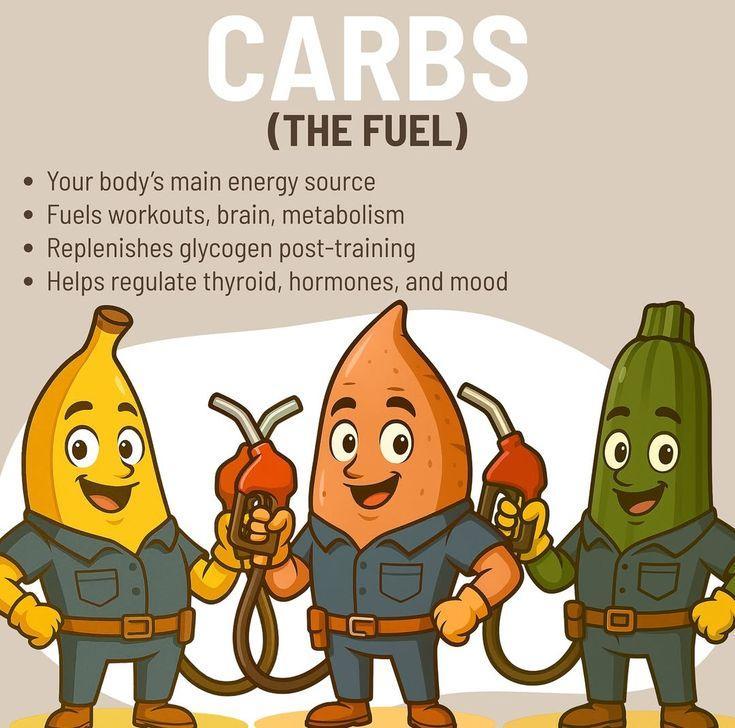
A sustainable approach includes moderate carb intake with an emphasis on whole foods. Carbohydrates support essential functions, including energy production, hormonal balance, and brain function. Completely cutting them out can lead to fatigue, irritability, constipation, and reduced athletic performance.
So, Are Carbs to Blame?
Not inherently. The real culprits behind weight gain are refined carbs, excessive portions, and an overall imbalance of calorie intake versus expenditure. Choosing whole, fiber-rich carbohydrate sources can actually enhance weight management and support long-term health.
Final Thoughts
Carbohydrates are not the enemy. It's about making smarter choices—opting for whole grains instead of refined grains, fruits instead of sugary snacks, and maintaining balanced portions. When consumed mindfully, carbs can be a nourishing and energizing part of a healthy, sustainable diet.
Dytoclick is innovative software designed specifically for dietitians, helping them create personalized nutrition plans and efficiently manage client progress. Along with its practical tools, Dytoclick also serves as a reliable knowledge platform, offering expert content on diet, nutrition, and health-related topics. By combining technology with education, Dytoclick empowers professionals to make informed dietary recommendations that support both physical and mental well-being.