Complementary feeding is a crucial developmental phase that begins around 6 months of age, when breast milk alone is no longer sufficient to meet an infant's growing nutritional needs. At this stage, introducing nutrient-dense foods supports healthy growth, brain development, immunity, and establishes lifelong eating habits. The goal is to offer foods rich in energy, protein, healthy fats, vitamins, and minerals while maintaining breast milk or formula as the primary milk source until age one.
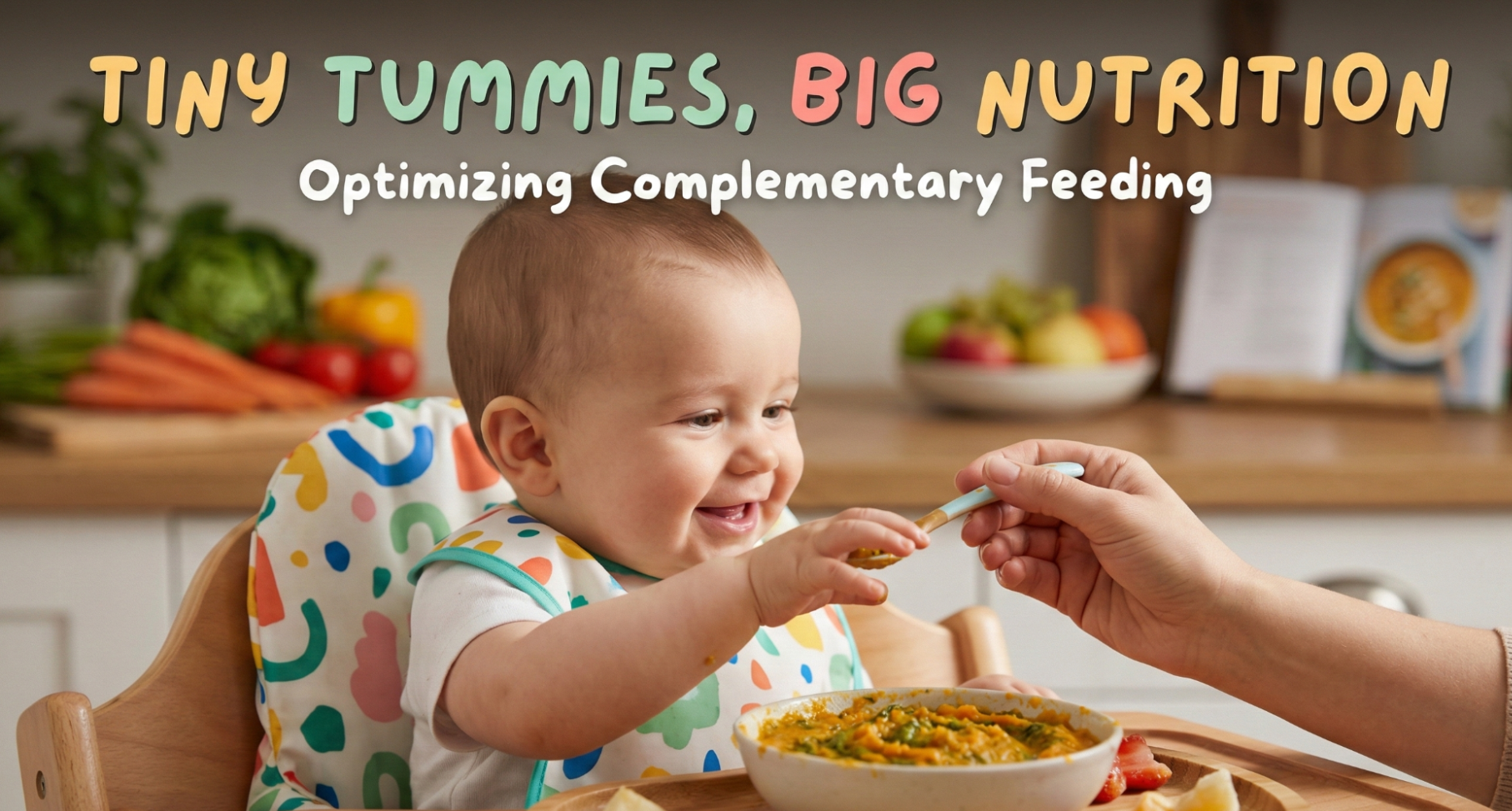
Importance of Nutrient-Dense Foods for Growing Infants
Infants have very small stomachs but extremely high nutritional needs during the first year of life, which means every bite of food they consume must be rich in essential nutrients. Offering nutrient-dense foods helps ensure they receive adequate amounts of iron, zinc, calcium, vitamin A, omega-3 fatty acids, choline, and high-quality protein. These nutrients play a vital role in supporting brain and cognitive development, strengthening the immune system, building healthy bones, and preventing common deficiencies such as anemia.
Key Nutrient-Dense Foods to Introduce
1. Iron-Rich Foods
Iron stores begin to decline after 6 months, making iron a priority nutrient. Offer:
Iron-fortified infant cereals
Mashed lentils, mung dal, or cooked beans
Pureed meat, chicken, liver, or fish
Soft cooked egg yolk
Pair iron foods with vitamin C-rich fruit purées for better absorption.
2. Protein-Rich Foods
Protein supports tissue growth and immunity. Options include:
Mashed pulses
Pureed chicken, fish, or paneer
Eggs (whole egg after 6 months)
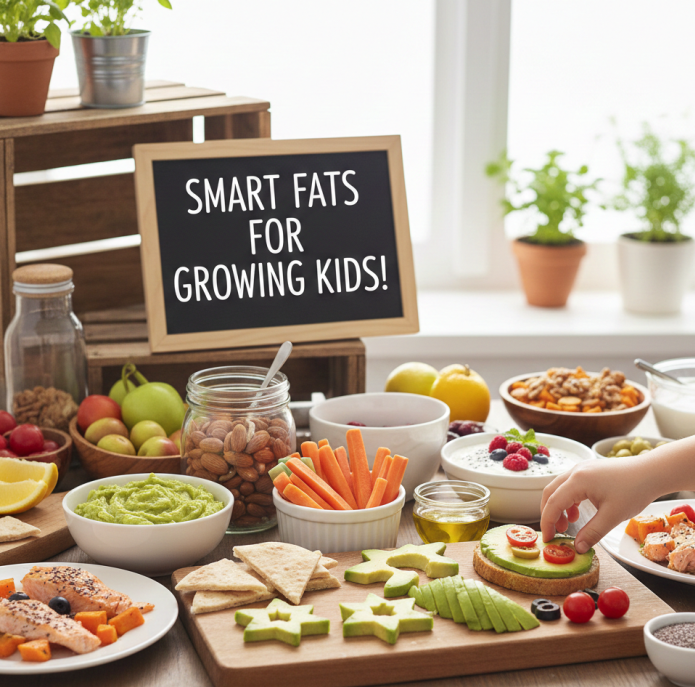
3. Healthy Fats
Fats are vital for brain development. Include:
Small amounts of ghee
Mashed avocado
Fine nut powders (almond/peanut)
Breast milk or formula
4. Vitamin A & Antioxidant-Rich Foods
For vision and immunity:
Pumpkin, carrots, sweet potatoes
Pureed leafy greens
Mango, papaya, banana
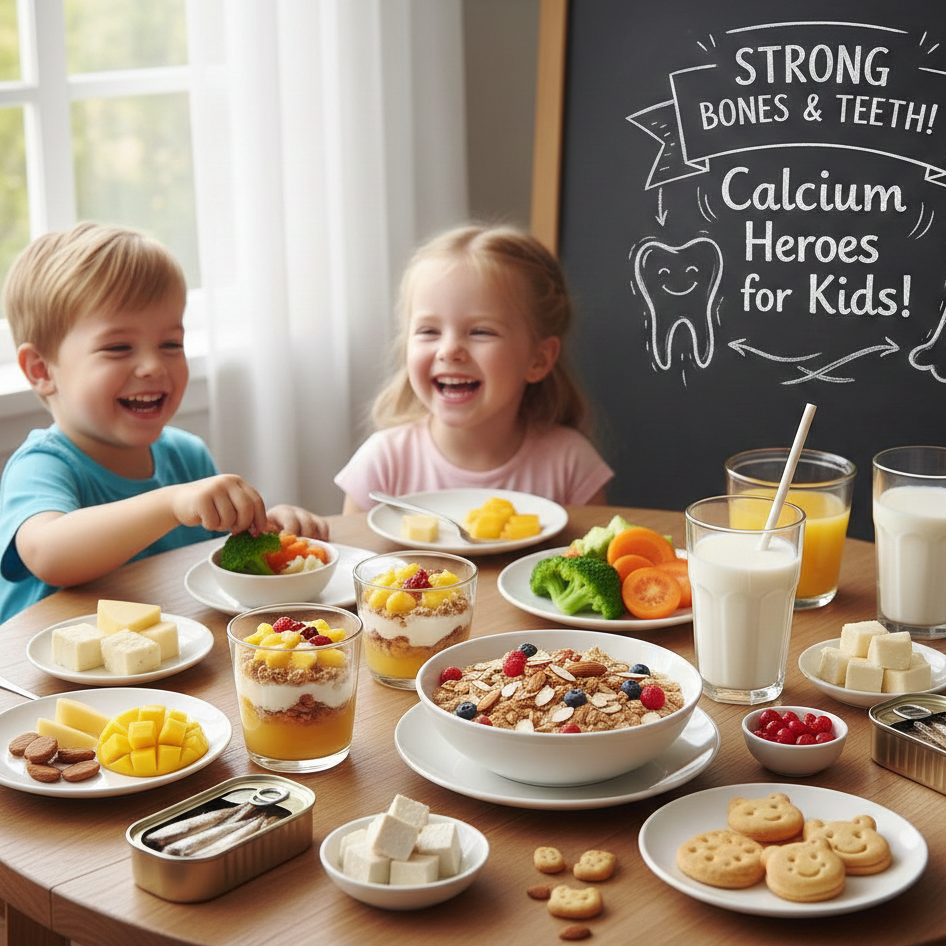
5. Calcium-Rich Foods
For bones and teeth:
Unsweetened curd
Soft paneer
Ragi porridge
6. Omega-3 & Choline Sources
For brain development:
Egg yolk
Boneless cooked fish
Small amounts of flaxseed powder
What is the ideal meal frequency for a 6–12 months old baby?
Between 6–8 months, babies need 2–3 meals per day plus breast milk. After 9 months, this increases to 3–4 meals plus 1–2 healthy snacks. Small, frequent meals ensure they meet their increasing energy and nutrient requirements despite small stomach capacity.
Why do infants need nutrient-dense foods instead of regular family foods?
Infants have tiny stomachs but high nutrient needs. Regular family foods are often low in iron, protein, and healthy fats. Nutrient-dense foods ensure that even small portions deliver essential nutrients for brain development, immunity, and preventing anemia or growth delays.
How can parents ensure their baby accepts new foods during complementary feeding?
Babies may initially reject new textures or flavors, but repeated exposure helps. Offering the same food 8–10 times on different days, mixing new foods with familiar ones, and creating a calm, pressure-free feeding environment increases acceptance. Babies learn through exploration—allowing them to touch, mash, and self-feed boosts interest and long-term healthy eating habits.
Should parents introduce one food at a time or offer mixed foods?
Introducing one food at a time helps identify any allergies or intolerances. Once the baby tolerates individual foods well, parents can offer simple mixed foods like dal–rice mash or vegetable khichdi. This approach helps babies experience different tastes while ensuring safety.
The Bottom Line
Complementary feeding is more than just adding solids—it sets the foundation for lifelong nutrition. Providing nutrient-dense, age-appropriate foods supports healthy growth, boosts brain development, and shapes positive eating behaviors from the very beginning.
Dytoclick is an innovative software designed specifically for dietitians, helping them create personalized nutrition plans and efficiently manage client progress. Along with its practical tools, Dytoclick also serves as a reliable knowledge platform, offering expert content on diet, nutrition, and health-related topics. By combining technology with education, Dytoclick empowers professionals to make informed dietary recommendations that support both physical and mental well-being.