In the age of personalized healthcare, nutrition is evolving beyond generic meal plans and one-size-fits-all advice. Data-driven diets leverage biomarkers—measurable indicators of health—to create targeted, effective and sustainable nutrition strategies. By understanding what's happening inside the body, individuals and healthcare professionals can make smarter dietary choices that lead to better long-term outcomes.
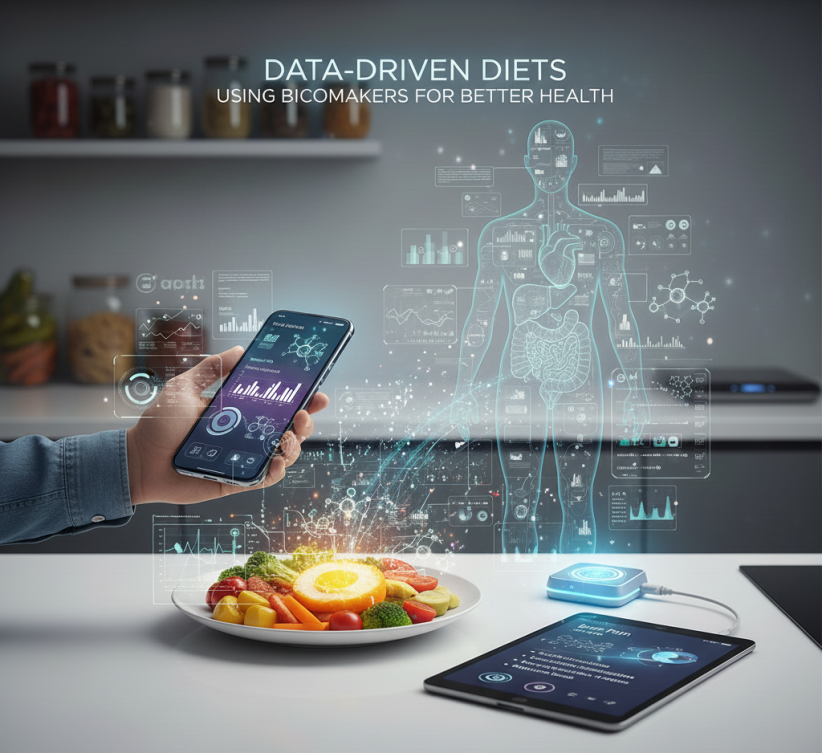
What Are Biomarkers?
Biomarkers are biological indicators found in blood, urine, saliva, or tissues that reflect the body's internal functioning. Common nutrition-related biomarkers include:
Blood glucose levels
Cholesterol and lipid profile
Hemoglobin and iron status
Vitamin and mineral levels
Hormones
Inflammatory markers
Gut microbiome composition
These markers provide valuable insight into how the body responds to food, stress, lifestyle, and environmental factors.
Why Biomarkers Matter in Nutrition Planning
Traditional diet plans often rely on general factors such as age, weight, or activity level. Biomarker-based nutrition goes a step further by uncovering the root causes of health concerns. This approach helps identify:
Nutrient deficiencies and excesses
Metabolic imbalances
Insulin resistance
Chronic inflammation
Dehydration levels
Organ function inefficiencies
Instead of just addressing symptoms like fatigue or weight gain, data-driven diets focus on correcting the underlying issues.
Personalization through Health Data
Every individual processes nutrients differently. What works for one person may not work for another. Biomarker-guided nutrition enables true personalization by offering:
Customized macronutrient distribution
Targeted micronutrient support
Personalized meal timing
Disease-specific dietary modifications
Adaptive plans that evolve with changing lab values
This approach ensures that diets are aligned with the body's actual needs rather than assumptions.
Role in Disease Prevention and Management
Data-driven diets are especially effective in preventing and managing chronic conditions such as diabetes, heart disease, PCOS, thyroid disorders, anemia, kidney disease, and digestive issues. Regular biomarker monitoring allows for early detection of imbalances and timely dietary interventions, reducing the risk of complications.
By addressing problems early, nutrition becomes a proactive health tool rather than a reactive one.
Better Compliance and Motivation
One of the biggest challenges in diet adherence is lack of visible progress. Biomarker-based feedback provides tangible proof of improvement, such as better cholesterol levels or stabilized blood sugar. This:
Builds trust in the nutrition plan
Increases motivation
Encourages consistency
Helps refine food choices
When people see measurable results, they are more likely to stick to their plans.
How Technology Supports Data-Driven Nutrition
Advanced health technology and AI-powered platforms play a crucial role in analyzing complex biomarker data. These tools help:
Track trends over time
Detect patterns
Suggest adaptive diet plans
Integrate lab reports with lifestyle data
Deliver real-time insights
This makes personalized nutrition more scalable, efficient, and accurate for both individuals and professionals.
The Future of Nutrition Is Precision-Based
The future lies in precision nutrition, where every dietary recommendation is backed by data. With continuous monitoring, smart wearables, and advanced analytics, nutrition will become more predictive, preventive, and performance-focused.
What is a data-driven diet?
A data-driven diet is a personalized nutrition approach that uses health data—such as blood reports, biomarkers, genetic information, and lifestyle metrics—to create tailored meal plans. Instead of general recommendations, it focuses on what your body specifically needs for optimal health.
Which biomarkers are most commonly used in nutrition planning?
Common nutrition-related biomarkers include blood sugar levels, lipid profile (cholesterol), hemoglobin, vitamin D, B12, iron levels, inflammatory markers, thyroid hormones, and gut health indicators. These help assess metabolism, nutrient status, and overall wellness.
How often should biomarkers be tested for diet adjustments?
This depends on individual health goals and medical conditions. Generally, testing every 3 to 6 months is recommended for tracking progress, identifying trends, and fine-tuning nutrition plans. People with chronic conditions may need more frequent monitoring.
Can data-driven diets help with weight loss and chronic diseases?
Yes. Data-driven diets are highly effective for weight management and conditions like diabetes, heart disease, PCOS, thyroid disorders, anemia, and digestive issues. By addressing the root cause of imbalances, they promote sustainable results rather than temporary fixes.
Do I need special technology to follow a data-driven diet?
While basic blood tests can provide valuable insights, advanced tools and AI-based platforms enhance the process by analyzing trends, generating personalized recommendations, and tracking progress over time. These technologies make nutrition more precise, efficient, and adaptable.
Data-driven diets mark a transformative shift toward personalized, precise, and preventive nutrition care. By using biomarkers, individuals and professionals can make smarter, evidence-based dietary decisions that improve long-term health outcomes. Platforms like Dytoclick enhance this approach by enabling dietitians to create customized nutrition plans, track client progress, and access reliable expert knowledge—all in one place. By combining technology with education, Dytoclick empowers professionals to deliver informed, holistic nutrition support that benefits both physical and mental well-being.