In the world of health and nutrition, new diets and superfoods keep making headlines. But sometimes, the most powerful secret to good health is something far simpler fiber. Often overlooked, fiber isn't a trend or a fancy supplement. It's a natural part of plant-based foods that has been quietly supporting human health for generations.
From smoother digestion to a stronger heart, fiber plays an incredible role in keeping us healthy and energized.
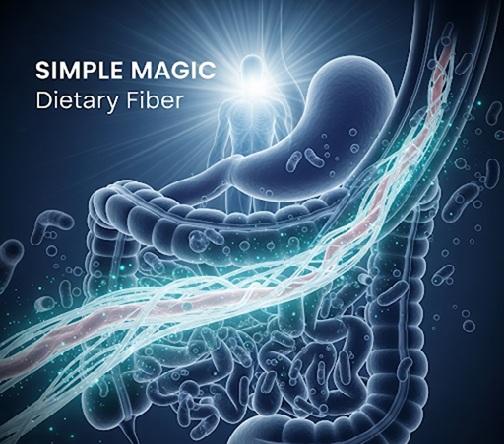
Why Fiber Deserves a Place on Your Plate
Fiber is unique because it's the part of food that your body can't fully digest. Instead of being broken down like other nutrients, it travels through your system, helping everything move along more smoothly. But its benefits go far beyond digestion.
Here's what fiber does for you:
Simply put, fiber is like a silent partner in your health journey, making a big difference without demanding much attention.
The Two Types of Fiber – and Why You Need Both
Fiber isn't just one thing; it comes in two main types:
When both types of fiber are part of your diet, you get the full package of benefits.
Everyday Benefits You'll Notice
Adding more fiber to your meals can bring results you'll actually feel:
And over time, fiber also helps lower the risk of serious health concerns like heart disease, diabetes, gallstones, and colon problems.
Finding Fiber in Your Daily Diet
The best part? Fiber isn't hard to find. You don't need expensive powders or supplements—just everyday foods:
Start small, and build up gradually. Pair it with enough water, and your body will thank you.
A Word of Balance
Too much fiber too quickly can cause bloating or gas, and it may reduce how well your body absorbs certain minerals. The trick is balance—slowly increase your intake and mix different sources for the best results.
Final Thoughts
Fiber may not sound exciting, but it's one of the most powerful tools for long-term health. By simply adding more fiber-rich foods to your diet, you're investing in a stronger heart, smoother digestion, balanced energy, and a healthier life overall.