Obesity is a complex, multi-factorial chronic condition that has been formed utilizing the interactive influence of several factors- social, behavioural, psychological, metabolic, cellular, and molecular.
Wanting food and drive to eat, satiety food choice, digestibility of the food eaten, absorption in the body, metabolism of nutrients, as well as level and mood of exercises, all become factors in determining body weight.
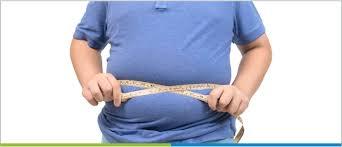
Dietary Guidelines
Limit the total food intake. Make a note of all food intake of the obese individual over the day. This should include snacks, possibly termed as biscuits, salt, sweets, toffees, or chocolates. Using food composition tables calculate the total energy intake and then compare it with the RDIs to find how much energy needs to be restricted for weight loss. Consult an experienced dietitian or doctor for an effective plan.
Remember, gradual reduction in energy should be emphasized, and it should start with a 200-300 kcal reduction/day. Start by cutting out those high-energy snacks while serving smaller, more regular meals to avoid overcompensating for energy intake during meals. Avoid eating when in front of the television or reading.
Make sure to avoid visible fats. Ghee, butter, and hydrogenated fats contain saturated fats and cholesterol, which increase the incidence of heart disease and diabetes. Fatty foods include meat, cakes, pastries, fried snacks, nuts, and oilseeds.
Include protein-rich foods such as milk (toned or whole milk, with cream removed), pulses, lean meat, chicken, and fish in higher amounts. Leafy vegetables and yellow/orange fruits provide essential protective and regulatory nutrients, while fiber-rich foods such as whole cereals, pulses, and fibrous fruits and vegetables provide faster satiety with a lower caloric value.
Besides engaging in dietary modifications, a major treatment for obesity includes being involved in physical exercise and psychological support.
Foods to be included
Incorporating healthy and nutritious foods into your diet plan contributes to your weight loss goals. Here is a list of foods you should consider including in your obese diet plan:
Oatmeal
Breakfast should be oatmeal because it is rich in fiber and protein, while low in sugar. It keeps your hunger pangs away for some time and might prevent you from overeating.
Pulses
Lentils, chickpeas, beans, and peas provide fiber and protein and keep one full for a longer time, thereby preventing needless snacking.
Cruciferous veggies
All these are good as they keep you full for fewer calories and are fibrous: cabbage, broccoli, Brussels sprouts, and cauliflower.
Berries
Blackberries and raspberries are rich in fiber and can fit well into your everyday life; just toss some into your oatmeal, salads, and smoothies.
Nuts
Almonds are good for weight loss, providing adequate protein and fiber. About 50 grams a day of nuts can help reduce weight and even bring about other health benefits.
Eggs
Eating eggs for breakfast can help in weight loss since they are rich in protein and tend to keep one satiated longer.
Avocados
Eating fresh avocado is helpful for weight loss because it contains a good amount of fiber and healthy fats.
Leafy green vegetables
Spinach, kale, fenugreek, collard greens, mustard leaves, and drumstick leaves are good sources of fiber and essential nutrients that promote weight loss.
Fatty fish
Salmon, tuna, cod, sardines, and halibut provide omega-3 fatty acids and protein, which help in the process of weight loss.
Whole grains
Replace your regular source of carbohydrate with a healthy whole-grain alternative like quinoa, brown rice, or oats, as they are packed with protein and fiber, which promote weight loss.
Dark chocolate
For weight loss benefits, snack on a treat of dark chocolate with the least amount of sugar added.
Soups
A bowl of homemade lentil and vegetable soup gives you the right nutrients, keeps you relatively full, and, thus, prevents you from eating too much.
Include these healthy and nutritious foods in your diet, and you will be losing weight sooner than you can think.
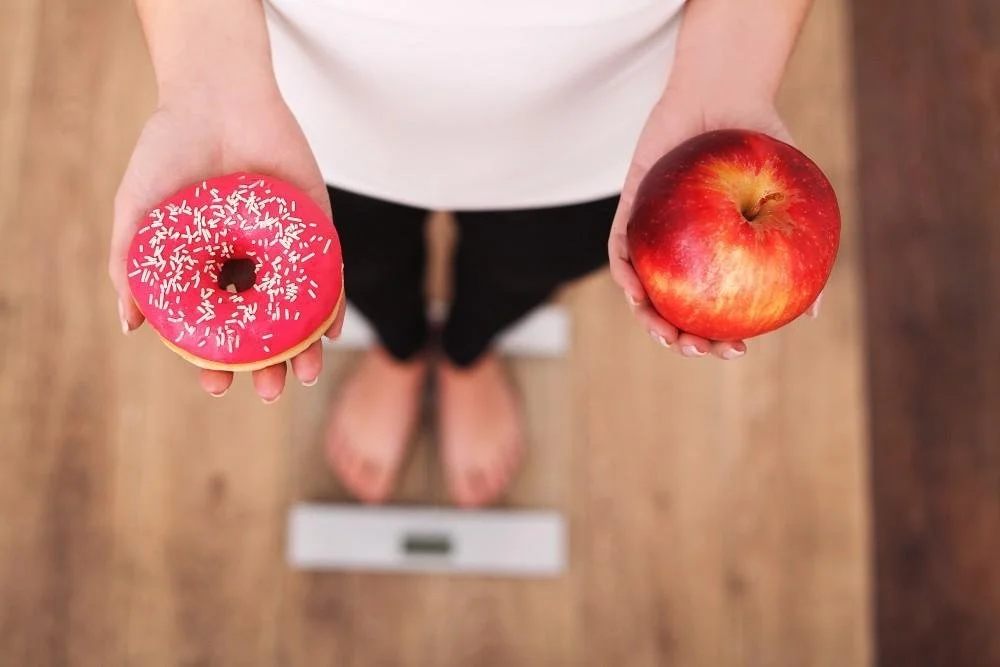
Foods to be avoided
Certain foods must be shunned when attempting to lose weight, as they might be detrimental to your weight loss endeavor and your health. Foods to avoid for obesity management include:
Milk Chocolate
One can have all the temptation in the world, but milk chocolate is loaded with sugars and processed ingredients that will surely come in the way of your weight loss efforts. Refrain from eating milk chocolate while on an obesity management diet.
White Bread
White bread is a high-GI bakery item and causes a spike in blood glucose levels. It takes longer to digest, so limiting or avoiding its consumption is best in times of fighting obesity.
Spreads and Jams
Usually, these would have a piping hot batch of sugar and preservatives that make gaining weight and high blood glucose levels the easy and obvious outcome. Limit or avoid these tempting condiments in an obesity management diet.
Junk Food
Junk food isn't just unhealthy; it's also loaded with calories. If you indulge too often or go overboard, you might find yourself gaining weight and facing a higher risk of heart disease. So, when you're on a structured diet to tackle obesity, it's best to steer clear of junk food.
Processed Meat
Processed meats are calorie-dense and can lead to weight gain. If you're working on managing your weight, it's wise to avoid these.
Frozen Meals
Frozen meals are contain saturated fats which is unhealthy and bring more calories than you require. They are typically high in sodium, which is not good for your health.
Candies
Candies are low in nutrients but rich in calories and full of sugar and unhealthy oils. If you're craving something sweet, have a handful of nuts or a slice of fresh fruit instead.
Sugary Beverages
Flavored drinks, like fizzy sodas, are brimming with sugar and can really add up in calories. If you're trying to reduce some pounds and get fit, it's best to skip these sugary drinks.
Ice Cream
This yummy dessert is loaded with cream and sugar, so it's not the best option if you're attempting to reduce some unwanted pounds. You're better off restricting or avoiding ice cream when you're on a weight loss diet.
Conclusion
Effective obesity management requires a healthy eating habits, nutrient-rich food choices, and consistent physical activity. gradual calorie reduction, increasing fiber and lean protein intake, and avoiding processed and high-sugar contain foods. A well-balanced, personalized diet, supported by professional guidance, is key to overcoming obesity and improving long-term health outcomes.