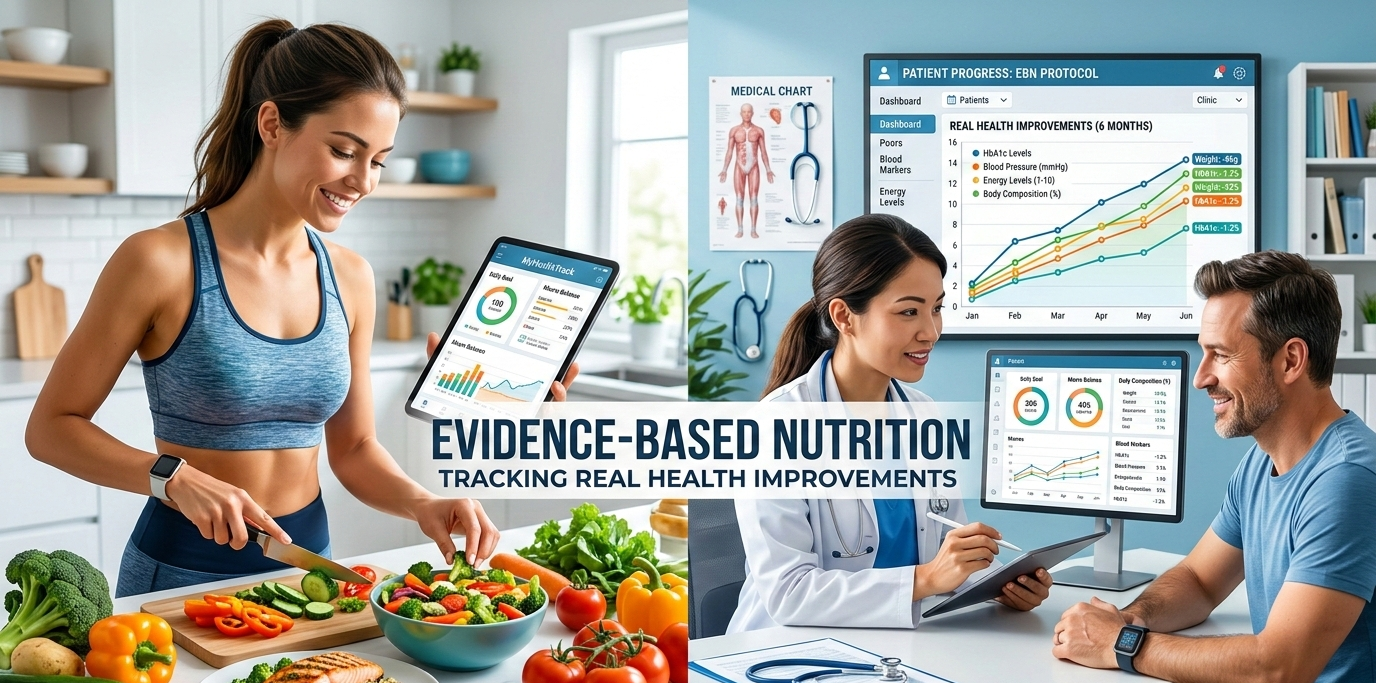
In modern dietetics, success is no longer defined simply by prescribing a diet plan. The real measure of effective nutrition care lies in tangible outcomes—improvements in health markers, patient behavior, and long-term sustainability. Outcome-based nutrition focuses on tracking measurable results rather than relying on assumptions or short-term diet compliance.
Below are the key elements that define outcome-based nutrition practice.
1. Focus on Measurable Health Outcomes
The first step is identifying clear and measurable goals for every client. Instead of vague objectives like "eat healthier," outcome-based nutrition emphasizes specific targets such as:
Reduction in HbA1c for diabetes management
Improved lipid profile (LDL, HDL, triglycerides)
Healthy weight or body fat reduction
Improved micronutrient levels
Better digestion and metabolic markers
These outcomes provide concrete evidence that nutrition therapy is working.
2. Use of Clinical and Biochemical Markers
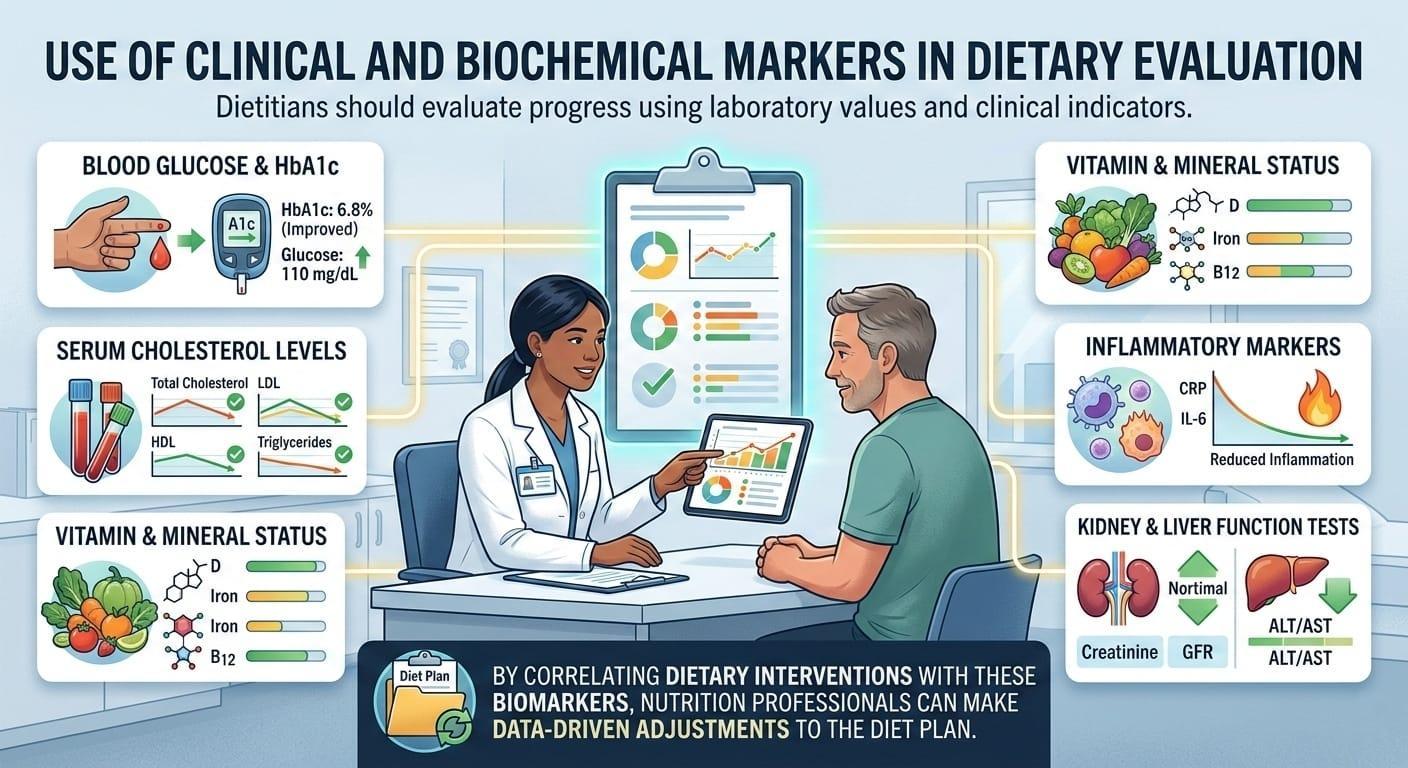
Dietitians should evaluate progress using laboratory values and clinical indicators, such as:
Blood glucose and HbA1c
Serum cholesterol levels
Vitamin and mineral status
Inflammatory markers
Kidney and liver function tests
By correlating dietary interventions with these biomarkers, nutrition professionals can make data-driven adjustments to the diet plan.
3. Tracking Behavioral Changes
Health outcomes depend not only on nutrients but also on consistent lifestyle habits. Tracking behavioral progress helps ensure long-term success. Important behavioral indicators include:
Meal adherence and portion control
Water intake consistency
Physical activity levels
Sleep quality
Stress management practices
Monitoring these habits allows dietitians to identify barriers and provide targeted coaching.
4. Personalized Monitoring and Feedback
Outcome-based nutrition requires continuous monitoring and feedback. Instead of waiting for months, professionals should review progress regularly through:
Weekly or biweekly progress tracking
Food and activity logs
Digital health apps or dashboards
Periodic body composition analysis
Frequent evaluation helps make timely modifications and keeps clients motivated.
5. Patient-Centered Success Metrics
Every individual has different health priorities. For some, success may mean better blood sugar control, while for others it could be improved energy levels, digestion, or hormonal balance.
Therefore, outcome-based nutrition integrates:
Clinical improvements
Quality of life changes
Sustainable dietary habits
Long-term disease risk reduction
This ensures the nutrition plan aligns with the patient's personal health goals.
6. Improving Retention and Long-Term Results
When clients can see measurable improvements, their trust in the nutrition program increases. Documented outcomes help:
Strengthen patient motivation credibility
Demonstrate the real impact of nutrition therapy
This approach also helps dietitians
Improve compliance with diet plans
Enhance professional
Showcase the value of evidence-based practice.
1. What is outcome-based nutrition?
Outcome-based nutrition is an approach where diet plans are evaluated based on measurable health improvements such as changes in biomarkers, weight management, symptom relief, and long-term lifestyle adherence rather than just diet compliance.
2. Why are biomarkers important in nutrition monitoring?
Biomarkers like HbA1c, cholesterol levels, vitamin status, and inflammatory markers provide objective data to assess whether a nutrition intervention is improving a patient's health.
3. How often should nutrition outcomes be evaluated?
Progress should ideally be reviewed every 2–4 weeks through diet logs, body composition analysis, and lifestyle tracking, while biochemical markers can be reassessed every few months depending on the condition.
4. How does outcome-based nutrition improve patient results?
By tracking measurable progress and adjusting diet plans accordingly, dietitians can provide personalized interventions that improve compliance, enhance motivation, and support sustainable long-term health outcomes.
The Bottom Line
Outcome-based nutrition shifts the focus from simply giving diet advice to demonstrating measurable health improvements. By tracking clinical markers, behavioral habits, and personalized goals, dietitians can deliver more effective and accountable care.
In today's data-driven healthcare environment, measuring what truly matters ensures that nutrition therapy produces real, sustainable health outcomes rather than temporary dietary changes.
Dytoclick is an innovative software designed specifically for dietitians, helping them create personalized nutrition plans and efficiently manage client progress. Along with its practical tools, Dytoclick also serves as a reliable knowledge platform, offering expert content on diet, nutrition, and health-related topics. By combining technology with education, Dytoclick empowers professionals to make informed dietary recommendations that support both physical and mental well-being.