Nutritional psychiatry has emerged as a transformative discipline that recognizes food as powerful medicine for mental health disorders. Dietitians are increasingly positioned at the forefront of this field, providing evidence-based interventions that complement traditional psychiatric treatments through the specialized practice of psychonutrition.
Understanding Psychonutrition
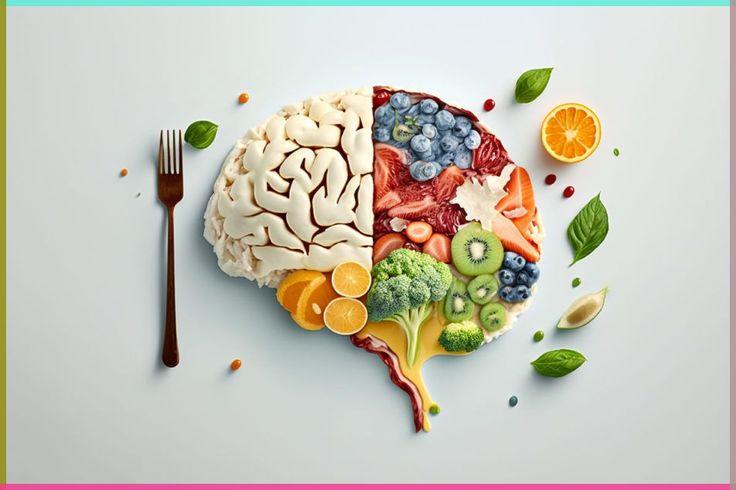
Psychonutrition represents the intersection of nutrition and psychology, focusing on how dietary patterns, individual nutrients, and gut microbiome health influence mental wellbeing. This approach recognizes that what we eat directly affects the structure and function of our brain and, ultimately, our mood. The discipline encompasses the study of dietary interventions for preventing and treating mental disorders, addressing both the biological mechanisms and psychological aspects of eating behaviors.
The Scientific Foundation
Research demonstrates compelling evidence for the food-mood connection. The gut-brain axis serves as a bidirectional communication pathway where gut microbiota influences brain function through immune, neuroendocrine, and vagal pathways. Approximately 90% of the body's serotonin, a key mood-regulating neurotransmitter, is produced in the gut where nutrients are processed. This biological connection explains why nutritional deficiencies in amino acids, vitamins, minerals, omega-3 fatty acids, and fiber have been linked to specific mental health disorders.
Clinical trials provide robust evidence for dietary interventions. The landmark SMILES study demonstrated that participants following a modified Mediterranean diet experienced significantly greater reduction in depressive symptoms compared to social support controls, with 32% achieving remission versus only 8% in the control group. Meta-analyses reveal that healthy dietary patterns are associated with a 23-33% lower risk of depression.
Evidence-Based Dietary Interventions
Mediterranean Diet
The Mediterranean diet shows the strongest evidence base for mental health benefits. This pattern emphasizes whole grains, vegetables, fruits, legumes, fish, olive oil, and nuts while limiting processed foods. Studies consistently demonstrate its effectiveness in reducing depression and anxiety symptoms, with improvements directly correlating to the degree of dietary adherence.
DASH Diet
The Dietary Approaches to Stop Hypertension (DASH) diet has shown significant benefits for mental health outcomes. Research indicates DASH interventions improve mood, reduce depression and anxiety scores, and enhance emotional regulation. The diet's emphasis on fruits, vegetables, low-fat dairy and reduced saturated fat appears particularly beneficial for stress management.
Psychobiotics and Fermented Foods
Probiotics that specifically affect brain health, termed "psychobiotics," represent a novel intervention approach. Fermented foods containing beneficial bacteria have been shown to alter brain activity and improve symptoms of stress, anxiety, and depression. Combined supplementation of psychobiotics with nutraceuticals may provide synergistic benefits for psychiatric conditions.
The Dietitian's Essential Role
Dietitians possess unique competencies that position them as indispensable members of mental health care teams. Their specialized skills include:
Clinical Assessment and Intervention: Dietitians can identify nutritional deficiencies, assess medication-nutrient interactions, and develop personalized dietary interventions that account for psychotropic medication side effects. They understand how mental health conditions affect eating behaviors and can address food insecurity and disordered eating patterns.
Holistic Treatment Integration: Mental health dietitians work collaboratively within multidisciplinary teams, using evidence-based techniques including motivational interviewing, behavior change strategies, and mindfulness approaches. They provide both individual and group interventions while considering social determinants of health.
Specialized Knowledge: These practitioners understand the complex interplay between nutrition, physical health, and mental wellbeing. They can address co-existing conditions like cardiovascular disease and diabetes, which are prevalent in psychiatric populations and contribute to the 10-16 year reduced life expectancy observed in individuals with mental illness.
Mechanisms of Action
Nutritional interventions operate through multiple pathways:
Neurotransmitter Production: Specific nutrients serve as precursors for mood-regulating chemicals. Tryptophan-rich foods support serotonin synthesis, while B vitamins and folate are essential for neurotransmitter metabolism.
Inflammation Reduction: Anti-inflammatory compounds in whole foods, particularly omega-3 fatty acids and polyphenols, help reduce neuro inflammation associated with depression and anxiety.
Microbiome Modulation: Prebiotic fibers and probiotic foods support beneficial gut bacteria, which produce metabolites like short-chain fatty acids that influence brain function.
Implementation in Clinical Practice
Despite growing evidence, integration of nutritional interventions in mental health care remains limited. Barriers include insufficient recognition of dietitians' roles, funding constraints, and limited training opportunities. However, successful implementation requires:
Routine Nutritional Screening: Systematic assessment of nutritional status should become standard practice in mental health settings, extending beyond malnutrition screening to include broader dietary patterns.
Professional Development: Enhanced training in psycho nutrition principles and mental health competencies enables dietitians to provide more effective interventions.
Policy Support: Healthcare systems must recognize nutrition as fundamental to mental health treatment and allocate appropriate resources for dietitian positions in psychiatric settings.
Future Directions
The field requires continued research to establish optimal dietary interventions for specific mental health conditions. Personalized nutrition approaches incorporating biomarkers, genomic profiles, and micro biome analysis represent the next frontier in psychonutrition. Additionally, studies examining the cost-effectiveness of nutritional interventions demonstrate their potential to reduce healthcare costs while improving patient outcomes.
Nutritional psychiatry offers immense promise as a complementary approach to traditional mental health treatments. Dietitians, with their specialized knowledge and skills, are uniquely positioned to lead this transformation in mental healthcare. By recognizing food as medicine and integrating evidence-based nutritional interventions, the healthcare system can provide more comprehensive, effective, and accessible mental health care that addresses the fundamental biological basis of psychiatric disorders through the powerful tool of nutrition.