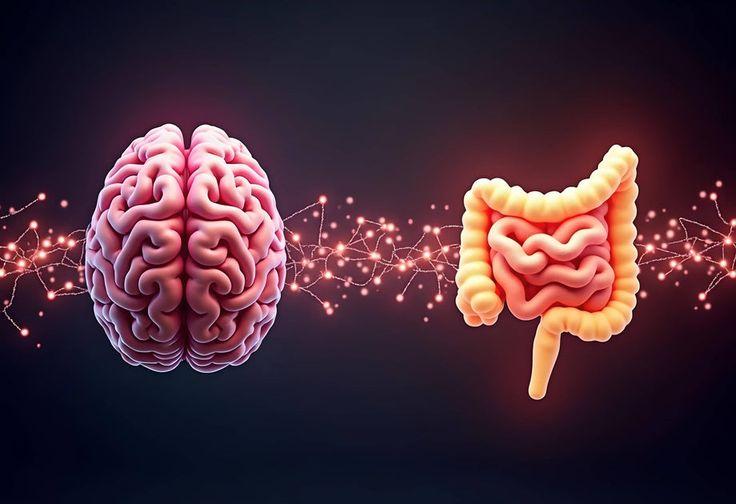
The relationship between our gut and brain represents one of the most fascinating frontiers in modern health science. This gut-brain axis operates as a sophisticated bidirectional communication network that directly influences mood, cognition, and overall mental well-being through multiple interconnected pathways.
The Science Behind Gut-Brain Communication
The gut-brain axis functions through four primary communication channels that work in concert to influence mental health. The vagus nerve serves as the primary highway, with 80-90% of its fibers carrying information from the gut to the brain. This neural pathway enables rapid communication between the gut microbiota and brain regions responsible for emotional regulation, including the hypothalamus, amygdala, and prefrontal cortex.
Beyond neural communication, gut bacteria produce an impressive array of neurotransmitters and metabolites that directly affect brain function. These microorganisms synthesize gamma-aminobutyric acid (GABA), dopamine, norepinephrine, and remarkably, up to 95% of the body's serotonin. The gut microbiota also generates short-chain fatty acids (SCFAs) through the fermentation of dietary fiber, which can cross the blood-brain barrier and influence neuronal activity.
Key Nutritional Pathways
Tryptophan Metabolism and Serotonin Production
Tryptophan, an essential amino acid obtained from diet, serves as the sole precursor to serotonin. The gut microbiota plays a crucial role in tryptophan metabolism, with certain bacterial strains like Lactobacillus and Bifidobacterium directly converting tryptophan to serotonin or enhancing its synthesis. Foods rich in tryptophan include turkey, eggs, cheese, salmon, nuts, and seeds.
The balance between serotonin production and alternative tryptophan pathways significantly impacts mood regulation. When beneficial gut bacteria are depleted, tryptophan may be diverted toward inflammatory pathways rather than serotonin synthesis, potentially contributing to depressive symptoms.
Short-Chain Fatty Acids and Brain Function
SCFAs, primarily acetate, propionate, and butyrate, emerge as critical mediators in the gut-brain axis. These metabolites, produced when beneficial bacteria ferment dietary fiber, possess potent anti-inflammatory properties and can directly influence brain function. Research demonstrates that decreased SCFA levels correlate with depressive symptoms, while adequate production supports emotional stability.
The mechanism involves SCFA binding to free fatty acid receptors on intestinal epithelial cells, triggering cascades that influence both local gut function and systemic neuroinflammation. Acetate, the most abundant SCFA in circulation, can cross the blood-brain barrier and directly activate hypothalamic neurons involved in satiety and mood regulation.
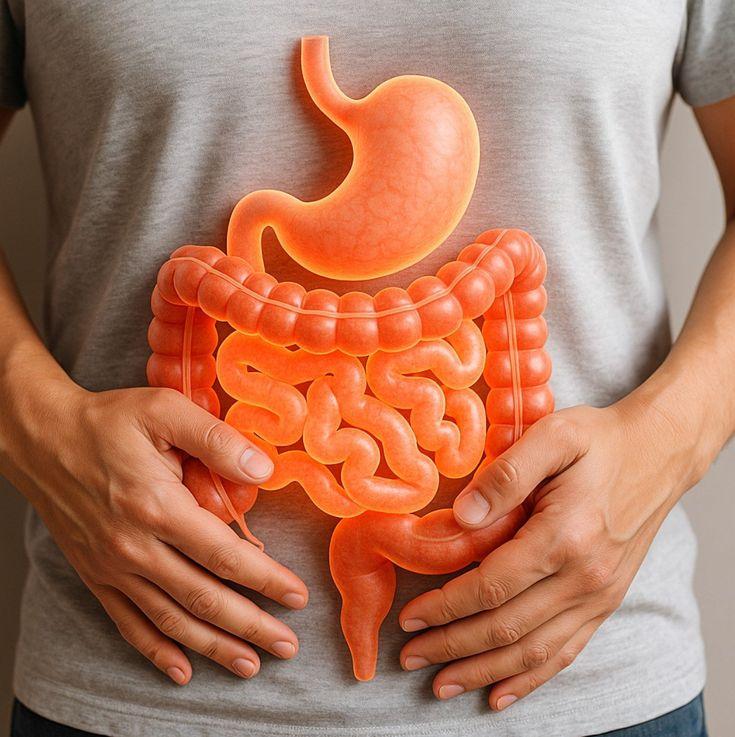
Dietary Strategies for Optimal Gut-Brain Health
Fiber-Rich Foods and Prebiotics
High-fiber foods serve as essential fuel for beneficial gut bacteria. Whole grains, fruits, vegetables, nuts, and seeds provide prebiotic fibers that selectively nourish beneficial microorganisms. Research indicates that prebiotic supplementation, particularly galactooligosaccharides, may help mitigate depressive symptoms by promoting SCFA production.
Fermented Foods and Probiotics
Fermented foods represent a direct pathway to introduce beneficial bacteria into the gut ecosystem. Yogurt, kefir, sauerkraut, kimchi, miso, and kombucha contain live cultures that can positively influence gut-brain communication. These foods have been shown to alter brain activity and support the production of mood-regulating neurotransmitters.
Omega-3 Fatty Acids
Omega-3 fatty acids, particularly those found in fatty fish, play a dual role in gut-brain health. These essential fats not only support brain structure and function but also promote the growth of beneficial gut bacteria while reducing inflammation throughout the body.
Polyphenol-Rich Foods
Plant compounds called polyphenols, found in cocoa, green tea, olive oil, coffee, and colorful fruits and vegetables, serve as both antioxidants and prebiotic compounds. These molecules are metabolized by gut bacteria into bioactive compounds that can enhance cognitive function and support mood stability.
The Impact of Diet Quality on Mental Health
Research consistently demonstrates that diet quality directly correlates with mental health outcomes. Studies show that higher consumption of healthy fats and proteins associates with reduced anxiety and depression, while excessive carbohydrate intake, particularly refined carbohydrates, correlates with increased stress and mood disturbances.
The Mediterranean diet, characterized by high fiber intake, omega-3 fatty acids, and polyphenol-rich foods, emerges as particularly beneficial for gut-brain health. This dietary pattern supports microbial diversity while providing essential nutrients for optimal neurotransmitter production and brain function.
Clinical Implications and Future Directions
The gut-brain axis represents a paradigm shift in understanding mental health, moving beyond the brain-centric model to recognize the gut as a "second brain". This emerging field of nutritional psychiatry offers promising therapeutic avenues for conditions including depression, anxiety, and cognitive decline.
Current research investigates personalized nutrition approaches based on individual microbiome profiles, potentially revolutionizing mental health treatment. While promising results emerge from clinical studies, researchers emphasize the need for larger, controlled trials to establish definitive therapeutic protocols.
The evidence overwhelmingly supports the critical role of nutrition in gut-brain communication, demonstrating that dietary choices profoundly influence mental and cognitive health through complex microbiological, neurochemical, and immunological mechanisms.