A high protein diet plan emphasizes protein-rich foods to support muscle maintenance, enhance satiety, and help with weight management or specific health goals. Typically, around 25–30% of daily calories come from protein—translating to approximately 1.2–1.5 grams of protein per kilogram of body weight each day for most adults. Such diets can be adapted for weight loss, muscle building, or general well-being.
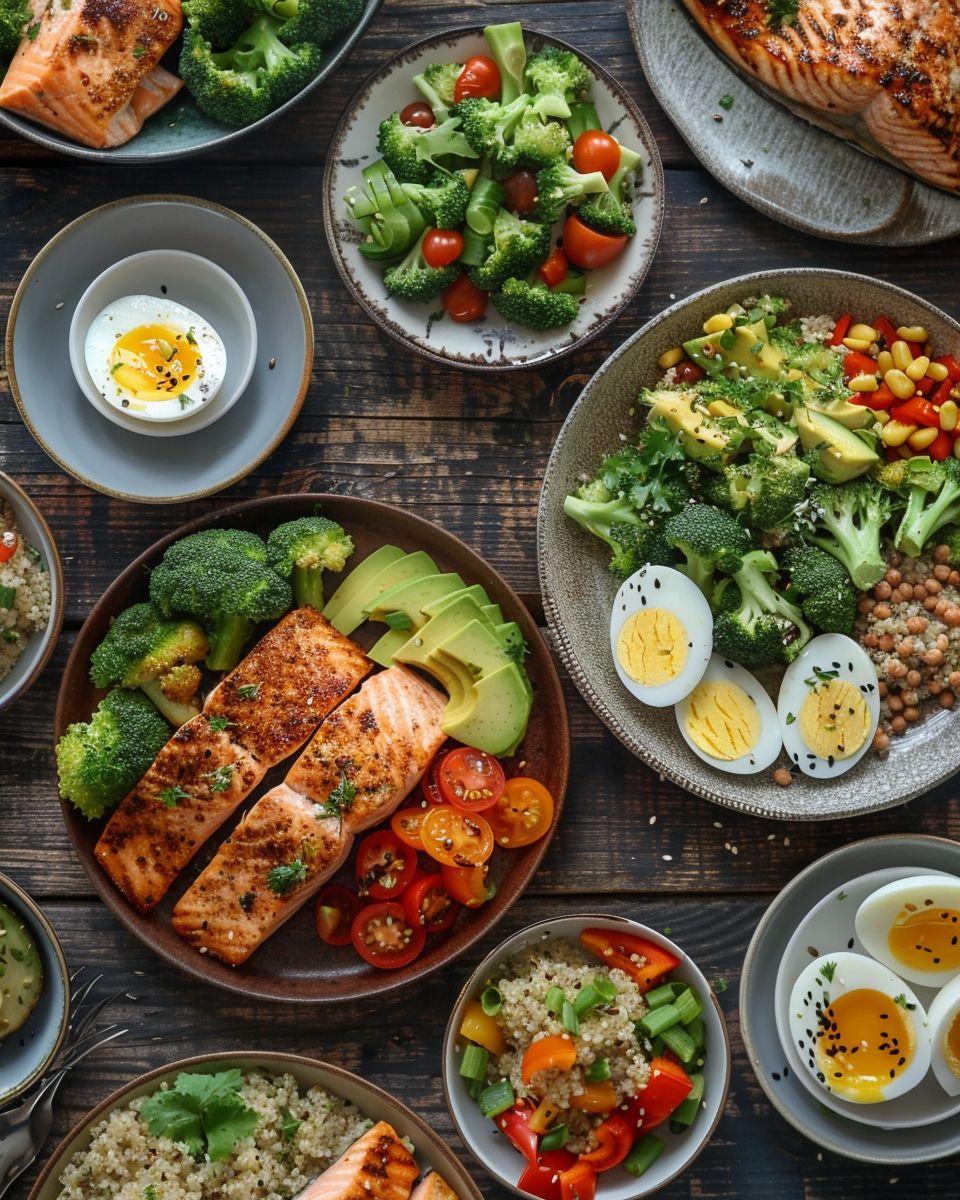
Core Components of High Protein Diets
Sample High Protein Diet Plan
A simple high protein daily meal structure could include:
A vegetarian example: moong dal cheela with curd for breakfast, lentil salad at lunch, and paneer bhurji for dinner, alongside nuts or seeds as snacks.
Key Guidelines
Potential Risks
A very high protein diet (over 20% of caloric intake from protein) may stress the kidneys or cause nutrient imbalances if not planned carefully—especially for those with preexisting health conditions. A balanced approach, ensuring sufficient fruits, vegetables, and whole grains, is essential for long-term health.
A well-structured high protein diet plan can be tailored to various lifestyles, offering flexibility for vegetarians, vegans, and non-vegetarians, while supporting satiety, muscle health, and metabolic function.