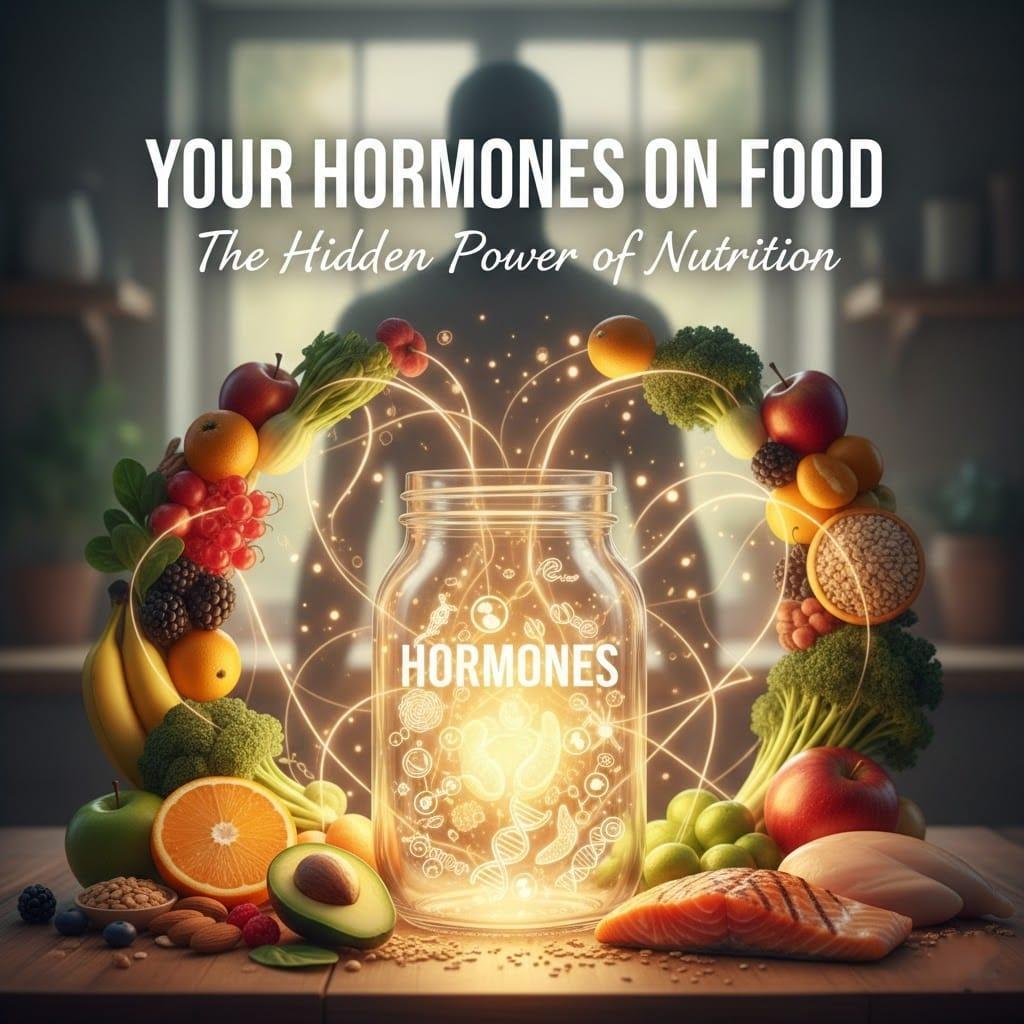
Food is fuel — but it's also a conversation with your hormones. What you eat (and when) sends chemical signals that shape appetite, mood, metabolism, fertility, and stress responses. Below are clear, eye-catching points to help you harness nutrition for better hormonal balance.
1. Stabilize Blood Sugar → Calm Insulin & Cortisol
Protein, fibre, and low-GI carbs prevent blood sugar spikes that trigger excess insulin and stress hormones. Steady sugar levels mean fewer cravings, stable mood, and better long-term metabolic health.
2. Prioritize Protein → Support Hunger Hormones
Protein boosts satiety hormones and reduces ghrelin (your hunger signal). Including protein at every meal helps control appetite and maintain hormonal stability.
3. Healthy Fats = Hormone Building Blocks
Your body needs healthy fats to make cortisol, estrogen, testosterone, and progesterone. Include avocados, nuts, seeds, olive oil, and fatty fish to keep hormonal pathways functioning smoothly.
4. Fibre Supports Gut–Hormone Connection
Fibre feeds gut bacteria that help regulate estrogen, clear toxins, and improve insulin sensitivity. A fibre-rich plate = cleaner digestion + healthier hormones.
5. Phytoestrogens Bring Balance
Soy, flaxseed, and sesame contain natural plant estrogens that can smooth menopausal symptoms and support hormonal balance when used correctly.
6. Avoid Trans Fats & Excess Sugar
These disrupt insulin response, increase inflammation, and interfere with thyroid and reproductive hormones. Replace processed snacks with whole, nutrient-dense foods.

7. Meal Timing Matters
Your eating pattern influences your circadian rhythm — including cortisol, melatonin, and insulin cycles. Avoiding late-night eating improves sleep quality and metabolism.
8. Micronutrients: The Silent Hormone Helpers
Iodine, zinc, magnesium, vitamin D, and B vitamins are essential for thyroid health, neurotransmitter balance, and menstrual hormone regulation. Deficiencies can cause major hormonal symptoms.
9. Lifestyle Synergy
Nutrition only works fully when aligned with sleep, stress control, and physical activity. Chronic stress and poor sleep can negate the benefits of even the best diet.
How does the food we eat influence our overall hormonal balance and daily well-being?
Food directly communicates with your hormones — shaping appetite, mood, metabolism, energy, sleep, fertility, and stress response. Balanced meals rich in protein, fibre, healthy fats, colourful vegetables, and essential micronutrients help stabilize blood sugar, reduce inflammation, support gut health, and promote proper hormone production and clearance. In contrast, excess sugar, processed foods, and irregular eating patterns disrupt insulin, cortisol, estrogen, and thyroid hormones. Simply put, consistent, mindful food choices create long-term hormonal harmony, while poor dietary habits silently contribute to hormonal imbalance.
The Bottom Line
Your hormones are constantly responding to the foods you eat — every meal is an opportunity to restore balance or create disturbance. By choosing whole foods, stabilizing blood sugar, prioritizing healthy fats, and supporting your micronutrient needs, you can create smoother energy, better metabolic health, improved mood, and hormonal harmony. The true power of nutrition lies not in extreme restrictions but in consistent, everyday choices that work with your body's natural rhythms. Small shifts done daily lead to big hormonal transformations over time.
Dytoclick is innovative software designed specifically for dietitians, helping them create personalized nutrition plans and efficiently manage client progress. Along with its practical tools, Dytoclick also serves as a reliable knowledge platform, offering expert content on diet, nutrition, and health-related topics. By combining technology with education, Dytoclick empowers professionals to make informed dietary recommendations that support both physical and mental well-being.