Iodine is a critical trace mineral deemed an essential element for the health of the body. It is not produced in the body; to meet body demand, therefore, the nutrient must be provided through food or supplements. As iodine occurs naturally in some foods, it is also added to supplements, as well as in some salt seasonings. Iodine is necessary for the synthesis of thyroid hormones, namely, thyroxine and triiodothyronine.
Functions of Iodine
Synthesis of Thyroid Hormone
Iodine is necessary for the synthesis of thyroid hormones, namely, thyroxine and triiodothyronine.
Metabolic Regulation
The thyroid hormones mostly influenced by iodine, regulate metabolism, including digestion of food for energy, tissue growth and repair, and protein synthesis.
Growth and Development
Iodine deficiency during pregnancy and early life can impact the growth and development of any being.
Reproductive Wellness
Iodine is essential for the synthesis of sex hormones such as estrogen and progesterone, important for reproduction and fertility.
Brain Function
Iodine is required by the brain for proper functioning and intellectual development.
Cell Functioning
Iodine is responsible for the balancing of electrolytes in the body and coordinates the function of cells and organs.
It is of great importance to note that iodine is an essential nutrient, whereas both a deficiency and an excess of iodine can affect one's body negatively.
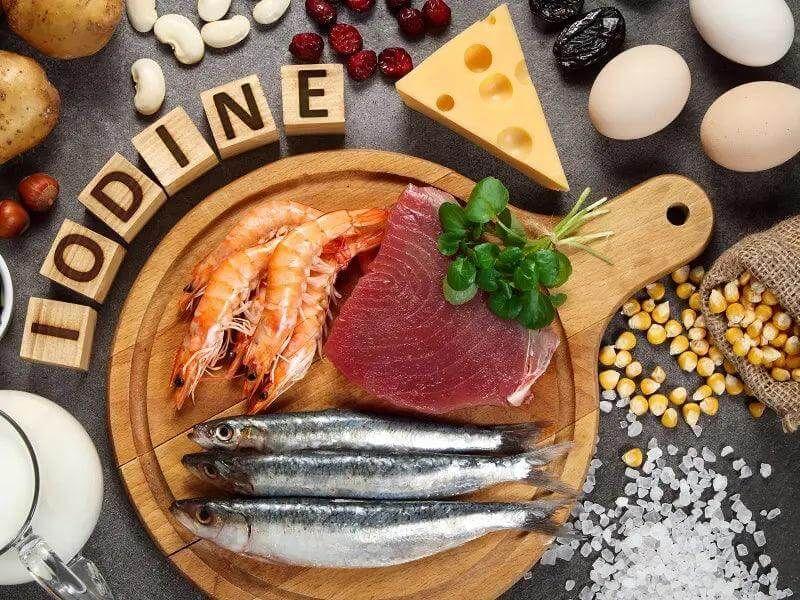
Some Common Sources of Iodine Are
Seafood: Seafood is, otherwise stated, one of the richest natural sources of iodine. Cod, tuna, shrimp, and seaweed (kelp) are examples of fish high in iodine.
Dairy Products: Milk, yogurt, and cheese provide iodine to people. If dairy cows are fed an iodine-rich feed or are given iodine supplements, their milk is supposed to have more iodine.
Eggs: Eggs can provide iodine, especially if the chickens are provided with iodine-enriched feed.
Iodized Salt: Iodized salt is one of those common iodine sources found everywhere. It is essentially normal table salt that has been fortified with iodine.
Some Fruits and Vegetables: Varied fruits and vegetables contain iodine drugs with the amount dependent on iodine content in the soil. They include strawberries, cranberries, potatoes, and some leafy greens.
Hence, iodine concentration in foods varies depending on the iodine concentration in the soil in which the plant has been grown or the animal has been raised.
A Few Key Points About Iodine Deficiency Are
Goiter
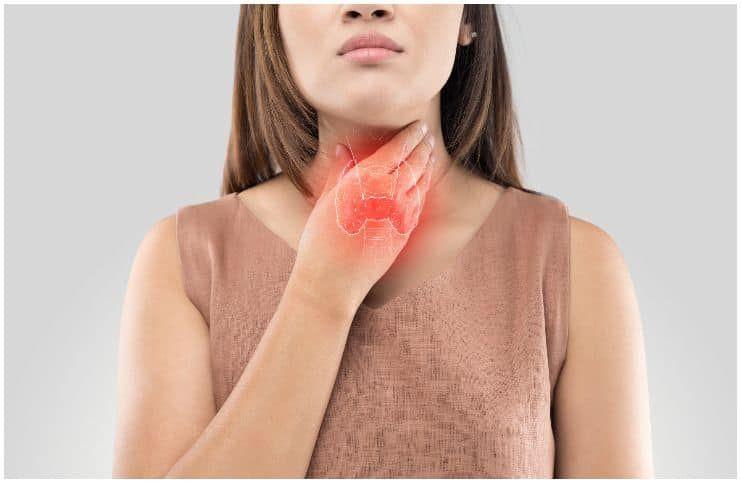
One of the most visible signs of iodine deficiency in the human body is a goiter, i.e., the enlargement of the thyroid gland. When iodine is insufficient in the body, this gland enlarges to try and produce more thyroid hormones.
Disruption of the Normal Functioning of the Thyroid Gland
Once iodine becomes insufficient, so is the production of these hormones, resulting in hypothyroidism.
Cognitive or Behavioral Challenges
Iodine deficiency during the growth period causes intellectual impairment, learning disabilities, and impaired motor skills in children.
Maternal Health Issues
Iodine deficiency during pregnancy will increase the risks of complications, such as miscarriage, stillbirth, preterm birth, and developmental anomalies in the fetus.
Iodine-Deficiency Disorder
When iodine deficiency is severe and persists for a long period, endemic goiter and cretinism appear in populations. Cretinism is a form of mental and physical impairment.
The main way to combat the problem of IDD is to provide iodine to the population. Fortification of food items and the incrementation of consumption of iodine-rich foods should be practiced in different parts of the world.