The ketogenic diet isn't just another trend—it's a metabolic shift that can help you lose fat, improve mental clarity, and stabilize energy levels. By changing the way your body fuels itself, keto offers sustainable weight loss without the need for constant calorie counting or carb cravings. Let's break it down.

What Is the Keto Diet and How Does It Work?
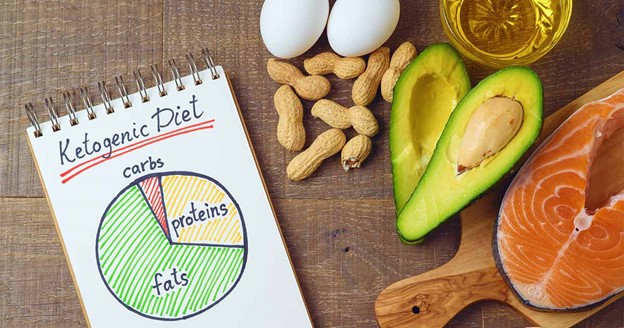
The ketogenic (keto) diet is a high-fat, low-carbohydrate way of eating that trains your body to burn fat for fuel instead of sugar. When you cut down on carbs, your liver begins converting fat into ketones—molecules that fuel your brain and muscles. This state is known as ketosis.
When your body enters ketosis, it no longer relies on glucose from carbs. Instead, it turns to stored fat, breaking it down into ketones for clean, efficient energy.
Why Keto Works Without Counting Calories
One of the most attractive benefits of keto is that it eliminates the need for calorie tracking. Because fat is more satiating than carbs, you naturally feel fuller and eat less. This helps regulate appetite, reduce cravings, and stabilize blood sugar levels throughout the day.
Ketosis also improves how your body handles insulin, which means fewer energy dips and more consistent mental focus.

How the Keto Diet Promotes Weight Loss and Health
To enter ketosis, most people consume fewer than 20 grams of net carbs per day. Once in ketosis, your metabolism shifts to burn fat as its main energy source, leading to several health improvements:
7 Science-Backed Benefits of Keto
1. Rapid, Sustainable Fat Loss
Keto helps shed fat quickly while preserving muscle mass, without needing to count every calorie.
2. Better Brain Function
Your brain runs more efficiently on ketones. Many people report enhanced memory, focus, and overall mental clarity.
3. Improved Heart Health
Studies show that keto can lower triglycerides, boost HDL (good cholesterol), and reduce inflammation—supporting long-term cardiovascular wellness.
4. Balanced Blood Sugar
Keto stabilizes blood sugar and insulin levels, making it helpful for people managing prediabetes or type 2 diabetes (under medical supervision).
5. Cancer Support Potential
Certain cancer cells thrive on glucose. Keto may help reduce glucose availability and potentially enhance cancer treatments in specific scenarios.
6. Hormonal Balance
Women with PCOS often see improvements in hormone balance, menstrual regularity, and fertility due to lower insulin levels.
7. Epilepsy Support
Research has shown that the ketogenic diet can cause significant reductions in seizures in epileptic children.
8. Long-Lasting Energy and Fewer Cravings
Ketones provide a steady fuel source, reducing energy crashes and emotional eating patterns.
What to Avoid on the Keto Diet
To stay in ketosis, it's essential to remove high-carb foods from your routine. Avoid:
What to Eat on Keto
Fuel your body with real, nutrient-dense, low-carb foods:
Proteins:
Fats:
Vegetables (mostly above-ground):
Nuts & Seeds (in moderation):
Flavorful and Fermented Foods:
Avocados:
How to Start Keto Without Overwhelm
Starting keto can be simple if you follow a plan:
Is Keto Right for Everyone?
Keto is safe for most people, but you should consult a healthcare provider if you:
Additionally, individuals with type 2 diabetes who are prescribed sodium-glucose cotransporter 2 (SGLT2) inhibitors should avoid the keto diet. This combination can elevate the risk of diabetic ketoacidosis, a serious condition where blood acidity increases dangerously.
Ongoing studies are still assessing the long-term safety of the ketogenic diet. Understanding both the therapeutic potential and possible risks of the ketogenic diet is key to providing balanced, personalized guidance for clients seeking sustainable health outcomes.