Healthy eating today is less about counting calories and more about finding a sustainable way to live well. Among the most popular choices, Keto, Paleo, and the Mediterranean diet take very different routes toward better health. Each one shapes how you eat, shop, and even socialize—so the best one depends on what fits your lifestyle.
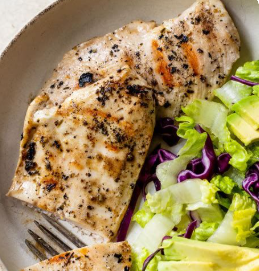
The Keto Diet: Fast Results, Strict Limits
If you're someone who loves structure and visible results, Keto might grab your attention. It's centered on very low carbs, moderate protein, and high fat to push your body into ketosis—a state where fat becomes your primary energy source.
What a day on Keto looks like:
Breakfast: Scrambled eggs with avocado
Lunch: Chicken salad with olive oil dressing
Dinner: Grilled salmon with spinach sautéed in butter
Key Benefits:
Rapid initial weight loss
Reduced cravings and steady energy levels
Can help control blood sugar
Challenges:
Very limited food options—no bread, pasta, or fruit
Social dining can be tricky
Possible nutrient deficiencies in vitamins and fiber
Keto is powerful for short-term goals but difficult to maintain long-term. If you love rich, fatty foods and don't mind planning ahead, it can work well—but flexibility is limited.
The Paleo Diet: Clean, Simple, and Natural
The Paleo diet invites you to eat like early humans—pure, unprocessed, and nature-made. That means meat, fish, fruits, vegetables, nuts, and seeds while skipping modern staples like grains, dairy, and legumes.
Typical Paleo Day:
Breakfast: Vegetable omelet with fruit
Lunch: Grilled chicken with roasted sweet potatoes
Dinner: Baked fish with a side of greens
Key Benefits:
Focuses on whole, nutrient-dense foods
Helps cut out processed sugars and additives
May improve digestion and energy levels
Challenges:
Restrictive if you enjoy dairy or grain-based foods
Can get expensive with organic or grass-fed options
Harder to follow when eating out or traveling
Paleo works best if you're drawn to simplicity and want to clean up your diet quickly. It's great for people who love home-cooked, wholesome meals but might feel tough in social settings.
The Mediterranean Diet: Balanced, Delicious, and Sustainable
The Mediterranean diet isn't really a "diet" at all—it's a way of life. Based on the eating habits of countries like Greece and Italy, it celebrates balance, moderation, and flavour. Nothing is entirely off-limits, making it one of the most practical and enjoyable long-term options.
Daily Mediterranean Favourites:
Breakfast: Whole-grain toast with olive oil and tomatoes
Lunch: Fresh salad with chickpeas, feta, and olive oil
Dinner: Grilled fish with a side of roasted vegetables and a drizzle of lemon
Key Benefits:
Proven to lower the risk of heart disease and stroke
Encourages healthy weight maintenance
Boosts brain health and reduces inflammation
Easy to adapt and enjoy socially
Why It's Easy to Stick With:
No strict restrictions
Focuses on natural, satisfying foods
Encourages shared, communal meals
Meals are colourful, satisfying, and full of variety. It's not about perfection—it's about balance. Because it allows flexibility, enjoyment, and social connection, it's often considered the most sustainable diet for real life.
Which One Fits Your Lifestyle?
Choosing the right diet depends on more than just health goals—it's about how you live day-to-day.
Choose Keto if you want rapid results and don't mind strict limits.
Go for Paleo if you're focused on clean, natural eating and food purity.
Embrace the Mediterranean diet if you crave balance, flavour, and long-term wellness.
Among the three, the Mediterranean approach stands out. It's supported by science, rooted in tradition, and most importantly, easy to enjoy. Eating smart isn't about extremes—it's about finding harmony between health, happiness, and the food you love.