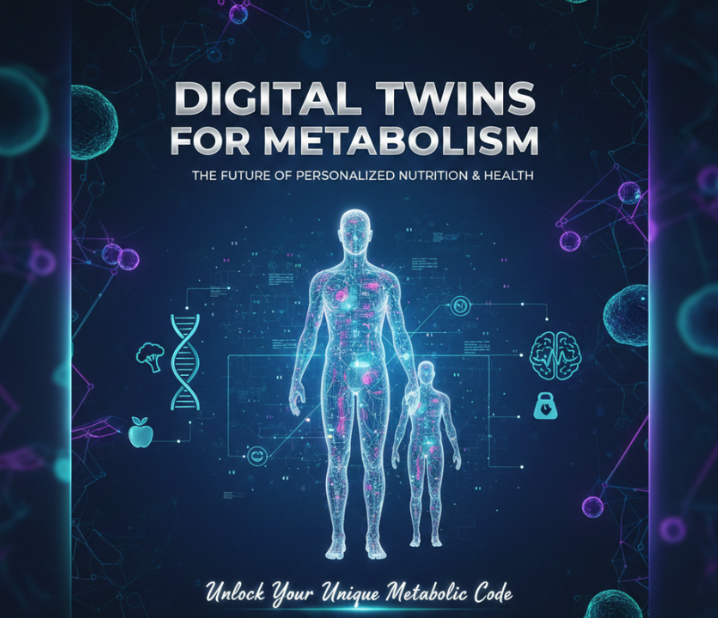
Imagine having a virtual replica of your metabolism—one that mirrors how your body processes food, responds to exercise, manages stress, and adapts to lifestyle changes. This is no longer science fiction. Digital Twins for Metabolism are emerging as a powerful tool at the intersection of nutrition science, data analytics, and artificial intelligence, redefining how we understand and manage metabolic health.
What Is a Metabolic Digital Twin?
A metabolic digital twin is a dynamic, data-driven virtual model of an individual's metabolic system. It integrates multiple data points such as biometric reports, continuous glucose monitoring (CGM), body composition, dietary intake, physical activity, sleep patterns, gut health markers, and even hormonal fluctuations. Unlike static health reports, this digital twin continuously evolves as new data flows in—learning, adapting, and predicting outcomes in real time.
In simple terms, it's a living simulation of your metabolism, designed to test "what-if" scenarios before real-world decisions are made.
How Digital Twins Work in Metabolism
The foundation of metabolic digital twins lies in AI and systems biology. Machine learning algorithms analyze longitudinal data to detect patterns, correlations, and cause–effect relationships. For example:
How does your blood glucose respond to the same meal on different days?
What metabolic shifts occur when sleep quality drops?
How does stress alter fat metabolism or insulin sensitivity?
By modeling these interactions, the digital twin can predict metabolic responses to specific foods, meal timings, exercise types, or supplementation strategies—before they are implemented.
Why Metabolism Needs Digital Twins
Metabolism is not linear. Two people eating the same diet can experience entirely different outcomes. Traditional diet plans often fail because they rely on population averages rather than individual biology.
Digital twins solve this by:
Capturing inter-individual variability
Accounting for biochemical report correlations (HbA1c, lipid profile, insulin, CRP, micronutrients)
Monitoring metabolic adaptability over time
This makes them especially valuable for managing complex conditions like diabetes, PCOS, obesity, metabolic syndrome, thyroid disorders, and cardiovascular risk.
Applications in Personalized Nutrition & Clinical Care
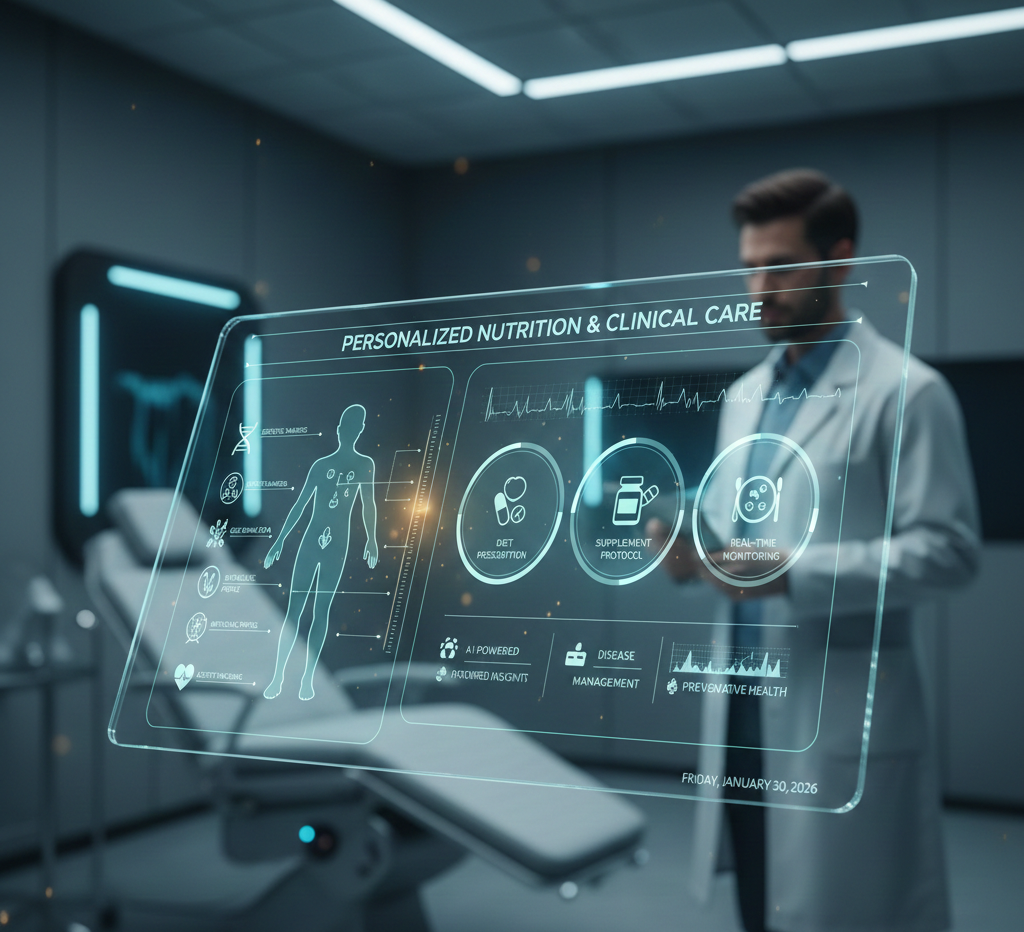
For dietitians, nutritionists, and clinicians, metabolic digital twins act as a clinical decision-support system. They help:
Design hyper-personalized meal plans
Predict postprandial glucose spikes
Optimize macro- and micronutrient distribution
Test dietary interventions virtually before prescribing
Improve patient adherence through visual, data-backed insights
For patients, this means fewer trial-and-error diets and more confidence in the plan they follow.
Digital Twins vs Wearables Alone
While wearables and health apps collect data, digital twins interpret and connect the dots. A CGM may show glucose spikes, but a digital twin explains why they occur and how to prevent them—considering sleep debt, meal composition, gut health, and hormonal patterns simultaneously.
In essence, wearables generate data; digital twins generate actionable intelligence.
Role in Preventive and Predictive Healthcare
One of the biggest strengths of metabolic digital twins is prediction. They can identify early metabolic dysregulation long before clinical symptoms appear. This enables:
Early lifestyle interventions
Prevention of disease progression
Reduced long-term healthcare costs
For preventive nutrition, this is a game changer.
The Future of Metabolic Digital Twins
As nutrigenomics, microbiome analytics, and real-time biomarker tracking advance, digital twins will become even more precise. The future points toward adaptive nutrition plans that update automatically, based on real-world metabolic feedback.
For digital health platforms and forward-thinking nutrition practices, metabolic digital twins are not just a trend—they are the next evolution of evidence-based, data-driven care.
What is a digital twin in metabolic health?
A digital twin in metabolic health is a virtual, data-driven model of an individual's metabolism that uses biomarkers, lifestyle data, and AI to simulate and predict how the body responds to food, activity, and lifestyle changes.
How are digital twins used in personalized nutrition planning?
Digital twins help nutrition professionals design personalized diet plans by predicting metabolic responses to meals, meal timing, exercise, and supplements—reducing trial and error and improving long-term outcomes.
Who can benefit most from metabolic digital twins?
Individuals with diabetes, PCOS, obesity, metabolic syndrome, thyroid disorders, or those seeking preventive health optimization benefit the most from metabolic digital twin technology.
How is a digital twin different from wearable health tracking apps?
Wearables collect health data, while digital twins analyze, integrate, and predict metabolic outcomes—turning raw data into actionable, personalized nutrition and lifestyle insights.
Digital Twins for Metabolism represent a shift from reactive nutrition to predictive, personalized metabolic management. They empower professionals to deliver smarter interventions and individuals to truly understand their bodies—one data point at a time.
Dytoclick is an innovative software designed specifically for dietitians, helping them create personalized nutrition plans and efficiently manage client progress. Along with its practical tools, Dytoclick also serves as a reliable knowledge platform, offering expert content on diet, nutrition, and health-related topics. By combining technology with education, Dytoclick empowers professionals to make informed dietary recommendations that support both physical and mental well-being.