The Myth
The belief: All high-fat foods are inherently unhealthy and cause weight gain, heart disease, and metabolic complications.
This persistent misconception emerged from the mid-twentieth-century "diet-heart hypothesis" and has shaped dietary guidelines for decades. However, contemporary evidence reveals a more nuanced picture. The issue lies not in fat itself, but in the type and quality of fat consumed.
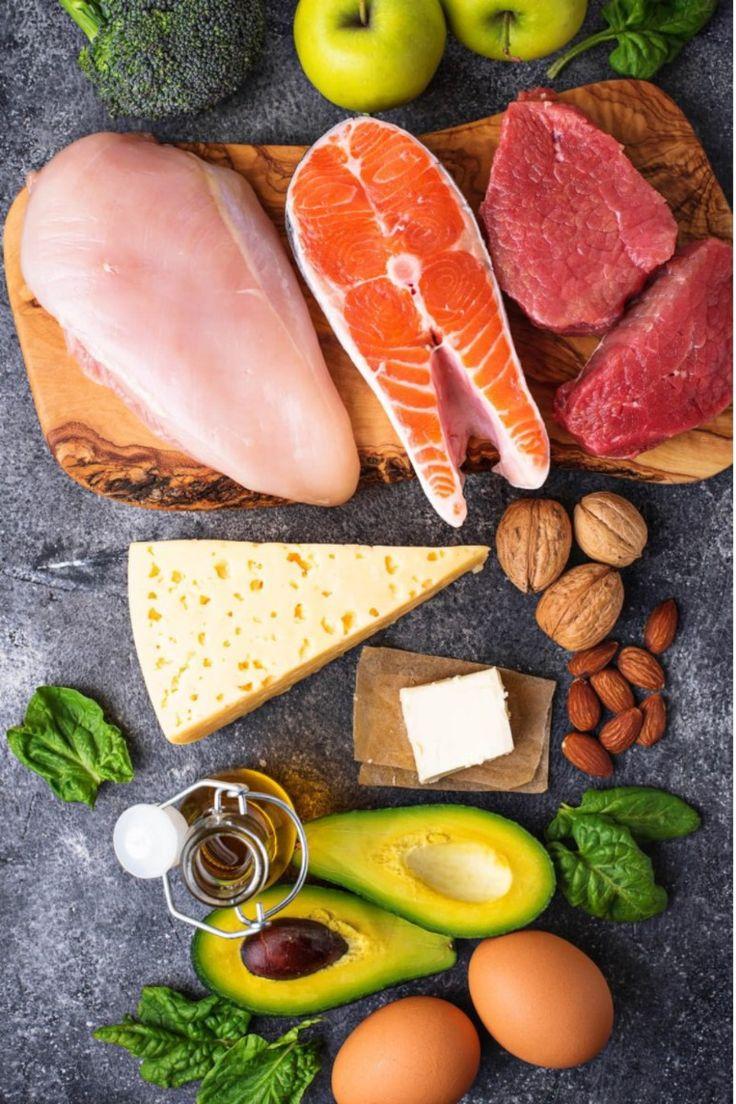
The Reality: Fat Quality Matters
Understanding Fat Types
The body requires dietary fat as an essential macronutrient for energy, hormone production, and brain development. Research distinguishes between harmful and beneficial fats:
Evidence from Major Research
Cardiovascular benefits:
A comprehensive meta-analysis of randomized controlled trials demonstrated that replacing saturated fat with polyunsaturated fat reduced coronary heart disease events by 19%, with each 5% increase in PUFA energy intake corresponding to a 10% reduction in coronary heart disease risk. Similarly, the Mediterranean diet—containing approximately 42% of daily energy from fat—achieved significant weight loss and improved central adiposity compared to low-fat diets.
Nuts and metabolic health:
Systematic reviews from NCBI confirm that nut consumption, despite high fat content, reduces risk factors for obesity, hypertension, diabetes, and cardiovascular disease due to beneficial fatty acid profiles, fiber, and micronutrients.
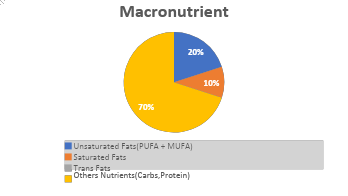
What Key Points Does the Official Guidance Clarify?
USDA, ICMR, and WHO recommendations consistently advise:
Key Takeaway
The evidence overwhelmingly demonstrates that high-fat foods containing quality unsaturated fats—including nuts, seeds, olive oil, and fatty fish—are protective, not harmful.
The real concern centers on excessive consumption of processed foods containing saturated and trans fats combined with refined carbohydrates. A diet emphasizing unsaturated fat quality over total fat quantity provides superior cardiovascular and metabolic outcomes.
Explore more evidence-based nutrition insights and personalized dietary strategies on Dytoclick — a trusted platform where dietitians create expert menu plans and share science-backed wellness knowledge.