Nutritional Genomics is a general term that includes two areas: nutrigenetics and nutrigenomics.
The study of genomics looks at how environmental factors affect gene expression and how different conditions can turn on or off certain genes and proteins.
Nutrigenomics, on the other hand, looks at how active components in food affect genes, proteins, and other molecules in the body. It explores how genetic differences can influence how these food components impact a person's health and risk of disease.
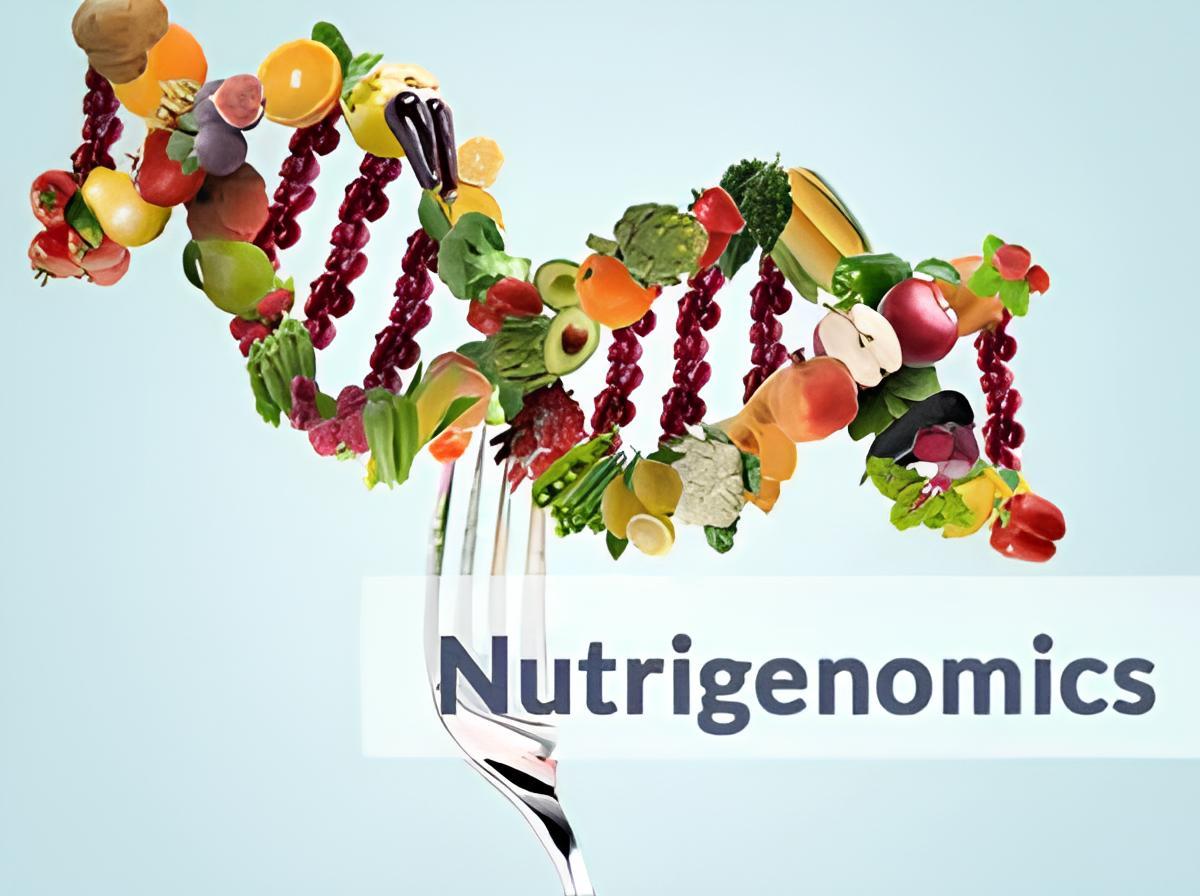
The Interaction Between Nutrient and Gene
The way nutrients and genes work together can be broken down into different types of interactions:
Direct Interactions: Some nutrients can act like switches that turn genes on or off by binding to DNA. This can cause genes to be expressed quickly.
Epigenetic Interactions: Nutrients can change how DNA is structured, which can lead to long-term changes in how genes are expressed.
Genetic Variations: Small changes in DNA, called SNPs (single nucleotide polymorphisms), can affect how a gene works or how it's expressed.
Nutrigenetics and nutrigenomics both aim to create personalized diets that are tailored to a person's genes to prevent or treat disease. These fields help find which nutrients are most beneficial for a person's health, based on how they affect the genome and how that influences health outcomes.
Research shows that making lifestyle changes, following a custom diet, and adding certain supplements can greatly lower the risk of developing disease. There is a strong link between nutrition and genes.
Nutrigenetics studies how a person's genes influence how they respond to food and looks at differences in genetic makeup that can affect this response. It seeks to find out which gene variations are linked to differences in how people react to nutrients and how that ties into disease.
In other words, nutrigenetics is about understanding how genetic differences lead to different responses to food and how that relates to health issues. Both nutrigenetics and nutrigenomics aim to understand how diet and genes interact, though their approaches and goals are different.
Basics of Nutrigenomics
Many common foods have chemicals that can change gene expression or structure in the body.
In some cases, diet can be a major risk factor for diseases.
Some genes that are regulated by diet are connected to the start, spread, or severity of chronic conditions.
How much diet affects health versus disease may depend on a person's genetic makeup.
Tools of Nutrigenomics
The term "omics" refers to the technologies used to study the different types of molecules in cells. These include four main areas:
1. Genomics: The study of genes and how they store and pass on information. 2. Transcriptomics: The study of mRNA, which shows what's actually happening inside cells. 3. Proteomics: The study of proteins and how they function in the body. 4. Metabolomics: The study of molecules involved in metabolism, which can show how the body works and how it looks.
Nutritional Genomics and Chronic Disease
Inflammation is a common factor in many chronic diseases, such as heart disease, cancer, diabetes, obesity, and arthritis.
Nutritional genomics studies have found that certain active food components, like theaflavins and catechins in tea, curcumin in turmeric, resveratrol in grapes, and lactones in chicory, can help reduce inflammation. Adding these foods to the diet can be a major step in treating chronic diseases. Nutrigenomics and nutrigenetics play a big role in understanding how genes respond to diet and how diet affects genes.
Using dietary changes based on a person's needs, current nutrition, and genes (personalized nutrition) can help prevent, reduce, or even cure chronic diseases.
Role of Nutrigenomics in Coronary Heart Disease (CHD)
Personalized Nutrition
Creates diets based on an individual's genes to lower the risk of CHD.
Gene-diet interaction
This mechanism is useful for recognizing how certain nutrients affect genes associated with inflammation, fat metabolism, and blood pressure.
Cholesterol management
This mechanism allows us to predict how individuals respond to different types of dietary fat, particularly saturated fat and trans fats in food and diet.
Inflammation management
This mechanism allows to - based on the individual's genes - to make decisions about anti-inflammatory foods (such as omega-3s).
Antioxidant response
This mechanism may optimize a person's health through their dietary intake by improving a person's ability to overcome the oxidative stress from dietary and environmental sources, by understanding the role of their nutrition.
Obesity and diabetes relations
This mechanism can help an individual control their weight and insulin sensitivity through their genetics which are both essential aspects of CHD.
Prevention strategy
This mechanism will allow for an individual with a family history of CHD or other genetic risk factors associated with early changes in diet events to take potential early actions to mitigate or prevent problems associated with dietary risk factors.
Nutritional genomics is a relatively new area of research. Diet-related diseases create far-reaching effects in communities and countries across the globe. Nutritional genomics technology provides an exciting new way to potentially develop more individualized diets based on a person's genetics to enhance health.