Ovarian cancer presents complex nutritional challenges, making the dietitian's role crucial from diagnosis through treatment, survivorship, and palliative care. Effective nutritional therapy not only supports immunity and strength but also enhances treatment tolerance, manages side effects, and significantly improves quality of life. A deep understanding of metabolic stress, symptom-driven nutrition care, and individualized interventions is essential for dietitians involved in oncology care.
Understanding Metabolic Changes in Ovarian Cancer
Patients with ovarian cancer often experience early satiety, abdominal bloating, anorexia, and unintentional weight loss due to tumor burden, ascites, slowed gastric emptying, and systemic inflammation. Hypermetabolism and muscle wasting increase the risk of cancer cachexia. Early use of validated tools like PG-SGA, CT-based body composition analysis (for sarcopenia), and regular anthropometry helps identify nutritional risk. Preserving lean body mass is a key therapeutic goal.
2. Addressing Treatment-Related Side Effects
Chemotherapy (platinum- and taxane-based regimens), immunotherapy, hormonal therapy, and targeted agents may cause nausea, vomiting, diarrhea, mouth sores, altered taste, fatigue, and neuropathy.
Nutrition strategies include:
For nausea: cold foods, small frequent meals, high-calorie beverages, and ginger.
For diarrhea: BRAT-style foods, adequate hydration, and limiting lactose or high-fiber intake temporarily.
For constipation: adequate soluble fiber, prunes, warm fluids, and mobility.
For mucositis: soft, non-acidic foods; avoid spicy or rough textures.
For chemotherapy-induced taste changes: marinating proteins, using lemon/herbs, metal-free cutlery.
For neuropathy: ensure adequate B12, folate, vitamin D intake, and glucose control.
3. Meeting Increased Energy and Protein Needs
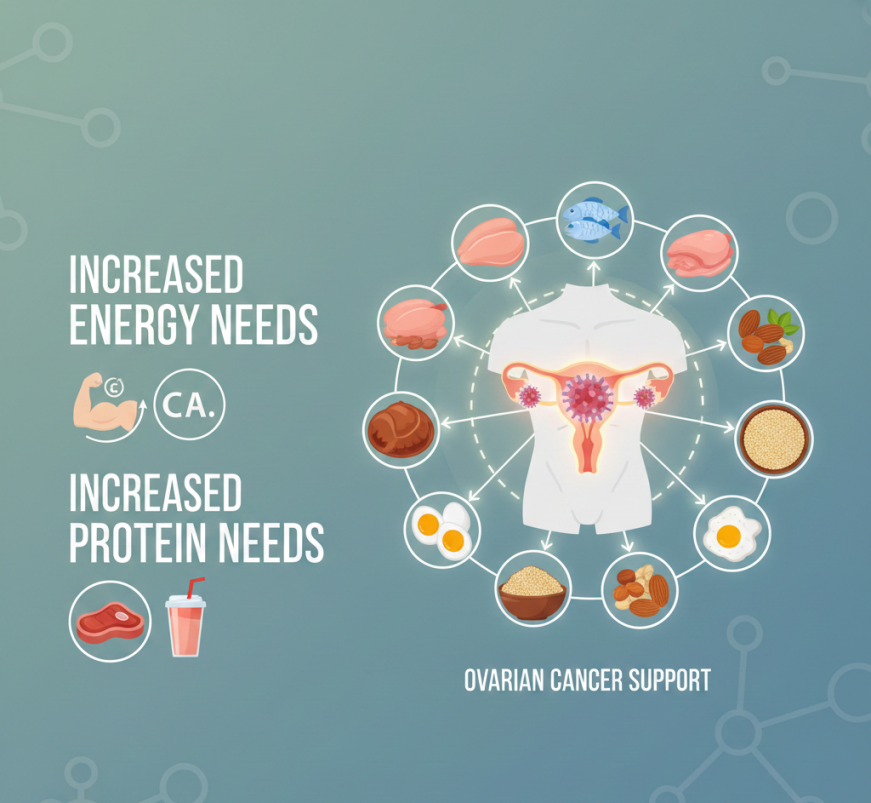
Calorie requirements often rise to 30–35 kcal/kg/day, and protein needs range between 1.2–1.5 g/kg/day to prevent severe muscle loss. Incorporate:
High-protein snacks (paneer, Greek yogurt, sprouts, nut pastes)
Energy boosters such as nut butters, ghee, avocado, and milk powder
ONS or peptide-based formulas when appetite is low
Night-time nutrition strategies for patients with early satiety
4. Anti-Inflammatory and Immune-Supportive Nutrition
Encourage an anti-inflammatory pattern that includes:
Omega-3-rich foods (salmon, flaxseed, walnuts)
Deep-colored vegetables (beetroot, spinach, carrots)
Probiotic-rich foods (curd, kefir) and prebiotic fibers
Herbs and spices with anti-inflammatory properties (turmeric, ginger, garlic)
These support immunity, tissue repair, and metabolic balance.
5. Identifying and Managing Common Nutrient Deficiencies
High risk of deficiencies includes:
Vitamin D: low levels linked to fatigue, mood changes, and immune dysfunction
Iron, folate, B12: due to blood loss, poor intake, or treatment effects
Magnesium & potassium: commonly depleted during chemotherapy-induced vomiting or diarrhea
Regular biochemical monitoring is essential.
6. Supporting Gut Health
Chemotherapy and antibiotics can alter gut microbiota. Dietitians can:
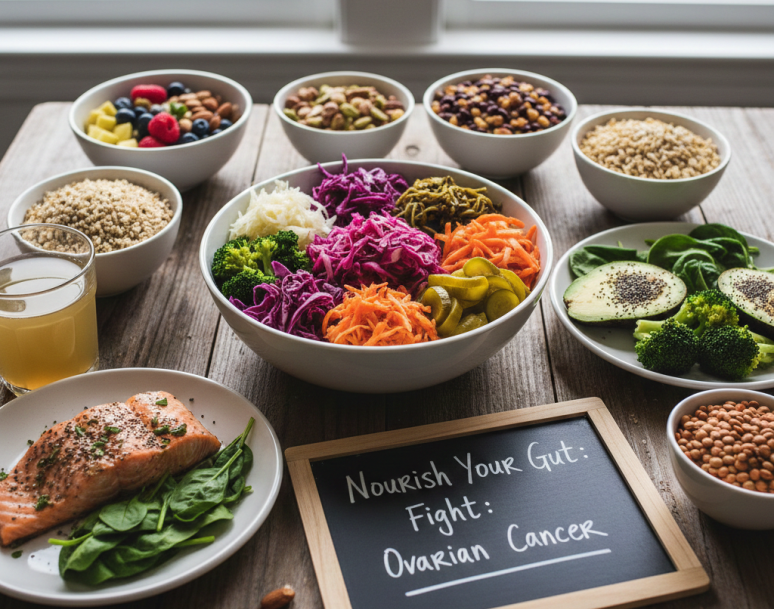
Add natural probiotics (curd, kimchi, kefir)
Encourage prebiotic fibers (banana, oats, garlic, onions)
Monitor for lactose intolerance or fat malabsorption during GI toxicity
7. Importance of Hydration and Electrolyte Balance
Patients with ascites, diarrhea, vomiting, or renal challenges require careful fluid planning. ORS, coconut water, and electrolyte-balanced beverages can support hydration, while avoiding excessive sodium in ascites.
8. Tailoring Nutrition to Surgery and Recovery
Before and after debulking surgery:
Focus on immune-enhancing nutrition (arginine, glutamine, omega-3s)
Optimize protein intake for wound healing
Support bowel recovery with soft, easy-to-digest foods initially
Introduce small, calorie-dense meals to combat post-op fatigue
9. Providing Emotional and Behavioral Nutrition Support
Food anxiety, fear of eating, body image concerns, and treatment stressors require a compassionate, flexible approach. Motivational interviewing, culturally appropriate guidance, and caregiver involvement strengthen adherence.
10. Palliative and End-of-Life Nutrition
In advanced stages, the focus shifts to comfort, symptom reduction, and patient-centered wishes. Small palatable foods, hydration comfort measures, and avoiding force-feeding help maintain dignity and quality of life.
Why is early nutrition intervention important in ovarian cancer?
Early nutrition intervention helps prevent rapid muscle loss, supports immune function, and reduces the risk of cancer cachexia. It also improves treatment tolerance, reduces hospitalization, and enhances the overall quality of life.
How much protein do ovarian cancer patients typically need?
Most patients require 1.2–1.5 g/kg/day of protein to preserve lean body mass, support tissue repair, and counteract muscle wasting. During severe stress or post-surgery, needs may be slightly higher based on individual assessment.
Which foods help manage inflammation in ovarian cancer?
Anti-inflammatory foods include fatty fish (omega-3s), nuts, seeds, olive oil, turmeric, leafy greens, berries, garlic, and ginger. These foods help modulate inflammatory pathways and support recovery.
How can dietitians help patients with chemotherapy-induced taste changes?
Dietitians can suggest using citrus, herbs, and marinades to enhance flavor, avoiding metallic cutlery, opting for cold foods to reduce smell sensitivity, and offering soft, high-protein options like yogurt, smoothies, eggs, and custards.
Why are monitoring micronutrient deficiencies crucial in ovarian cancer care?
Deficiencies in vitamin D, iron, B12, folate, magnesium, and potassium are common and can worsen fatigue, immunity, nerve health, and treatment tolerance. Early diagnosis and correction improve energy levels, recovery, and overall outcomes.
The Final Thought
Nutrition is a key part of ovarian cancer care, helping patients stay strong, reduce treatment side effects, and feel better overall. By identifying metabolic changes early, personalizing diets, addressing deficiencies, and encouraging anti-inflammatory, high-protein eating, dietitians can meaningfully improve outcomes. With compassionate, evidence-based support, nutrition remains a vital part of comprehensive treatment.
Dytoclick is an innovative software designed specifically for dietitians, helping them create personalized nutrition plans and efficiently manage client progress. Along with its practical tools, Dytoclick also serves as a reliable knowledge platform, offering expert content on diet, nutrition, and health-related topics. By combining technology with education, Dytoclick empowers professionals to make informed dietary recommendations that support both physical and mental well-being.