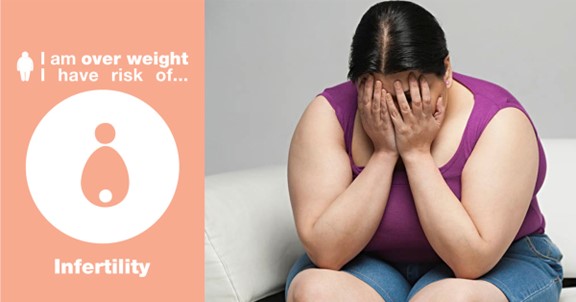
Obesity has become a global epidemic, particularly among women of reproductive age. More than 20% of reproductive-aged women in the United States are classified as obese. Beyond the well-known risks to metabolic and cardiovascular health, obesity poses profound implications for female fertility. It affects natural conception, exacerbates conditions like PCOS, and reduces the success of assisted reproductive technologies.
Why It Matters
The link between obesity and infertility isn't just biological—it's deeply personal. Women struggling to conceive often face emotional distress, financial strain due to extended fertility treatments, and elevated risks during pregnancy. Addressing obesity early improves not only the chances of conception but also maternal and fetal outcomes, contributing to long-term family health.
Obesity and Fertility Impairment
Obesity disrupts the hormonal balance of the hypothalamic-pituitary-ovarian (HPO) axis, often causing ovulatory dysfunction. Women may experience irregular cycles or anovulation. In PCOS, obesity worsens insulin resistance and hormonal imbalances, further reducing fertility.
New Statistics and Research Insights
According to a study in the American Journal of Epidemiology, women with a BMI over 27 have a threefold increased risk of ovulatory infertility. IVF success rates decline by 15–20% among obese women, and treatment often requires higher medication doses and longer stimulation periods.
Obesity and Assisted Reproduction
Obesity can impact fertility treatments even when menstrual cycles are regular. It leads to lower success rates in IVF due to compromised oocyte quality and embryonic development. Issues like defective spindle formation and mitochondrial dysfunction are common.
Underlying Biological Mechanisms
Increased free fatty acids can damage reproductive tissues, causing inflammation and oxidative stress. Adipokines like leptin may interfere with hormone production and embryo development. Obesity also impairs stromal decidualization in the endometrium, reducing implantation rates.

Enhanced Dietary Advice
• Stay Hydrated with Purpose: Water supports hormonal function; sugary drinks disrupt glucose control. • Cut Inflammatory Foods: Ultra-processed foods and high-sugar items increase metabolic stress. • Consult Experts: Dietitians and endocrinologists offer tailored plans for weight management and fertility.
Dietary Guidelines for Enhancing Fertility
1. Achieve Gradual Weight Loss: Calorie-controlled diets help restore ovulation. 2. Choose Whole, Nutrient-Dense Foods: Fruits, vegetables, lean proteins. 3. Limit Processed Foods: Reduce trans fats, saturated fats, sugars. 4. Choose Healthy Fats: Use omega-3s, avoid omega-6-heavy oils. 5. Support Insulin Sensitivity: Favor low-GI carbs. 6. Stay Hydrated: Drink water, avoid sugary drinks. 7. Consider Professional Guidance: Especially before surgery.

Management Strategies and Future Directions
Weight loss, physical activity, and nutritional changes can improve fertility, but high-quality evidence remains limited. Bariatric surgery may help select patients but requires professional guidance.

Conclusion
Obesity's influence on female fertility is both significant and reversible. With intentional changes to diet and lifestyle, many women can restore reproductive function, improve IVF outcomes, and enhance maternal and fetal health. Early intervention is not just beneficial—it's essential for future family well-being.