Effective portion control is one of the most practical and sustainable strategies for weight management, helping individuals create a calorie deficit without complex diet rules or food restrictions. Research demonstrates that when people are presented with larger portions, they consistently consume more food, making portion awareness crucial for maintaining a healthy weight.
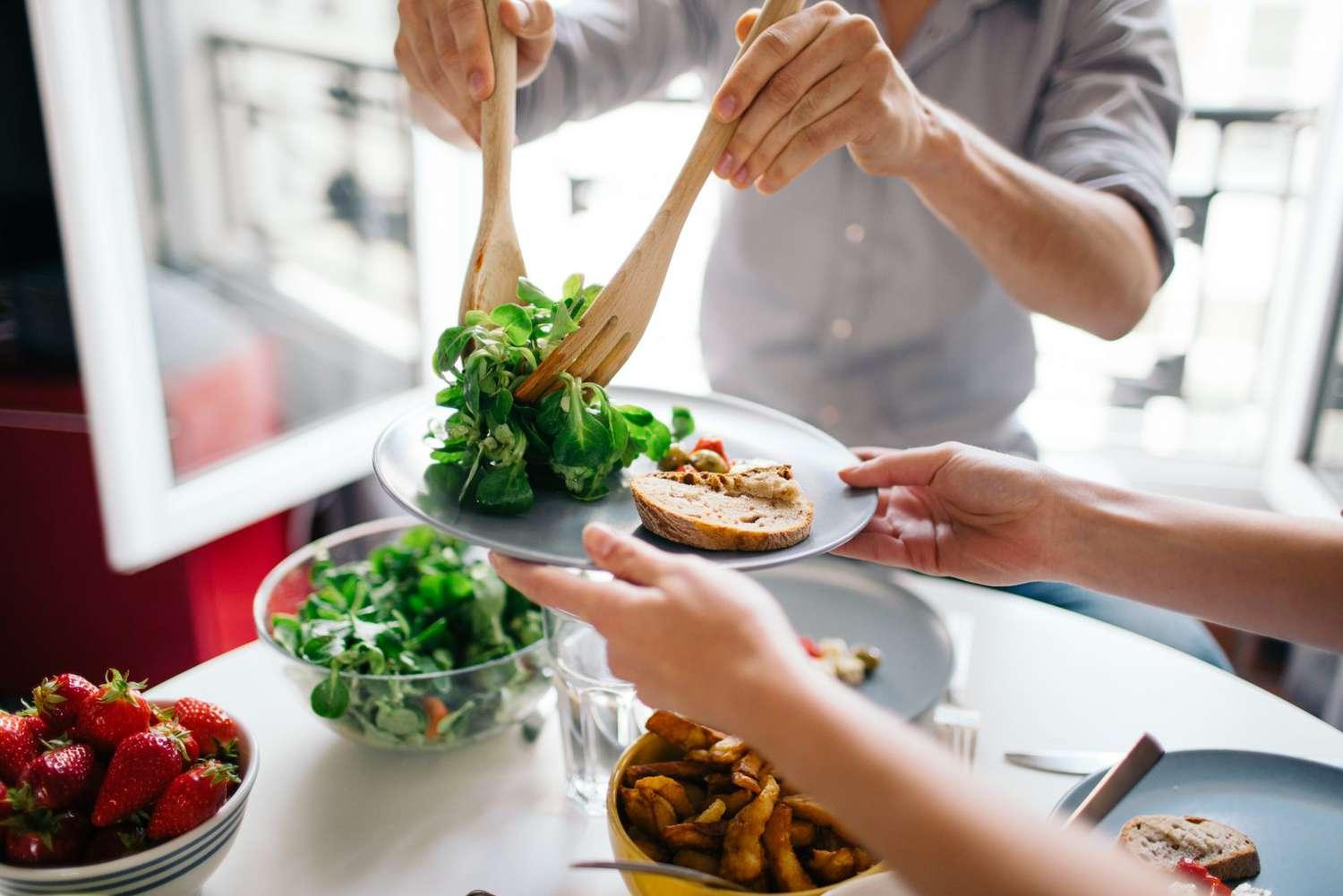
The Science Behind Portion Control
Studies show that portion size significantly influences energy intake regardless of hunger levels or food preferences. When individuals receive larger portions, they typically consume 31% more food without realizing the increase. This "portion size effect" occurs because people tend to eat almost all of what they serve themselves, making portion control a powerful tool for managing caloric intake.
The psychological impact of portion control extends beyond physical benefits. Feeling in control of eating habits can boost self-efficacy and confidence, while also helping maintain stable blood sugar levels that support consistent mood and energy throughout the day.
Visual and Environmental Strategies
Use Smaller Dinnerware
The size and color of plates significantly affect perceived portion sizes and consumption patterns. Research indicates that food appears 22% smaller on 30cm plates compared to 25cm plates, leading to overconsumption. Using smaller plates, bowls, and serving utensils can reduce food intake by up to 25% without conscious effort.
Plate color also influences eating behavior. When plate color matches food color, people tend to eat 30% more. For example, serving pasta with red sauce on a red plate increases consumption compared to using a white plate. Blue plates are most effective for portion control since blue foods are rare, creating maximum contrast.
Apply the Plate Method
Divide your plate into visual sections to ensure balanced nutrition and appropriate portions:
Half the plate: Vegetables and salad (naturally low in calories but high in fiber)
Quarter of the plate: Lean protein
Quarter of the plate: Starchy carbohydrates
Small portion in center: Healthy fats
This method helps create nutritionally balanced meals while naturally controlling portions of calorie-dense foods.
Hand-Based Portion Guidelines
Use your hands as portable measuring tools for consistent portion control:
Protein: Palm-sized serving for women, two palm-sized portions for men
Vegetables/fruits: One cupped-hand portion
Carbohydrates: Fist-sized portion for women, two for men
Fats: Thumb-sized portion for women, two for men
These measurements automatically adjust portions based on body size, ensuring appropriate serving sizes for different individuals.
Mindful Eating Practices
Slow Down and Focus
Eating slowly allows your brain time to register fullness, which takes approximately 20 minutes. Research shows that eating quickly is associated with higher BMI, increased waist circumference, and elevated health risks. Turn off distractions like television and focus entirely on your meal to enhance awareness of hunger and satiety cues.
Pre-portion Snacks and Meals
Never eat directly from packages or containers, as this encourages mindless overconsumption. Research shows people consume nearly 12% more food from large packages compared to smaller ones. Instead, portion snacks into small bowls or choose single-serving packages to maintain awareness of consumption.
Strategic Meal Planning
Start with Water
Drink a glass of water 30 minutes before meals to naturally reduce appetite and improve portion control. Studies demonstrate that pre-meal water consumption leads to lower body weight, reduced waist circumference, and improved metabolic markers.
Prepare Your Environment
Structure your food environment to limit exposure to large portions of energy-dense foods. This includes:
Storing leftovers immediately after cooking
Using measuring cups for ingredients like oils and butter
Avoiding buffet-style restaurants where portion control is challenging
Asking for half portions or sharing meals when dining out.
Restaurant and Social Eating
Restaurant portions have increased significantly over recent decades, often providing enough food for two or more meals. When eating out:
Request half portions or children's meals
Share entrees with dining companions
Order appetizers and sides instead of main dishes
Ask for sauces and dressings on the side
Box half your meal immediately upon arrival
Psychological Considerations
Address emotional and social barriers that influence portion control. Common challenges include:
Social pressures: Cultural expectations to finish served food or avoid offending hosts
Emotional eating: Using food for comfort during stress, boredom, or negative emotions
Childhood habits: Ingrained patterns from family portion practices
Distracted eating: Consuming food while multitasking reduces awareness of intake.
Long-term Success Strategies
Consistency is key for developing sustainable portion control habits. Start by implementing one or two strategies rather than attempting dramatic changes simultaneously. Keep a food diary or use portion-tracking apps to increase awareness of eating patterns and portion sizes.
Practice portion control regularly throughout the day by eating meals and snacks at consistent times, which helps prevent excessive hunger that can lead to overeating. Remember that portion control isn't about perfection—it's about creating sustainable habits that support long-term weight management goals while maintaining an enjoyable relationship with food.