Post-workout nutrition is equally important for recovery, muscle repair, and replenishing energy stores. After exercise, muscles are primed for recovery, rebuilding glycogen stores, and repairing damaged proteins. Strategic nutrient intake accelerates this process, minimizing muscle soreness and preparing the body for future sessions.

Macronutrient Composition for Post-Workout Meals
Post-workout meals should primarily focus on a combination of carbohydrates and high-quality protein to support muscle repair and glycogen replenishment.
Protein: Enhancing Muscle Repair and Growth
After a workout, muscles are highly receptive to protein for repair and growth. Consuming high-quality protein sources stimulates robust increases in muscle protein synthesis (MPS). The International Society of Sports Nutrition (ISSN) suggests ingesting a 20–40-gram protein dose (0.25–0.40 g/kg body mass/dose) from a high-quality source every three to four hours to favorably affect MPS rates and improve body composition and performance outcomes. For most individuals, 20-40 grams of protein post-workout is considered adequate. While individual needs vary, studies indicate that muscle protein synthesis peaks with specific protein intakes per meal, around 0.31 g/kg of rapidly digested, high-quality protein.
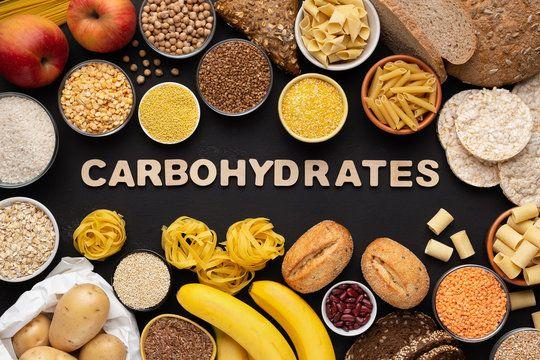
Carbohydrates: Replenishing Glycogen Stores
Post-workout, the body needs to replenish its glycogen stores, which are depleted during exercise. Combining protein with carbohydrates optimizes this process, restoring energy levels and preparing muscles for future workouts. For rapid restoration of glycogen, especially when recovery time is less than 4 hours, aggressive carbohydrate refeeding (1.2 g/kg/h) with high glycemic index sources, or combining carbohydrates (0.8 g/kg/h) with protein (0.2–0.4 g/kg/h) is recommended. Studies show that the highest muscle glycogen synthesis rates are achieved with carbohydrate intakes of 0.8-2 g carbs/kg body weight/hour. Glycogen levels can be restored to normal within 24 hours with sufficient dietary carbohydrate intake.
Fats: Secondary Consideration Post-Workout
While some fat in a post-workout meal does not hinder recovery or absorption of nutrients, it is not the primary focus for immediate post-exercise nutrient delivery due to its slower digestion. However, healthy fats can be incorporated as part of a balanced meal later in the recovery window.
Optimal Timing for Post-Workout Meals
The "anabolic window" for optimal nutrient intake was traditionally considered a narrow 30-60 minute period immediately after exercise. However, current research suggests that this window is more flexible, extending up to 5-6 hours after training, especially if a pre-workout meal was consumed. Nevertheless, consuming protein and carbohydrates within 30 minutes to 2 hours post-exercise is still recommended to maximize recovery and muscle growth, capitalizing on enhanced insulin sensitivity and nutrient uptake.
Hydration and Electrolyte Balance Post-Workout
Replenishing fluids and electrolytes lost through sweat is crucial for successful post-exercise recovery. Drinking 16-24 ounces of fluid per pound of body weight lost is recommended after exercise. Electrolytes like sodium, potassium, magnesium, and calcium are essential for muscle function, nerve signaling, and maintaining fluid balance. Sodium is particularly important as it is lost most significantly in sweat. Electrolyte-rich post-workout drinks, or even homemade solutions with salt, can help replace these losses and aid in preventing muscle cramps and accelerating recovery.
Conclusion
Proper post-workout nutrition is crucial for recovery and adaptation. The key is to consume a balanced intake of carbohydrates and protein. This combination helps replenish glycogen stores and repair muscle tissue, setting the stage for future performance. While the timing of this meal is flexible, it's beneficial to eat within a few hours of training. Furthermore, don't forget the importance of hydration and electrolyte replenishment to complete the recovery process. By following these guidelines, you can optimize your body's ability to rebuild and grow stronger.