Staying fit isn't about eating less — it's about eating smart. Choosing foods that naturally curb hunger helps you control cravings, maintain energy, and manage weight without struggle. Here's how to build a diet that keeps you full, nourished, and satisfied.
Ever wondered why you feel hungry even after eating a full meal?
These questions reveal a simple truth: feeling full depends more on what you eat than how much you eat.
Understanding the right foods to control hunger is the secret to managing cravings, staying energized, and staying fit — effortlessly.
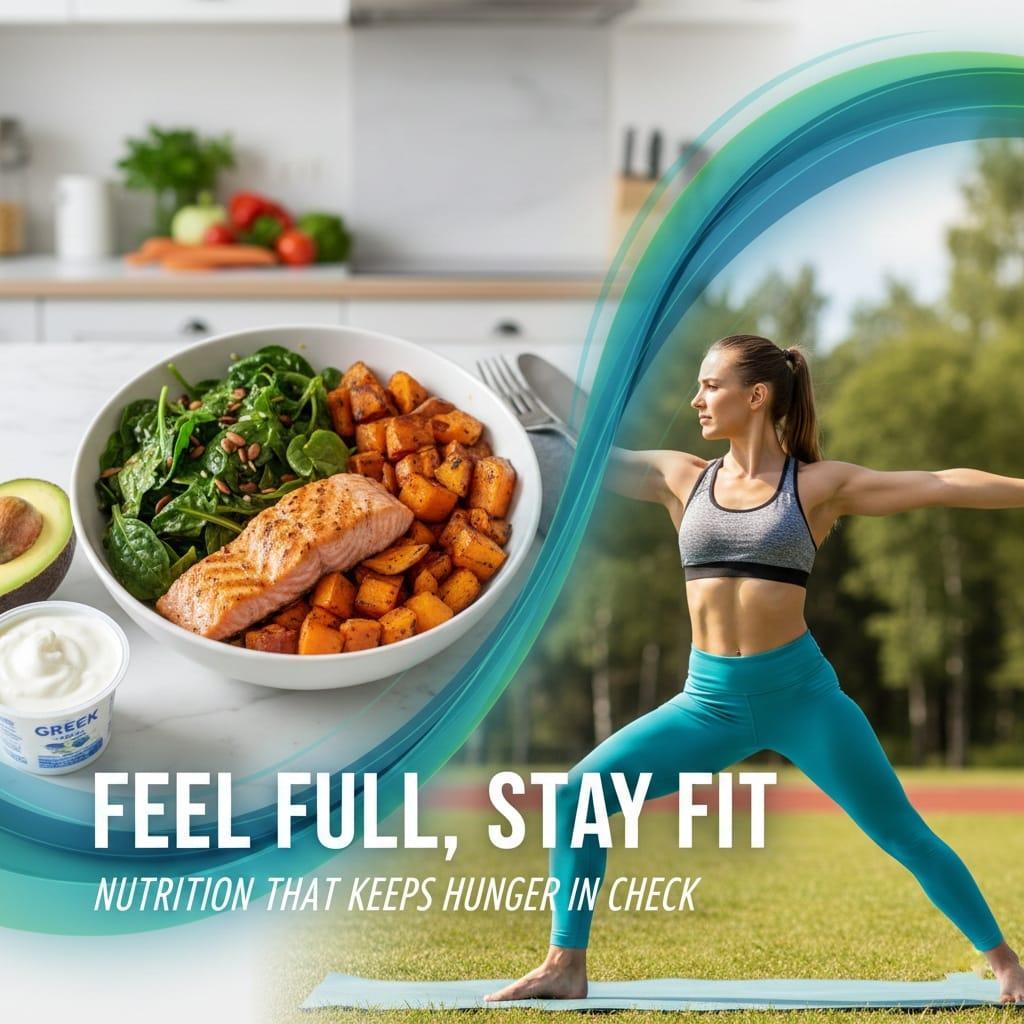
1. Prioritize Protein — The Ultimate Hunger Controller
Protein activates key satiety hormones (GLP-1, CCK) that reduce hunger.
Slows stomach emptying → keeps you full longer.
Best choices: eggs, fish, chicken, paneer, Greek yogurt, dals, chickpeas, tofu, soya chunks.
A protein-rich breakfast reduces mid-morning cravings and total daily intake.
Aim for: 20–30 g protein per meal (depending on body size and goals).
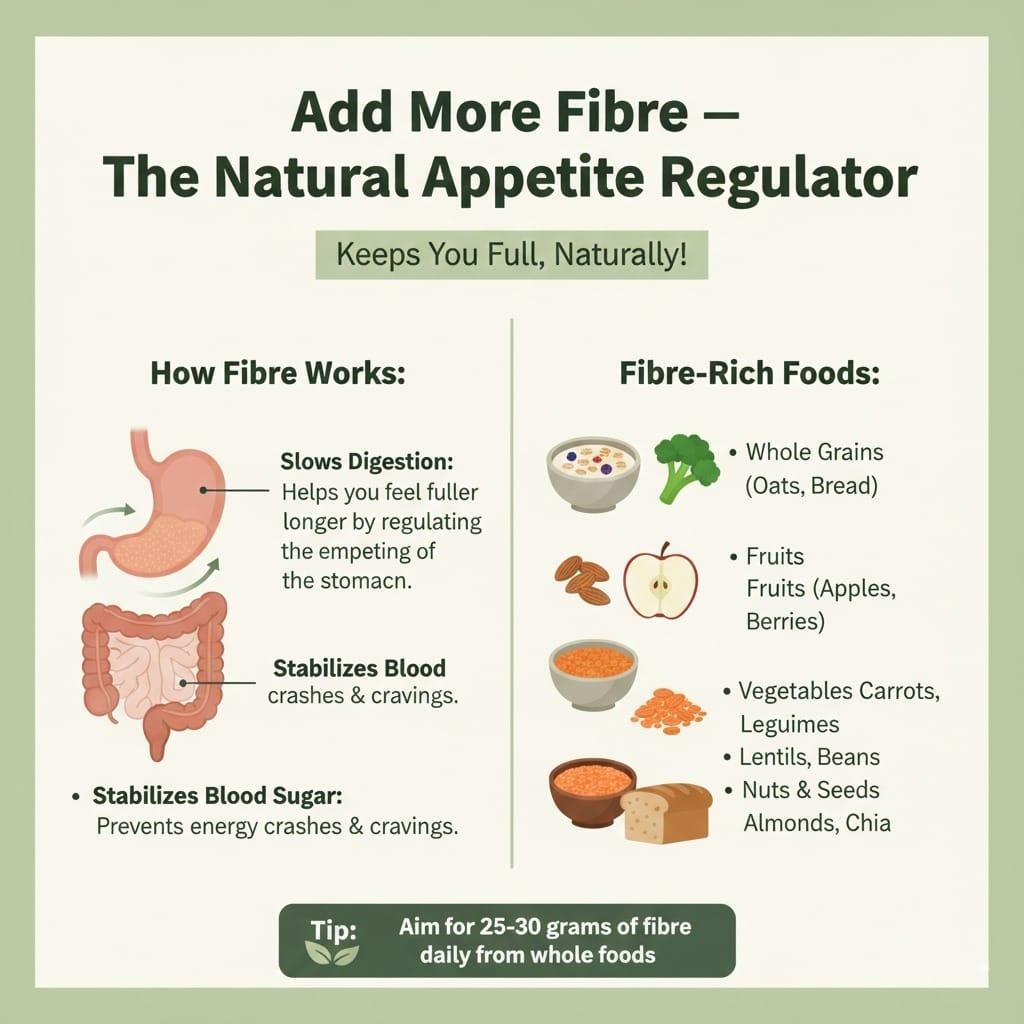
2. Add More Fibre — The Natural Appetite Regulator
Adds volume and bulk without adding many calories.
Slows digestion → stable energy + longer satiety.
Gut fermentation of fibre produces compounds that regulate appetite.
Great sources: oats, whole wheat, millets, beans, lentils, fruits, vegetables, flax/chia seeds.
Increase fibre gradually and drink enough water.
3. Choose Low-GI Carbs for Steady Energy
Prevents sudden sugar spikes → reduces rebound cravings.
Low-GI options: millets, brown rice, dalia, quinoa, beans, peas, apples, pears, veggies.
Pair carbs with protein or healthy fat to maintain fullness.
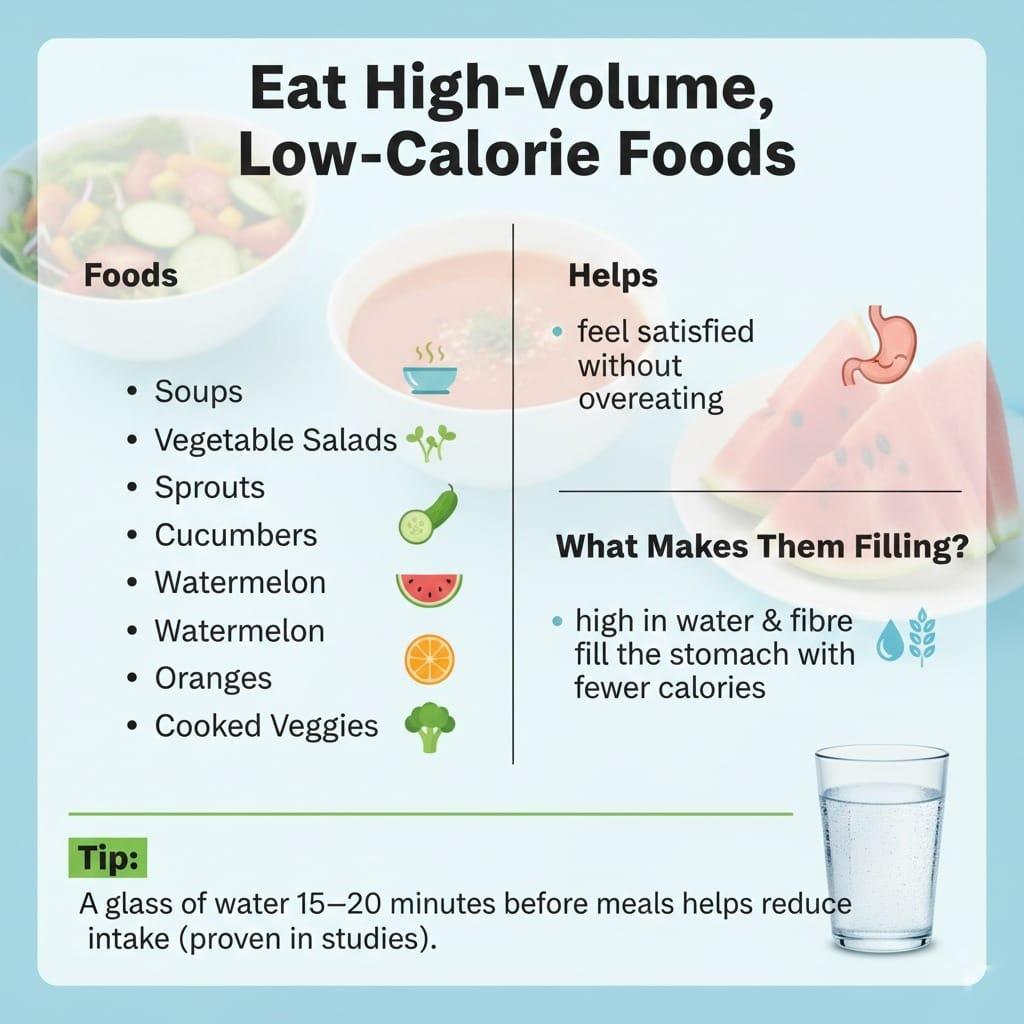
4. Eat High-Volume, Low-Calorie Foods
Foods high in water & fibre fill the stomach with fewer calories.
Helps you feel satisfied without overeating.
Include more:
Soups, vegetable salads, sprouts, cucumbers, watermelon, oranges, cooked veggies
Tip: A glass of water 15–20 minutes before meals helps reduce intake (proven in studies).
5. Add Healthy Fats — Small Amounts, Big Impact
Fats slow digestion and enhance satisfaction.
Helps control between-meal hunger.
Good choices:
Almonds, walnuts, peanuts, avocado, olive oil, flax/chia seeds, fatty fish (if non-veg)
Use controlled portions: 1–2 tsp oil per meal + a handful of nuts.
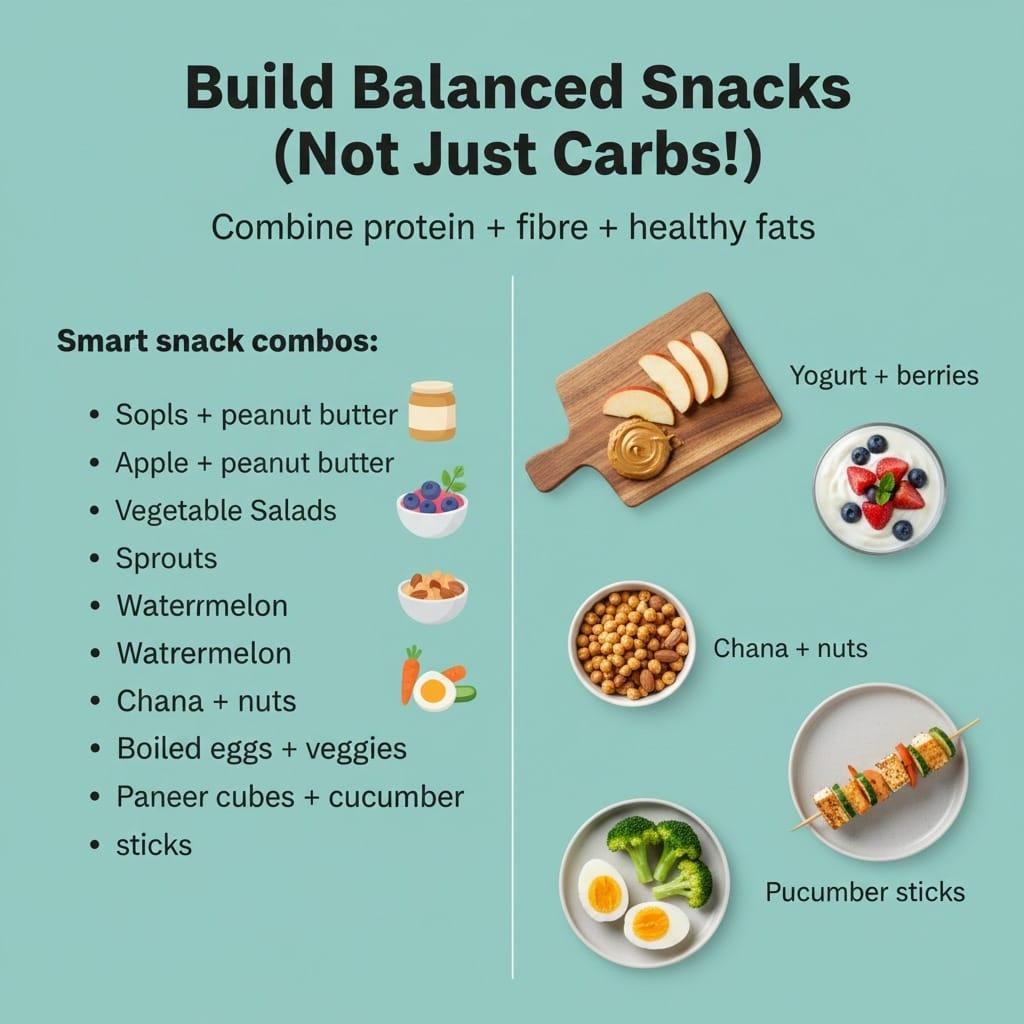
6. Build Balanced Snacks (Not Just Carbs!)
Combine protein + fibre + healthy fats.
Smart snack combos:
Apple + peanut butter
Yogurt + berries
Chana + nuts
Boiled eggs + veggies
Paneer cubes + cucumber sticks
7. Lifestyle Habits That Strengthen Satiety
Sleep 7–8 hours → reduces ghrelin (hunger hormone).
Reduce stress → prevents emotional eating.
Eat slowly → improves fullness recognition.
Stay hydrated → dehydration often mimics hunger.
8. Follow NIN-Recommended Balanced Eating
The ICMR–NIN Dietary Plate emphasizes:
¼ cereals & millets
¼ pulses/legumes & protein sources
½ vegetables + fruits
Plus nuts, seeds, and dairy
This naturally ensures fullness + nutrient balance.
Feeling full and staying fit isn't about restricting your diet — it's about choosing foods that work with your body. When you prioritise protein, fibre-rich foods, low-GI carbohydrates, healthy fats, and hydrating meals, you naturally reduce cravings and maintain steady energy throughout the day. These habits support better weight control, improved digestion, and long-term metabolic health. Combined with mindful eating, good sleep, and balanced daily routines, smart nutrition becomes a sustainable way to keep hunger in check and fitness on track.
Eat for nourishment, not deprivation — and your body will reward you with lasting fullness, vitality, and balance.
Dytoclick is an innovative software designed specifically for dietitians, helping them create personalized nutrition plans and efficiently manage client progress. Along with its practical tools, Dytoclick also serves as a reliable knowledge platform, offering expert content on diet, nutrition, and health-related topics. By combining technology with education, Dytoclick empowers professionals to make informed dietary recommendations that support both physical and mental well-being.