Sleep apnea is a common sleep disorder characterized by repeated pauses in breathing during sleep. While medical treatments like CPAP machines and oral appliances play a key role, nutrition can significantly support symptom management by reducing inflammation, improving muscle tone, managing weight, and promoting better sleep quality. Here's how the right diet can help you breathe and sleep better—naturally.
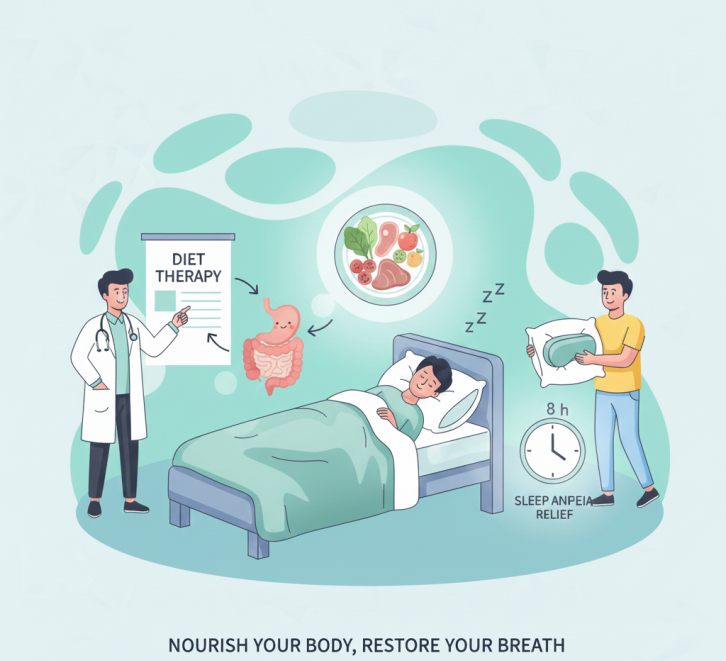
Focus on Anti-Inflammatory Foods
Chronic inflammation can worsen airway obstruction. Including anti-inflammatory foods may help reduce swelling in throat tissues.
Include:
Fatty fish (salmon, sardines)
Turmeric, ginger
Berries
Leafy greens
Olive oil
Nuts and seeds
Avoid:
Fried foods
Refined sugars
Processed snacks
Trans fats
Maintain a Healthy Weight
Excess weight, especially around the neck and upper airway, is a major risk factor for obstructive sleep apnea. A balanced, calorie-controlled diet can reduce fat deposition around the airway.
Smart choices:
High-fiber vegetables
Lean proteins (eggs, tofu, legumes, chicken)
Whole grains
Low-glycemic fruits
Limit:
Sugary beverages
White bread
Pastries
Fast food
Support Muscle Tone of the Airway
Weak throat and tongue muscles can collapse during sleep, blocking airflow. Protein and micronutrients help maintain muscle strength.
Include:
Eggs
Greek yogurt
Paneer
Lentils
Soy
Pumpkin seeds
Almonds
Improve Sleep Quality Through Diet
Certain foods promote relaxation and melatonin production, helping you fall asleep faster and stay asleep longer.
Sleep-supporting nutrients:
Tryptophan: Milk, bananas, oats
Magnesium: Spinach, nuts, seeds
Calcium: Dairy, sesame seeds
Vitamin B6: Chickpeas, fish, potatoes
Avoid heavy meals, caffeine, and spicy foods close to bedtime.
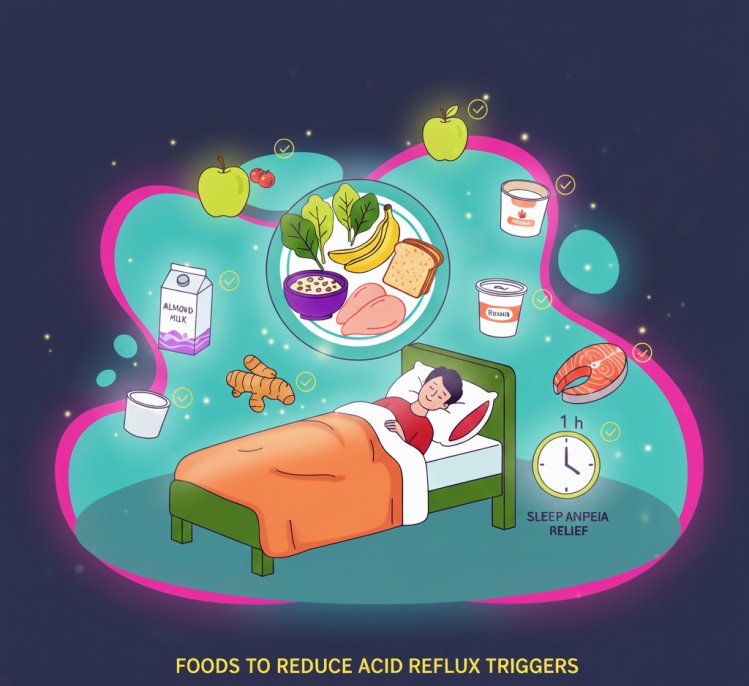
Reduce Acid Reflux Triggers
Gastroesophageal reflux (GERD) often coexists with sleep apnea and can worsen nighttime breathing issues.
Choose:
Oatmeal
Steamed vegetables
Non-citrus fruits
Low-fat yogurt
Avoid:
Chocolate
Mint
Carbonated drinks
Tomato-based foods
Alcohol
Limit Alcohol and Sedatives
Alcohol relaxes throat muscles, making airway collapse more likely during sleep. It also disrupts sleep cycles.
Stay Well Hydrated
Dehydration can thicken mucus in the airway, increasing obstruction and discomfort.
Aim for:
2–3 liters of water daily (as per individual needs)
Herbal teas
Coconut water (unsweetened)
Mind Your Meal Timing
Late-night heavy meals can worsen apnea symptoms by increasing reflux and discomfort.
Best practices:
Eat dinner at least 2–3 hours before sleep
Keep meals light and easy to digest
Avoid lying down immediately after eating
Can diet alone cure sleep apnea?
No, diet cannot completely cure sleep apnea, especially moderate to severe cases. However, proper nutrition can significantly reduce symptoms by supporting weight management, decreasing inflammation, improving muscle tone of the airway, and enhancing sleep quality. Dietary changes work best when combined with medical treatments like CPAP, oral appliances, or lifestyle modifications.
Which foods should people with sleep apnea avoid before bedtime?
People with sleep apnea should avoid foods that worsen airway relaxation, acid reflux, or sleep disturbances. These include:
Alcohol
Caffeinated drinks
Spicy foods
Fried and fatty foods
Chocolate
Sugary snacks
Carbonated beverages
Consuming these close to bedtime can increase breathing difficulties and sleep interruptions.
How does weight loss through nutrition help sleep apnea?
Excess body fat, especially around the neck and upper airway, can narrow the breathing passage and worsen obstruction during sleep. A balanced, calorie-controlled diet rich in fiber, lean protein, and whole foods helps reduce fat accumulation, improves airflow, and lowers the severity of obstructive sleep apnea in many individuals.
Are there specific nutrients that improve sleep quality in sleep apnea patients?
Yes, certain nutrients support relaxation and healthy sleep cycles:
Magnesium: Helps relax muscles and nerves
Tryptophan: Supports serotonin and melatonin production
Calcium: Aids melatonin synthesis
Vitamin B6: Helps convert tryptophan into serotonin
Foods like bananas, oats, nuts, seeds, dairy, and leafy greens can naturally support better sleep.
The bottom Line
Nutrition alone cannot cure sleep apnea, but it plays a powerful supportive role in symptom control. By focusing on anti-inflammatory foods, weight management, muscle-supporting nutrients, and sleep-friendly eating habits, you can naturally enhance breathing, reduce nighttime disturbances, and improve overall sleep quality. A personalized diet plan guided by a nutrition professional can further optimize outcomes for individuals with sleep apnea.
Dytoclick is an innovative software designed specifically for dietitians, helping them create personalized nutrition plans and efficiently manage client progress. Along with its practical tools, Dytoclick also serves as a reliable knowledge platform, offering expert content on diet, nutrition, and health-related topics. By combining technology with education, Dytoclick empowers professionals to make informed dietary recommendations that support both physical and mental well-being.