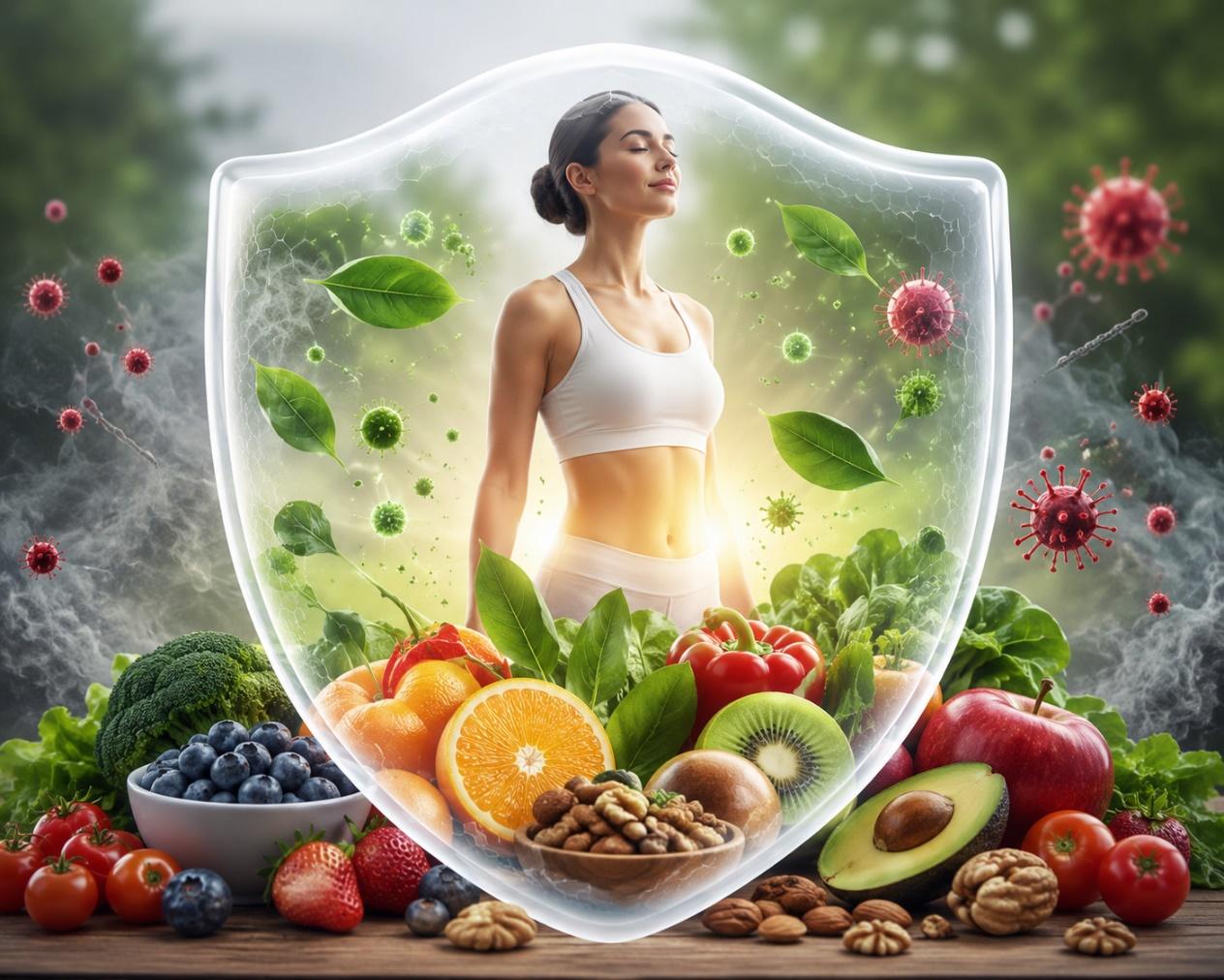
Have you ever wondered why nutrition experts encourage eating colorful fruits and vegetables? The answer often comes down to antioxidants—natural compounds that help protect your body from everyday damage caused by unstable molecules called free radicals.
From pollution and stress to unhealthy eating habits and excessive sun exposure, modern life exposes our bodies to factors that can increase oxidative stress. Over time, this may contribute to aging and the development of various chronic health conditions. Fortunately, a balanced diet rich in antioxidants can help support your body's natural defense system.
In this guide, you'll learn what antioxidants are, how they work, their health benefits, the best food sources, and practical ways to include them in your daily meals.
What Are Antioxidants?
Antioxidants are naturally occurring substances found in many foods, especially fruits, vegetables, nuts, seeds, herbs, and whole grains. Their primary role is to neutralize free radicals, unstable molecules that can damage healthy cells.
Free radicals are produced naturally during normal body functions, but their levels can increase because of:
When free radicals outnumber antioxidants, the body experiences oxidative stress, which may increase the risk of chronic diseases.
How Do Antioxidants Work?
Think of antioxidants as your body's natural protective shield.
They help by:
Rather than stopping free radical production completely—which isn't possible or even desirable—antioxidants help maintain a healthy balance.
Types of Antioxidants
Different antioxidants perform different functions in the body.
1. Vitamin C
Vitamin C is one of the best-known antioxidants.
It helps:
Good sources include:
2. Vitamin E
Vitamin E protects cell membranes from oxidative damage.
Rich sources include:
3. Beta-Carotene
Beta-carotene converts into vitamin A in the body.
It supports:
Food sources:
4. Selenium
Selenium is an essential mineral with antioxidant properties.
Found in:
5. Polyphenols
Polyphenols are plant compounds associated with numerous health benefits.
They are abundant in:
Health Benefits of Antioxidants
Regularly consuming antioxidant-rich foods offers numerous health advantages.
Supports Heart Health
Oxidative stress may contribute to damage in blood vessels. Diets rich in fruits, vegetables, nuts, and whole grains provide antioxidants that support cardiovascular health as part of an overall healthy lifestyle.
Promotes Healthy Aging
Cell damage accumulates naturally with age. Antioxidants help protect cells, supporting healthier aging and skin health.
Strengthens the Immune System
Several antioxidants, particularly vitamins C and E, play important roles in maintaining normal immune function.
Supports Brain Health
Research suggests that antioxidant-rich dietary patterns may help support cognitive function and protect brain cells from oxidative damage.
Helps Protect Eye Health
Certain antioxidants, including lutein and zeaxanthin, help support healthy vision by protecting the eyes from oxidative stress.
Best Antioxidant-Rich Foods
One of the easiest ways to increase antioxidants is by eating a colorful variety of plant-based foods.
Fruits
Vegetables
Nuts and Seeds
Beverages
Other Healthy Choices
Simple Ways to Add More Antioxidants to Your Diet
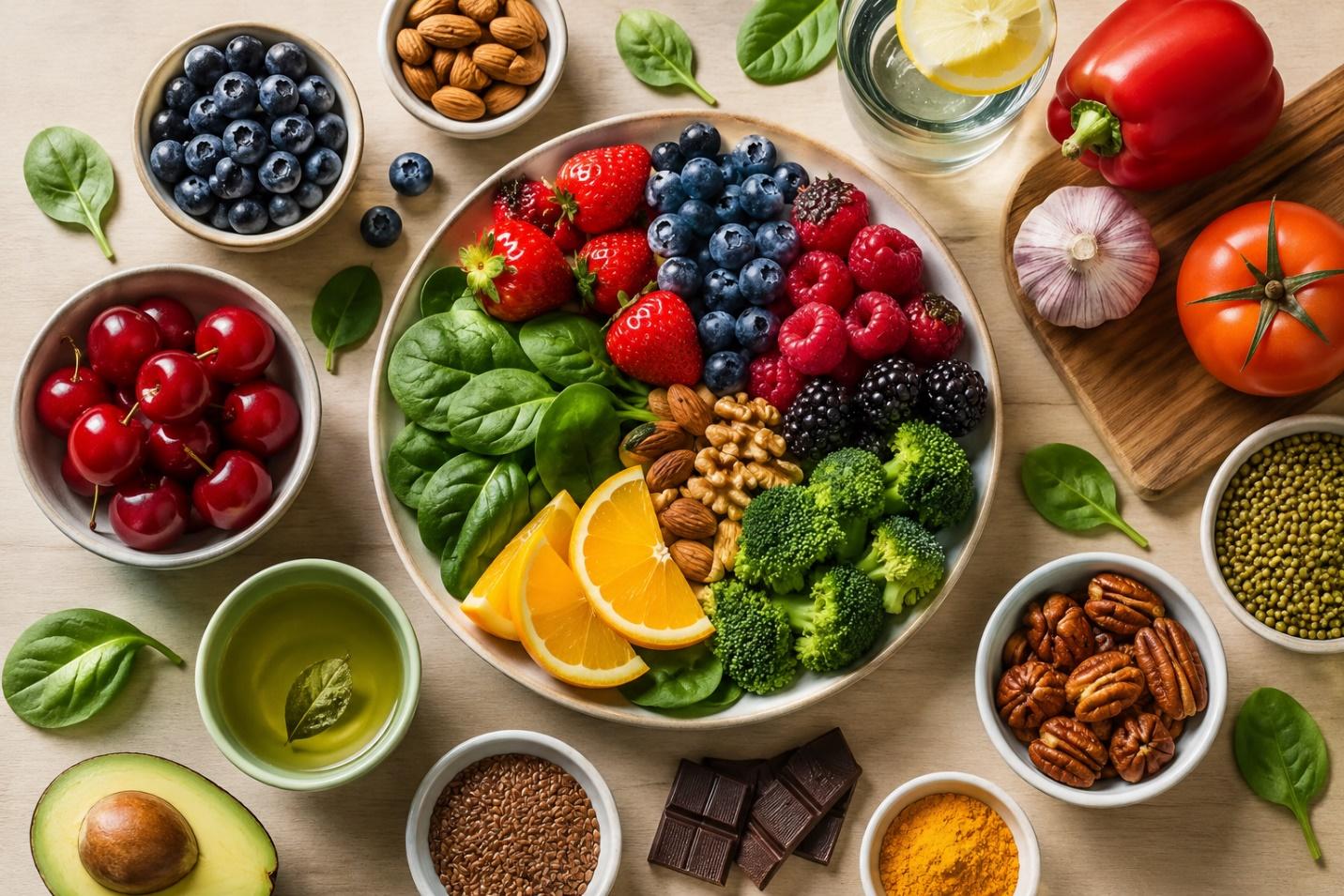
Improving your antioxidant intake doesn't require major dietary changes.
1. Eat More Colors
Aim for multiple colors on your plate every day.
Examples include:
2. Choose Fresh Fruits as Snacks
Replace processed snacks with:
3. Include Vegetables in Every Meal
Try adding:
4. Drink Green Tea
Replacing one sugary drink with green tea can provide beneficial plant compounds.
5. Cook with Herbs and Spices
Many herbs and spices are naturally rich in antioxidants.
Examples:
Can You Get Too Many Antioxidants?
While antioxidants from whole foods are generally considered safe and beneficial, more isn't always better.
High-dose antioxidant supplements may not provide the same benefits as eating antioxidant-rich foods and, in some situations, could interfere with certain medications or medical treatments.
For most people, the best approach is to obtain antioxidants through a balanced, varied diet. If you're considering supplements, consult a qualified healthcare professional first.
Key Takeaways
Frequently Asked Questions (FAQs)
1. What are antioxidants and why are they important?
Antioxidants are natural compounds that protect the body's cells from damage caused by free radicals. They help reduce oxidative stress and support overall health.
2. Which foods are highest in antioxidants?
Some of the richest sources include berries, spinach, kale, broccoli, tomatoes, green tea, dark chocolate, nuts, seeds, and colorful fruits and vegetables.
3. Are antioxidant supplements better than food?
No. Most experts recommend getting antioxidants from whole foods because they provide a combination of vitamins, minerals, fiber, and beneficial plant compounds that work together.
4. Can antioxidants help prevent disease?
A diet rich in antioxidant-containing foods is associated with better overall health and may help lower the risk of certain chronic diseases as part of a healthy lifestyle. However, antioxidants alone do not prevent or cure diseases.
5. How can I naturally increase my antioxidant intake?
Eat a wide variety of colorful fruits and vegetables, choose whole grains, snack on nuts and seeds, drink green tea, and use herbs and spices in everyday cooking.
6. What is oxidative stress?
Oxidative stress occurs when there are more free radicals than antioxidants in the body, leading to potential damage to cells, proteins, and DNA over time.
7. Which vitamin is considered the most powerful antioxidant?
There isn't a single "most powerful" antioxidant. Vitamins C and E, beta-carotene, selenium, and various plant compounds such as polyphenols all play unique and complementary roles in protecting the body.
8. Should everyone eat antioxidant-rich foods daily?
Yes. Most healthy dietary guidelines recommend consuming a variety of antioxidant-rich fruits, vegetables, legumes, whole grains, nuts, and seeds every day to support overall health and wellness.
Final Thoughts
Healthy nutrition goes beyond counting calories—it involves choosing foods that nourish and protect your body. Antioxidants are an essential part of this approach, helping reduce oxidative stress while supporting long-term health through everyday food choices. By regularly including colorful fruits, vegetables, whole grains, nuts, seeds, and other antioxidant-rich foods in your meals, you can build a diet that promotes overall well-being.
For dietitians and nutrition professionals who create personalized nutrition plans, having the right digital tools can make nutrition counseling more efficient and evidence-based. Dytoclick helps simplify diet planning, client management, and personalized nutrition workflows, allowing professionals to design practical meal plans that naturally incorporate antioxidant-rich foods based on individual health goals. Learn more at Dytoclick and discover how technology can support smarter, more personalized nutrition care.