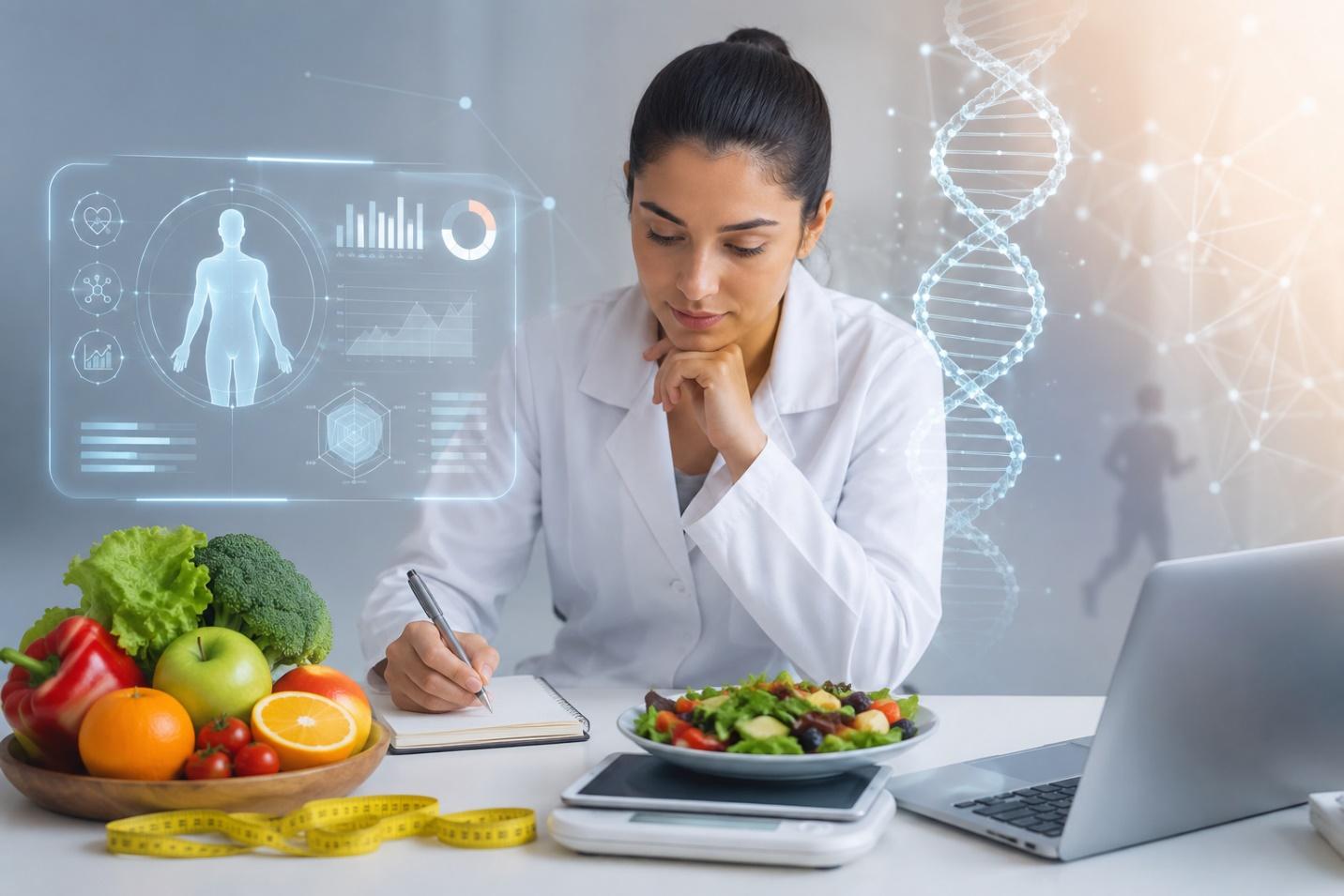
Healthy eating is no longer just about counting calories or following the latest food trend. Today, nutrition is becoming smarter, more personalized, and backed by meaningful information. This is where data-driven diets come into play.
A data-driven diet focuses on understanding the individual before recommending what to eat. By using health assessments, dietary habits, activity levels, and progress tracking, nutrition professionals can develop plans that are better suited to each person's unique needs. Instead of making broad recommendations, they can make informed decisions that are practical, flexible, and easier to maintain.
Whether your goal is improving wellness, managing a health condition, or building healthier habits, data-driven nutrition provides a more informed path forward.
What Are Data-Driven Diets?
A data-driven diet is a nutrition strategy that relies on personal health information and continuous evaluation to guide dietary decisions. Rather than offering the same advice to everyone, it uses individual data to support personalized nutrition planning.
The information may include:
This approach allows recommendations to evolve as a person's health and lifestyle change.
Why Personalized Data Makes a Difference
Every person has different nutritional needs. Factors like age, metabolism, medical history, sleep quality, stress, and daily routine all influence how the body responds to food.
Using personalized data helps nutrition professionals:
The result is nutrition guidance that is both practical and relevant.
Key Components of a Data-Driven Diet
Comprehensive Nutrition Assessment
The journey begins with collecting detailed information about the client's health, dietary patterns, and lifestyle.
Personalized Meal Planning
Instead of generic plans, meal recommendations are tailored to the individual's preferences, health conditions, and objectives.
Continuous Monitoring
Tracking changes such as weight, dietary adherence, symptoms, or body composition helps evaluate whether the plan is working.
Regular Plan Adjustments
Nutrition isn't static. As goals or health conditions change, the diet plan should be updated to reflect new needs.
How Technology Supports Data-Driven Nutrition
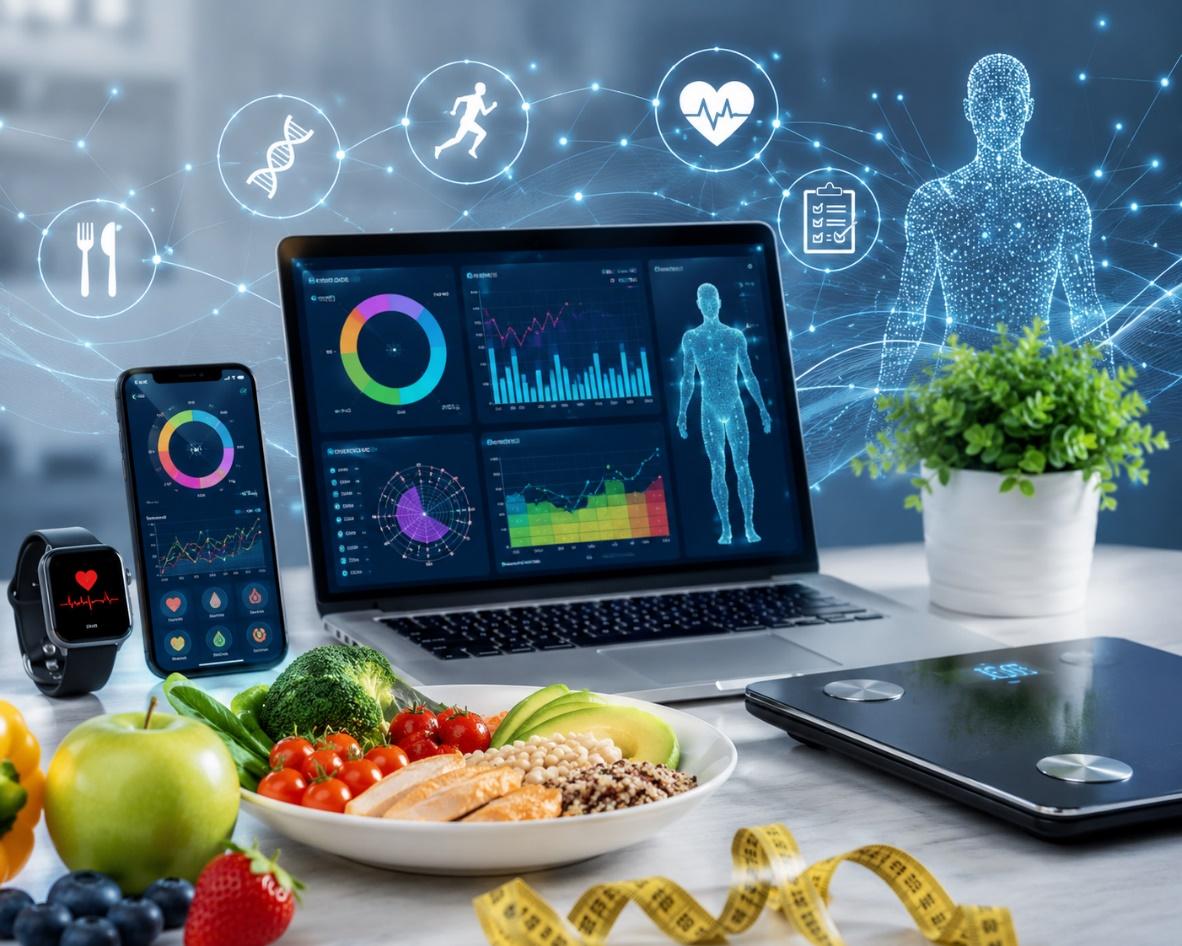
Digital solutions have transformed the way dietitians manage nutrition care. Instead of relying on scattered notes or manual calculations, professionals can use technology to organize client information and improve efficiency.
Modern nutrition platforms help with:
These tools allow nutrition professionals to focus more on personalized care and less on administrative tasks.
Bringing Data-Driven Diets into Daily Practice
Adopting a data-driven approach doesn't have to be complicated. A simple process can make nutrition care more effective: 1. Gather accurate client information. 2. Evaluate nutritional status and health goals. 3. Design an individualized nutrition plan. 4. Monitor outcomes during follow-up visits. 5. Refine recommendations using updated data.
Over time, this continuous cycle supports better client engagement and long-term success.
How Dytoclick Helps Nutrition Professionals
Delivering personalized nutrition requires both expertise and efficient workflow management. Dytoclick supports dietitians by simplifying client assessments, personalized diet planning, progress monitoring, and follow-up management in one digital platform.
By reducing manual work, Dytoclick enables professionals to spend more time building meaningful client relationships while delivering data-driven nutrition care.
Key Takeaways
Frequently Asked Questions (FAQs)
1. What is a data-driven diet?
A data-driven diet uses personal health and lifestyle information to create individualized nutrition recommendations instead of relying on general diet plans.
2. Why are data-driven diets becoming more popular?
They provide personalized nutrition advice, improve decision-making, and help professionals adapt recommendations as health needs change.
3. What information is used to create a data-driven diet?
Dietitians may consider body measurements, medical history, eating habits, physical activity, nutrition goals, and ongoing progress data.
4. Can data-driven diets support people with chronic health conditions?
Yes. Personalized nutrition planning can help professionals tailor dietary recommendations for individuals managing conditions such as diabetes, hypertension, or obesity.
5. How often should a data-driven nutrition plan be updated?
It should be reviewed regularly, especially after follow-up consultations, health changes, or when new goals are established.
6. How does technology improve data-driven nutrition?
Technology helps organize client records, streamline diet planning, monitor progress, automate follow-ups, and improve workflow efficiency.
7. Is a data-driven diet suitable for healthy individuals?
Absolutely. Even people without medical conditions can benefit from personalized nutrition plans that align with their lifestyle, wellness goals, and long-term health.