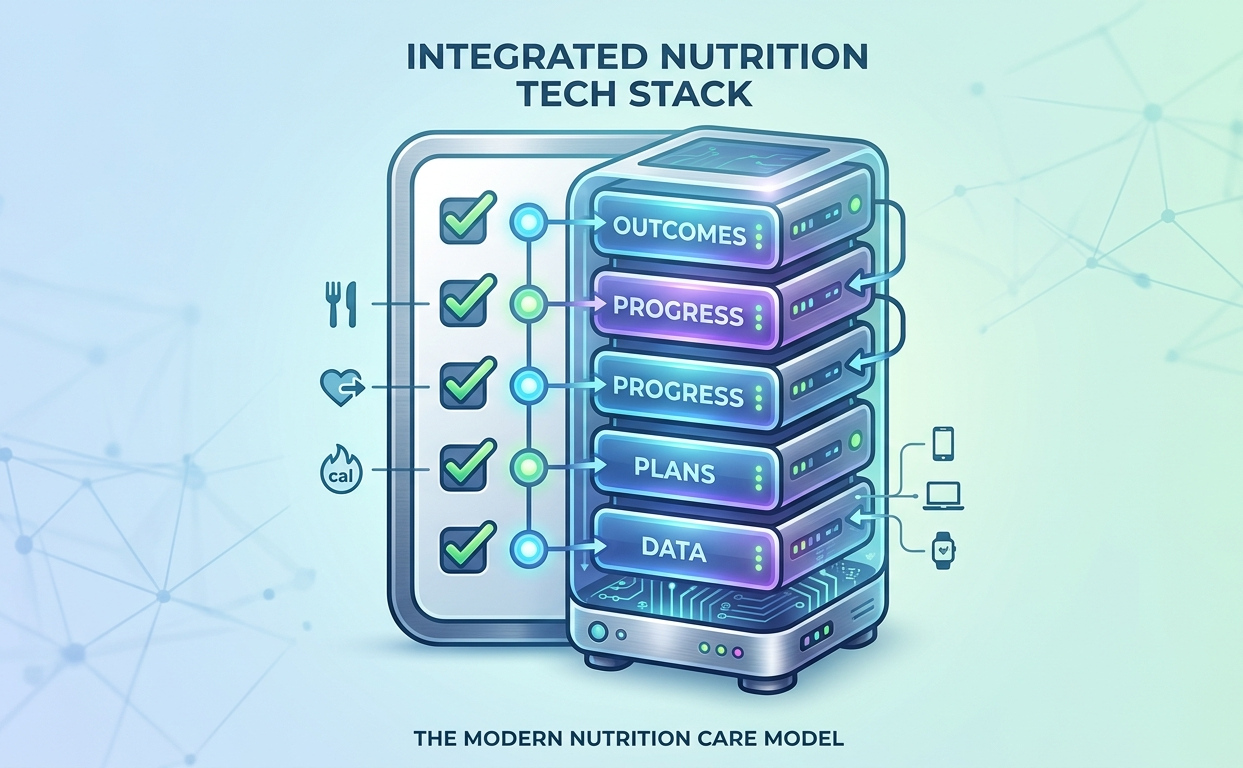
Nutrition care is undergoing a transformation. What was once a checklist of tasks—diet plans, calorie counts, and occasional follow-ups—is evolving into an integrated digital ecosystem. Today, nutrition is increasingly supported by interconnected technologies that work together like a tech stack, enabling continuous, personalized, and data-driven care.
Below are key points explaining this shift.
From Static Advice to Dynamic, Data-Driven Care
Traditional nutrition care relied heavily on one-time consultations and static diet charts. Now, digital tools collect real-time health data such as physical activity, sleep, glucose levels, and food intake.
This constant stream of information allows nutrition professionals to adjust recommendations dynamically, making nutrition care responsive rather than reactive.
Wearables and Health Tracking Devices
Wearable technology has become a core layer of the nutrition tech stack. Devices like smartwatches and fitness trackers monitor steps, heart rate, calories burned, and sleep patterns.
These insights help dietitians and health coaches understand how lifestyle behaviors influence nutrition outcomes. Instead of guessing, professionals can analyze objective data to tailor recommendations.
AI-Powered Food Logging and Analysis
Logging meals used to be tedious and inaccurate. Modern tools now use AI image recognition, barcode scanning, and automated nutrient databases to simplify food tracking.
This technology reduces friction for users while improving the accuracy of dietary analysis, enabling faster feedback and better long-term adherence.
Personalized Nutrition Through Data Integration
A tech stack approach integrates multiple data sources—health records, lab results, genetic insights, and lifestyle data.
By combining these inputs, nutrition platforms can deliver hyper-personalized dietary guidance. For example, meal recommendations may adapt based on metabolic markers, allergies, or blood sugar responses.
Continuous Engagement Instead of Occasional Visits
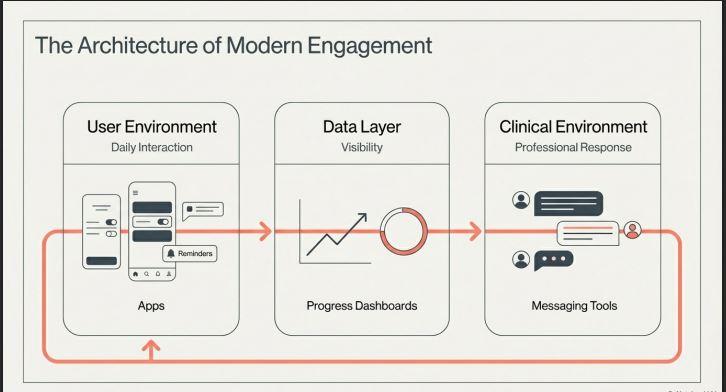
Previously, nutrition care often ended after a consultation. Today, apps, reminders, progress dashboards, and messaging tools keep users engaged daily.
This ongoing connection allows professionals to track progress, provide timely nudges, and intervene early when habits begin to slip.
Telehealth and Remote Nutrition Coaching
Digital platforms now allow dietitians to consult, monitor, and guide patients remotely.
Telehealth removes geographical barriers, making nutrition support accessible to more people. It also enables frequent micro-interactions, such as quick check-ins, feedback on meals, or adjustments to diet plans.
Integration with Broader Healthcare Systems
Nutrition is increasingly recognized as a critical part of healthcare. Modern platforms integrate with electronic health records, pharmacy data, and chronic disease management systems.
This connectivity allows nutrition professionals to coordinate care with doctors, fitness trainers, and mental health experts, creating a more holistic approach to wellbeing.
Behavioral Science Built into Platforms
Technology is not only tracking behavior but also shaping it. Many nutrition platforms incorporate behavioral science techniques such as habit tracking, goal setting, and gamification.
These features help users stay motivated and transform short-term diet changes into sustainable lifestyle habits.
Scalability and Population Health Impact
A tech-enabled approach allows nutrition care to scale beyond individual consultations. Digital platforms can deliver personalized guidance to large populations simultaneously, which is particularly valuable for public health initiatives and corporate wellness programs.
The Future: Nutrition as a Digital Ecosystem
The shift toward a nutrition tech stack signals a broader change in how health support is delivered. Instead of isolated actions, nutrition care now operates as a connected system of tools, data, and expertise.
As technologies continue to evolve—through artificial intelligence, biosensors, and predictive analytics—nutrition care will become even more proactive, precise, and integrated into everyday life.
What does it mean that nutrition care is becoming a "tech stack"?
It means nutrition care is now supported by a combination of digital tools such as health apps, wearable devices, AI-powered food tracking, telehealth platforms, and data analytics systems. Instead of relying only on manual diet plans, these technologies work together to deliver continuous, personalized nutrition guidance.
How do wearable devices improve nutrition care?
Wearable devices track metrics like physical activity, heart rate, sleep patterns, and calorie expenditure. This data helps nutrition professionals understand a person's lifestyle and make more accurate dietary recommendations based on real-time health insights.
Can technology provide personalized nutrition recommendations?
Yes. Modern nutrition platforms combine data from multiple sources—such as food logs, health records, lab tests, and lifestyle habits—to generate personalized dietary suggestions. This allows nutrition plans to adapt to individual health goals, metabolic responses, and medical conditions.
technology replace dietitians and nutrition professionals?
No. Technology supports nutrition professionals rather than replacing them. Digital tools help collect and analyze data, but dietitians and healthcare experts interpret the information, provide expert guidance, and design strategies tailored to each individual's needs.
Nutrition care is no longer just a list of dietary tasks to follow. It is becoming a layered digital ecosystem that blends technology, data, and human expertise. This shift from a to-do list to a tech stack has the potential to make nutrition guidance more personalized, accessible, and effective than ever before.
Platforms like Dytoclickenhance this approach by enabling dietitians to create customized nutrition plans, track client progress, and access reliable expert knowledge—all in one place. By combining technology with education, Dytoclick empowers professionals to deliver informed, holistic nutrition support that benefits both physical and mental well-being.