In an era where personalization, speed, and accuracy define healthcare success, nutrition professionals are under constant pressure to deliver better outcomes while managing growing workloads. Intuitive AI tools are reshaping modern nutrition practice by simplifying daily operations, improving decision-making, and enhancing client engagement. Below is a structured, blog-style breakdown of how AI is becoming a productivity powerhouse for dietitians and nutrition experts.
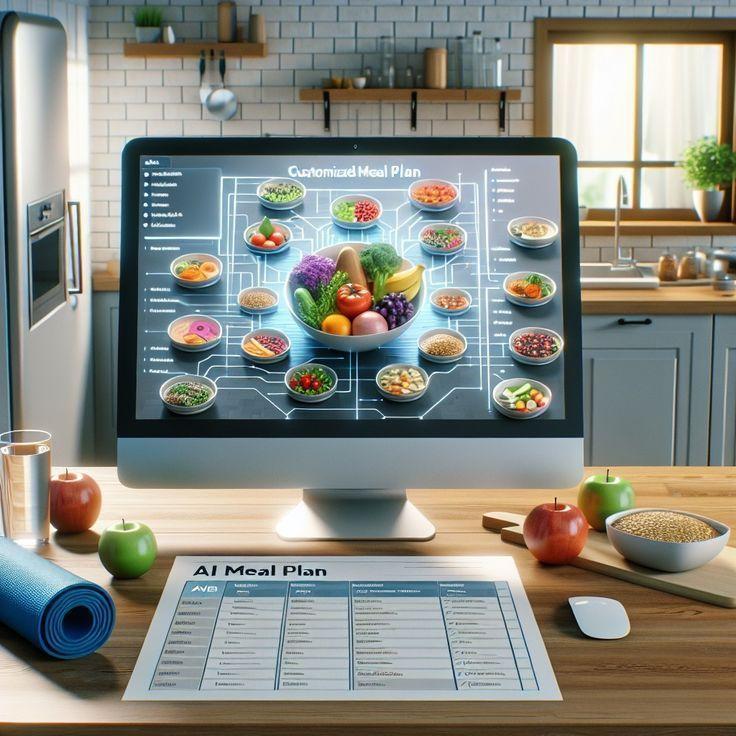
Key Ways AI Tools Improve Productivity in Nutrition Practice
Automates Repetitive Administrative Tasks
AI significantly reduces time spent on non-clinical work such as:
Client intake processing
Nutrient calculations and goal setting
Meal plan creation and documentation
This allows professionals to dedicate more time to counseling and strategy rather than paperwork.
Enhances Accuracy in Dietary Analysis
AI-powered systems can analyze food logs, images, and tracking data to:
Detect nutrient deficiencies or excesses
Identify dietary patterns and trends
Compare intake with clinical guidelines
This leads to faster and more precise assessments.
Enables Highly Personalized Nutrition Plans
Using data-driven insights, AI customizes recommendations based on:
Health conditions and medical history
Lifestyle habits and food preferences
Cultural and behavioral factors
Personalized plans improve client compliance and long-term success.
Improves Client Engagement & Follow-Ups
AI helps maintain continuous client support through:
Automated reminders and notifications
Progress tracking dashboards
Smart alerts for low adherence or stalled progress
Consistent engagement increases accountability and motivation.
Supports Evidence-Based Practice
AI tools can quickly summarize nutrition research and guidelines, helping professionals:
Stay updated with current science
Make confident, evidence-backed decisions
Reduce time spent searching academic sources
Simplifies Reporting and Communication
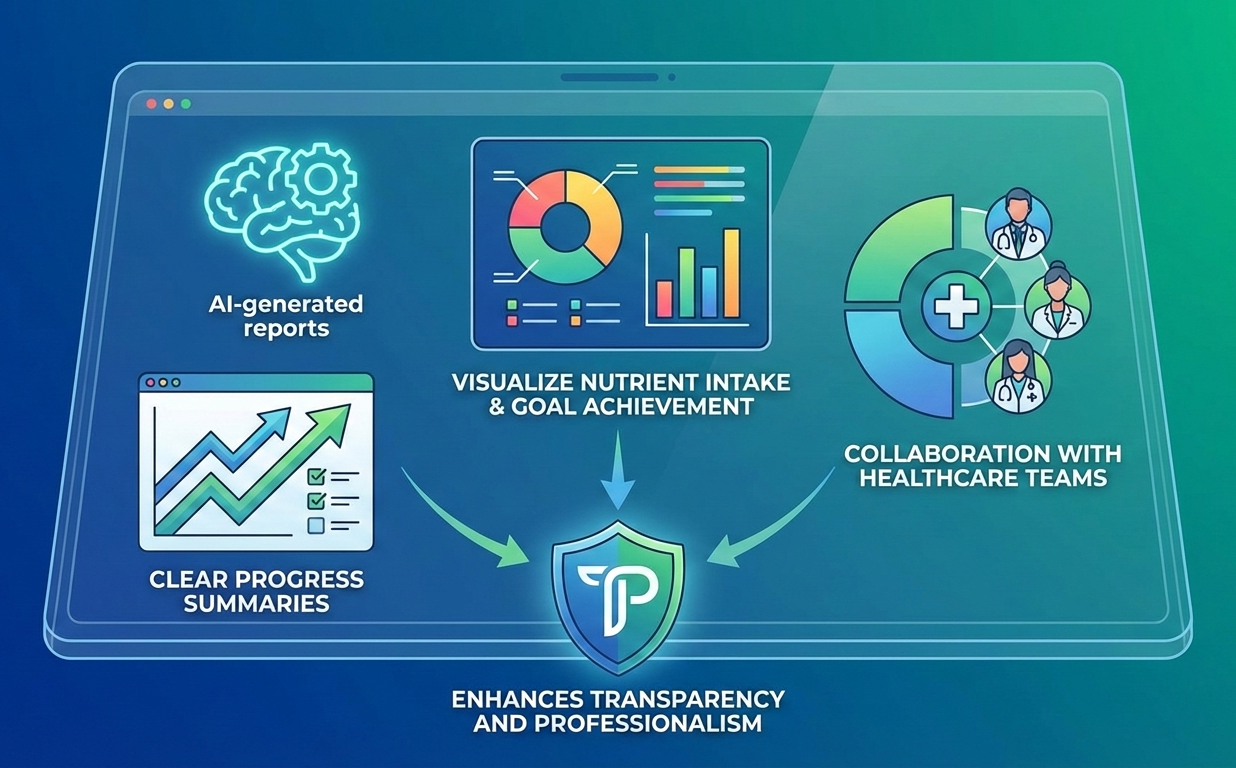
With AI-generated reports, nutrition professionals can:
Share clear progress summaries
Visualize nutrient intake and goal achievement
Improve collaboration with healthcare teams
This enhances transparency and professionalism.
Scales Practice Without Compromising Care
By automating workflows and improving efficiency, AI enables:
Management of more clients with ease
Consistent quality across consultations
Reduced burnout and better work-life balance
How do AI tools improve client engagement and follow-ups?
AI enables automated reminders, progress tracking dashboards, and smart alerts, helping clients stay accountable and motivated between consultations.
Can AI tools support evidence-based nutrition practice?
Yes. AI quickly summarizes current research and clinical guidelines, allowing professionals to make faster, informed, and evidence-backed decisions.
AI tools help scale a nutrition practice effectively?
Absolutely. By automating workflows and improving efficiency, AI allows practitioners to manage more clients without compromising the quality of care.
Can AI reduce burnout for nutrition professionals?
Yes. By minimizing repetitive tasks and streamlining workflows, AI helps reduce workload stress and supports better work-life balance.
Final Takeaway
Integrating intuitive AI tools into nutrition practice is now a practical way to boost productivity and enhance client-centered care. Dytoclick supports this shift by offering dietitians an all-in-one platform for personalized nutrition planning, efficient client management, and access to expert nutrition knowledge—empowering professionals to deliver informed, high-quality care that supports both physical and mental well-being.