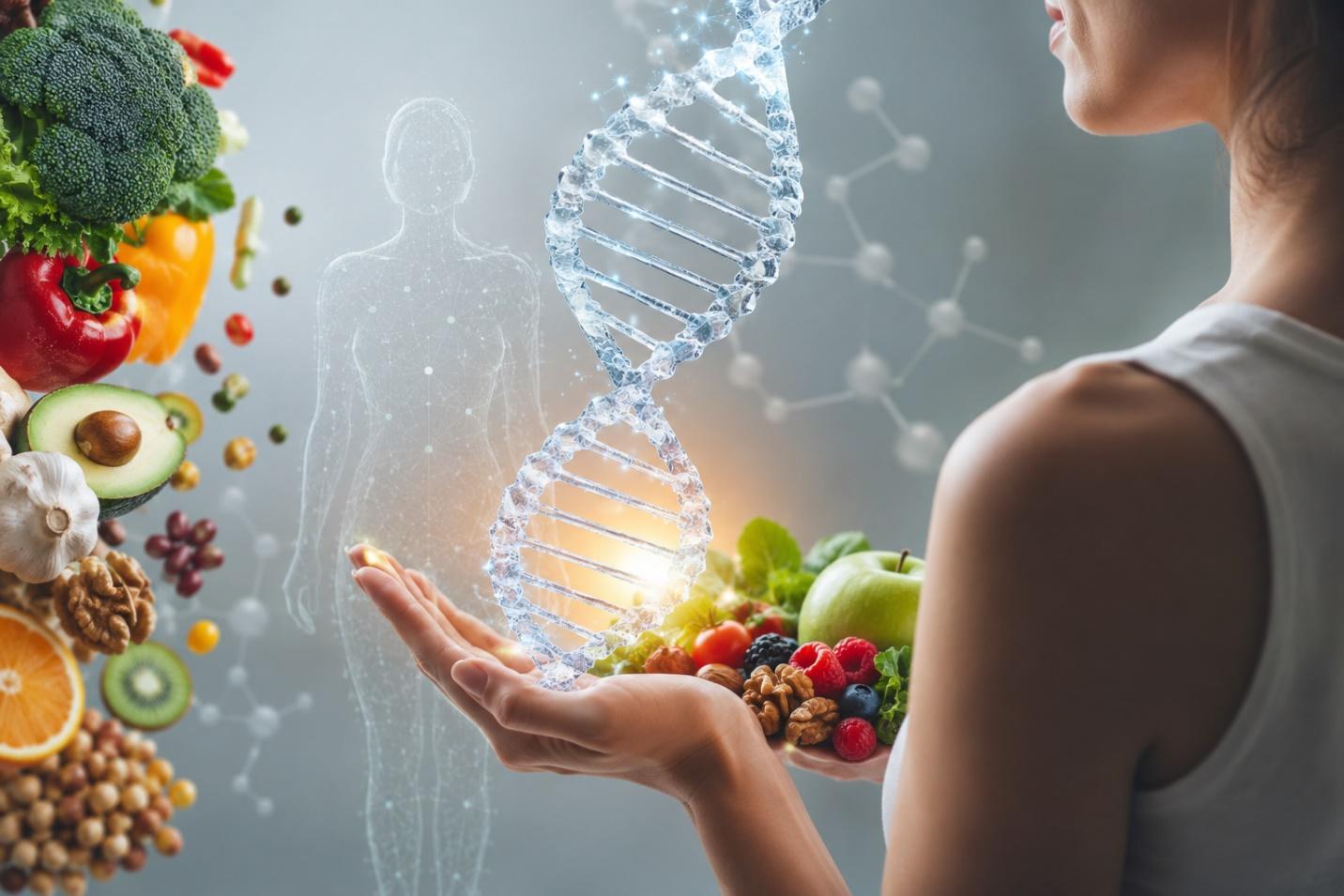
For years, nutrition advice has often followed a universal approach—eat more vegetables, reduce added sugar, exercise regularly, and stay hydrated. While these recommendations are valuable, they don't explain why two people following the same diet can experience completely different results.
One person may lose weight quickly, another may struggle despite consistent effort. Some individuals thrive on a high-protein diet, while others feel better with a balanced intake of carbohydrates. These differences have sparked growing interest in nutrigenomics, a field that explores the relationship between our genes and the foods we eat.
Rather than replacing traditional nutrition, nutrigenomics adds another layer of understanding, helping dietitians design nutrition plans that are more personalized and effective.
What Makes Nutrigenomics Different from Traditional Nutrition?
Traditional nutrition is based on scientific guidelines developed for the general population. Nutrigenomics takes a more individualized approach by considering how genetic differences may influence the body's response to nutrients.
Instead of asking, "What is the best diet?", nutrigenomics asks:
This personalized perspective helps move nutrition beyond generic recommendations.
The Science Behind Genes and Nutrient Interactions
Every person inherits thousands of genes that influence various biological functions. Although our genes remain largely unchanged throughout life, their activity can be influenced by environmental factors—including nutrition.
Researchers study how nutrients interact with genes to understand how diet may affect processes such as:
These interactions may explain why nutritional needs vary from person to person.
Everyday Examples of Nutrigenomics
Although nutrigenomics sounds highly technical, its concepts can be seen in everyday life.
Caffeine Sensitivity
Some people can drink several cups of coffee without difficulty, while others experience rapid heartbeat or trouble sleeping after just one cup. Genetics may partly explain these differences.
Lactose Intolerance
Many adults naturally produce less lactase, the enzyme required to digest lactose. Genetic variations influence whether dairy products are well tolerated.
Vitamin Requirements
Certain individuals may require higher amounts of nutrients such as vitamin D or folate because of differences in how their bodies utilize these vitamins.
These examples highlight why nutrition recommendations are becoming increasingly personalized.
Who Can Benefit from Nutrigenomics?
Nutrigenomics has applications across many areas of health and wellness.
It may be useful for:
Dietitians can use genetic information alongside clinical assessments to provide more individualized recommendations.
Common Myths About Nutrigenomics
Myth 1: Your genes determine your destiny. Reality: Genes influence health, but lifestyle, physical activity, sleep, stress management, and dietary habits all play significant roles.
Myth 2: A DNA test can create the perfect diet. Reality: Genetic information is only one part of nutrition planning. Medical history, laboratory values, food preferences, and health goals remain equally important.
Myth 3: Nutrigenomics replaces professional nutrition advice. Reality: Genetic reports should be interpreted by qualified healthcare professionals who understand both nutrition science and genetics.
Ethical Considerations and Current Challenges
As nutrigenomics continues to grow, several important challenges remain.
These include:
Researchers continue to refine our understanding of gene–diet interactions, making this an exciting and rapidly evolving field.
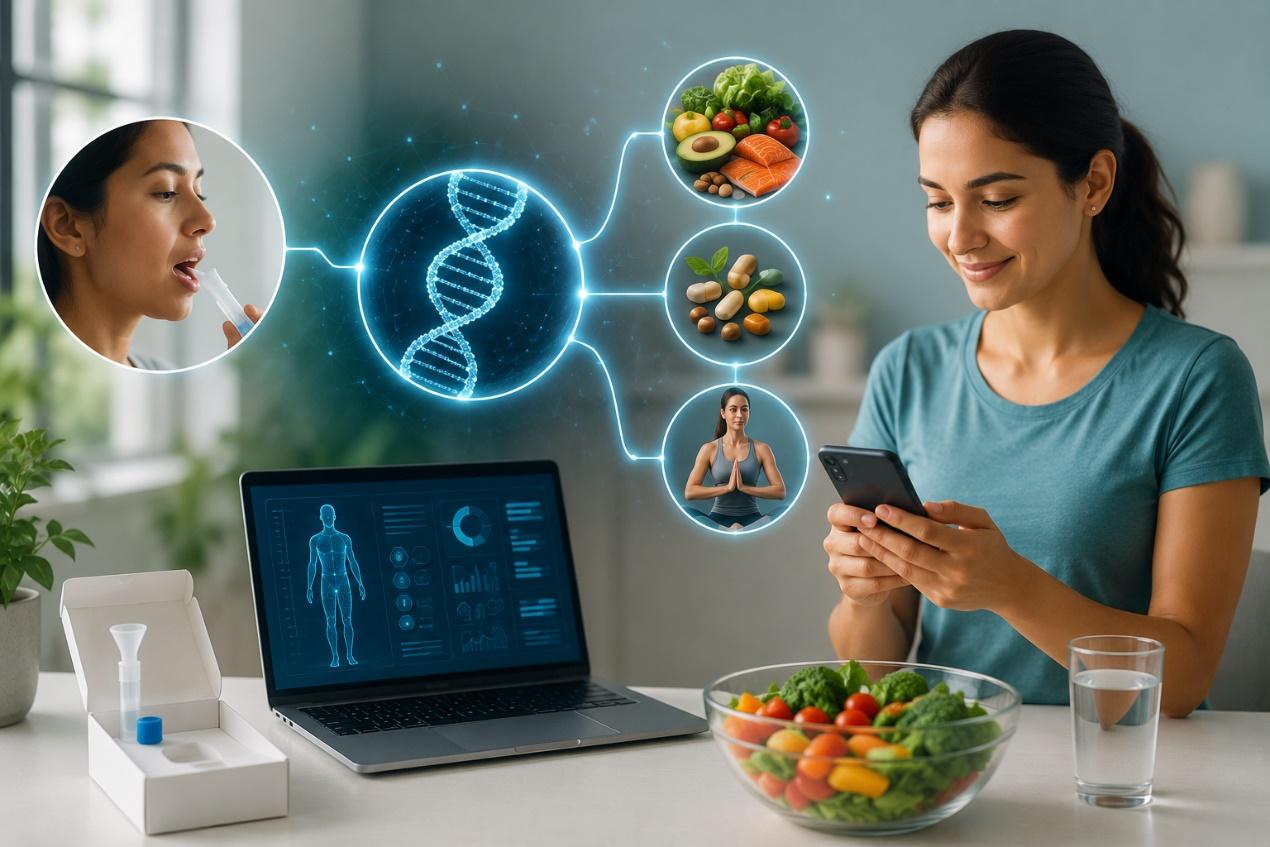
How Technology Is Making Nutrigenomics More Accessible
Advances in digital healthcare are helping nutrition professionals manage increasingly personalized care.
Modern nutrition software can simplify tasks such as:
When combined with evidence-based genetic insights, these digital tools improve both efficiency and client experience.
The Future of Nutrigenomics
Scientists believe personalized nutrition will become an increasingly important part of preventive healthcare.
Future developments may include:
While more research is still needed, nutrigenomics has the potential to make nutrition care more precise and individualized.
Key Takeaways
Frequently Asked Questions (FAQ)
1. What is nutrigenomics in simple terms?
Nutrigenomics is the study of how nutrients interact with genes and how these interactions influence health, metabolism, and disease risk.
2. Is nutrigenomics the same as genetic testing?
No. Genetic testing provides information about DNA variations, while nutrigenomics uses that information alongside nutrition science to develop personalized dietary recommendations.
3. Can nutrigenomics improve overall health?
It may help healthcare professionals design more personalized nutrition strategies that support better health outcomes when combined with healthy lifestyle habits.
4. Who should consider nutrigenomics?
People interested in personalized nutrition, preventive healthcare, sports nutrition, weight management, or chronic disease prevention may benefit from nutrigenomics-based guidance.
5. Does everyone respond differently to the same foods?
Yes. Genetics, age, gut microbiome, lifestyle, medical history, and physical activity all contribute to individual responses to food.
6. Is nutrigenomics widely used today?
The field is growing rapidly, particularly in clinical nutrition, wellness programs, and preventive healthcare, although research continues to expand.
7. How can dietitians use nutrigenomics in practice?
Dietitians can combine genetic insights with nutrition assessments, laboratory results, and client goals to create evidence-based, individualized nutrition plans.
Final Thoughts
Nutrigenomics represents an exciting shift toward more personalized nutrition care. Instead of relying solely on general dietary advice, healthcare professionals can consider genetic, clinical, and lifestyle factors to create recommendations that better meet each individual's unique needs. As research advances, nutrigenomics is expected to play an increasingly valuable role in preventive healthcare and chronic disease management.
To deliver personalized nutrition efficiently, dietitians also need smart digital solutions. Dytoclick helps nutrition professionals streamline client assessments, build customized diet plans, monitor progress, and manage follow-ups from one platform. By combining evidence-based nutrition practices with modern technology, Dytoclick enables dietitians to provide more organized, personalized, and effective nutrition care.