Nutrigenomics is transforming the way clinical nutrition is practiced by uncovering how genetic variations influence an individual's response to food and nutrients. This science-driven approach marks a shift from generalized dietary guidelines to precision nutrition, where interventions are customized based on genetic, biochemical, and lifestyle factors.
Key Applications of Nutrigenomics in Clinical Practice
Personalized Dietary Planning:
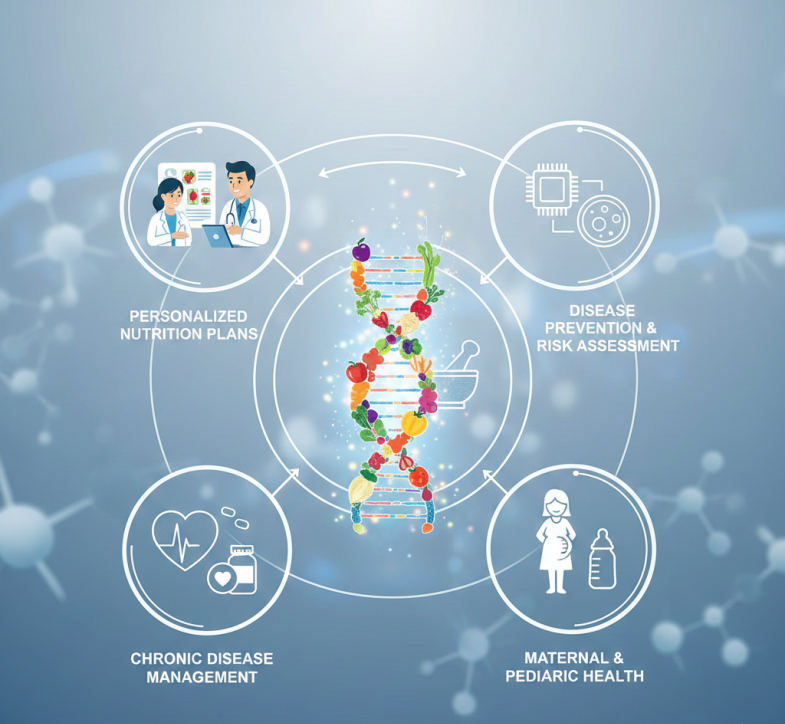
Genetic differences affect nutrient absorption, metabolism, and utilization. Nutrigenomics helps clinicians design diet plans tailored to individual needs—such as optimal carbohydrate tolerance, fat metabolism efficiency, and protein requirements—improving therapeutic effectiveness.
Improved Clinical Assessment:
When genetic insights are combined with anthropometry, biochemical markers, and clinical history, nutrition professionals gain a deeper understanding of disease risk and nutrient imbalances. This integrated assessment supports more accurate diagnosis and targeted nutrition therapy.
Chronic Disease Management:
Nutrigenomics plays a vital role in managing conditions like diabetes, obesity, cardiovascular disease, PCOS, gastrointestinal disorders, and micronutrient deficiencies. Gene-based insights help explain varied patient responses to standard diets and enable more precise interventions.
Enhanced Patient Compliance:
Personalized, gene-informed recommendations are more relatable and sustainable for patients. When individuals understand why a certain diet works for them, adherence improves, leading to better long-term outcomes.
Preventive Nutrition Strategies:
Genetic screening allows early identification of predispositions to metabolic disorders, inflammation, or nutrient deficiencies. Clinicians can implement preventive dietary strategies before disease onset, supporting long-term health optimization.
Integration With Digital Health Tools:
Advanced AI-powered nutrition platforms can integrate nutrigenomic data with lab reports, dietary patterns, and lifestyle factors. These tools enable efficient plan creation, real-time monitoring, and adaptive nutrition strategies while reducing manual workload for clinicians.
Evidence-Based Decision Making:
Nutrigenomics supports data-driven nutrition counseling, helping professionals move beyond trial-and-error approaches. Recommendations are grounded in genetic evidence, enhancing credibility and clinical confidence.
The Future of Precision Nutrition
As healthcare increasingly shifts toward personalized and preventive models, nutrigenomics will become an essential component of clinical nutrition practice. By bridging genetics, nutrition science, and technology, it empowers nutrition professionals to deliver targeted, patient-centered care.
What is nutrigenomics and why is it important in clinical practice?
Nutrigenomics studies how genetic variations influence nutrient metabolism and dietary responses. In clinical practice, it enables personalized nutrition strategies that improve accuracy, effectiveness, and patient outcomes.
Does nutrigenomics enhance personalized nutrition therapy?
By integrating genetic insights with clinical and biochemical data, nutrigenomics helps tailor diet plans to individual needs, reducing trial-and-error and improving long-term adherence.
Health conditions benefit most from nutrigenomics-based nutrition care?
Conditions such as diabetes, obesity, cardiovascular disease, PCOS, gastrointestinal disorders, and micronutrient deficiencies benefit significantly from nutrigenomics-driven precision nutrition.
Does nutrigenomics replace traditional nutrition assessment methods?
No. Nutrigenomics complements traditional assessments by adding a genetic layer of insight, enabling more comprehensive, evidence-based, and targeted nutrition interventions.
Final Thought
Nutrigenomics represents a new era of precision nutrition—one that enhances assessment accuracy, improves therapeutic outcomes, and supports sustainable lifestyle change. Integrating nutrigenomics into clinical practice enables nutrition professionals to provide smarter, more impactful, and future-ready nutrition care.
Dytoclick is innovative software designed specifically for dietitians, helping them create personalized nutrition plans and efficiently manage client progress. Along with its practical tools, Dytoclick also serves as a reliable knowledge platform, offering expert content on diet, nutrition, and health-related topics. By combining technology with education, Dytoclick empowers professionals to make informed dietary recommendations that support both physical and mental well-being.