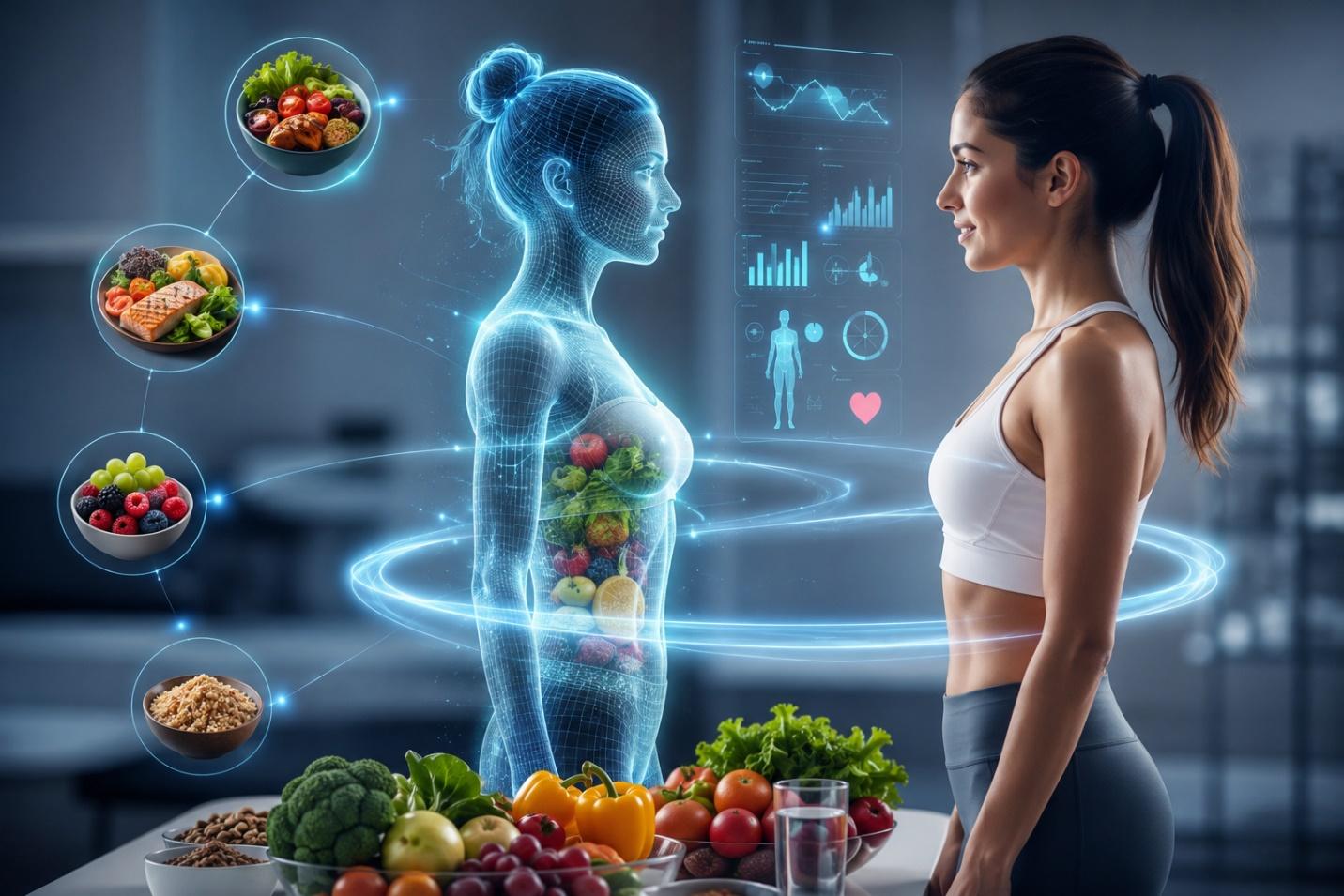
No two people respond to food in exactly the same way. A meal that helps one person maintain stable blood sugar or lose weight may have a completely different effect on someone else. That's why nutrition is moving beyond generic diet plans toward a more individualized approach.
Digital twin personalized nutrition combines artificial intelligence (AI), health data, and predictive modeling to create a dynamic digital representation of an individual's health. Instead of simply tracking progress, this virtual model helps nutrition professionals understand how lifestyle changes may influence future outcomes, enabling more informed and personalized nutrition decisions. This technology is emerging as an important tool in precision nutrition and preventive healthcare.
What Is Digital Twin Personalized Nutrition?
A digital twin is a continuously updated virtual model built from an individual's health information. Rather than serving as a static profile, it changes as new health data becomes available.
The model may include information such as:
By analyzing these factors together, AI can identify patterns and estimate how different nutrition strategies may influence future health outcomes.
Why Traditional Nutrition Plans Aren't Always Enough
General nutrition guidelines are valuable, but they cannot account for every individual's unique biology and lifestyle.
Factors that influence nutritional needs include:
Digital twin personalized nutrition helps bridge this gap by supporting recommendations based on individual data rather than population averages.
How Digital Twin Personalized Nutrition Works
1. Gather Comprehensive Health Information
The process starts with collecting relevant health data from assessments, laboratory tests, food records, and wearable devices.
2. Build a Virtual Health Model
AI organizes this information into a digital twin that reflects the individual's current health status.
3. Evaluate Possible Nutrition Strategies
Instead of relying on trial and error, the system can model potential responses to changes in:
4. Continuously Improve Recommendations
As new information is added, the digital twin evolves, allowing nutrition recommendations to become increasingly personalized over time.
Benefits for Nutrition Professionals
Digital twin technology can help dietitians and nutrition professionals:
Rather than replacing professional expertise, digital twins provide additional insights that support clinical judgment.
Supporting the Future of Personalized Nutrition
As nutrition care becomes increasingly digital, efficient practice management is equally important.
Dytoclick helps nutrition professionals simplify client assessments, organize records, create personalized diet plans, monitor progress, and manage follow-ups through a centralized digital platform. By streamlining everyday workflows, Dytoclick enables dietitians to spend more time delivering personalized care while preparing for future innovations in AI-driven nutrition. Its platform focuses on faster diet planning, personalized recommendations, and efficient client management for modern dietetic practice.
Frequently Asked Questions (FAQs)
1. What is digital twin personalized nutrition?
Digital twin personalized nutrition uses AI and personal health data to build a virtual model that helps predict how different nutrition and lifestyle choices may affect an individual's health.
2. How does a digital twin improve nutrition planning?
It analyzes multiple health factors together and helps nutrition professionals develop recommendations tailored to each person's unique health profile.
3. What information is used to create a digital twin?
Digital twins may include laboratory reports, dietary records, body measurements, physical activity, sleep data, wearable device information, medical history, and health goals.
4. Who can benefit from digital twin personalized nutrition?
It can benefit individuals seeking personalized nutrition support, preventive healthcare, chronic disease management, sports nutrition, and long-term wellness planning.
5. Is digital twin technology the same as a fitness tracker?
No. Fitness trackers collect health data, while a digital twin analyzes multiple data sources together to generate predictive insights and personalized nutrition recommendations.
6. Can digital twin personalized nutrition replace a dietitian?
No. It is a decision-support technology that complements the expertise of qualified dietitians rather than replacing professional assessment and counselling.
7. Why is digital twin personalized nutrition considered the future of healthcare?
Because it enables more proactive, individualized, and data-driven nutrition care by continuously adapting recommendations as a person's health changes over time.