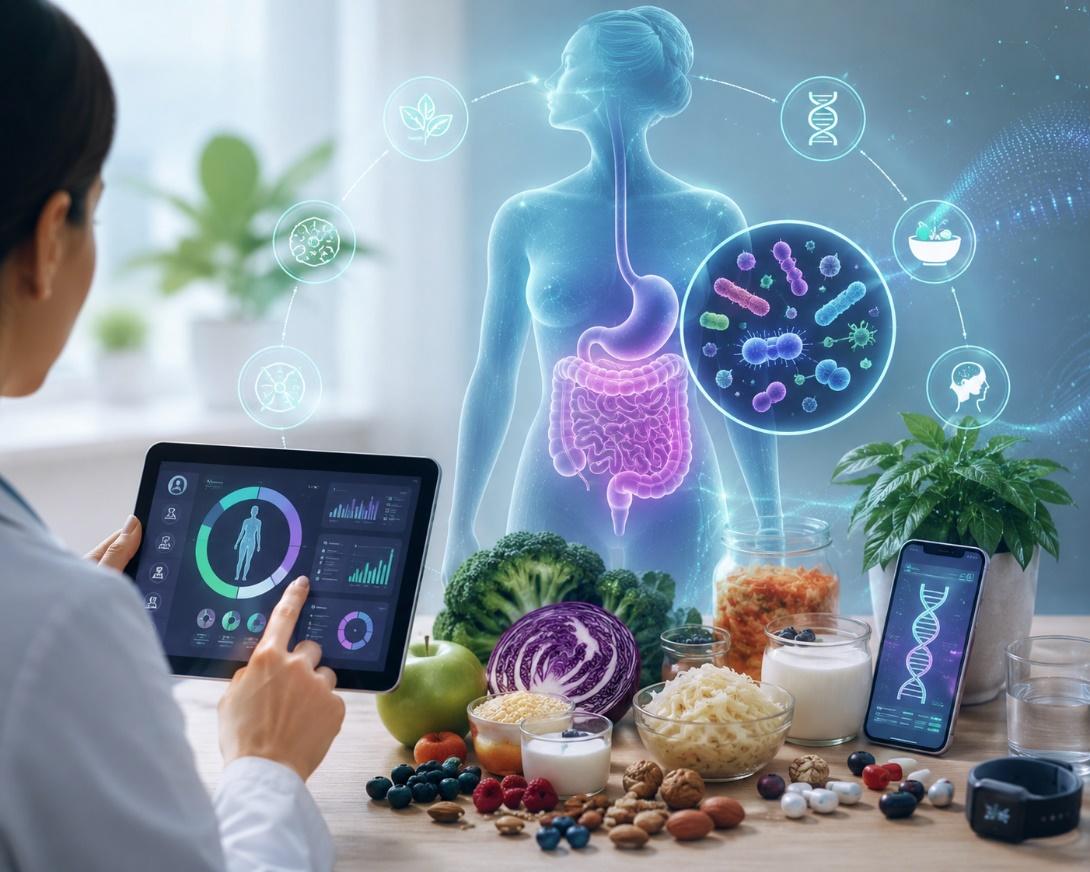
In recent years, the intersection of technology and healthcare has shifted clinical nutrition from broad, generalized dietary guidelines to exact, data-driven interventions. At the forefront of this revolution is digital nutrition care, a modern clinical framework where advanced software platforms and gut microbiome science merge to deliver tailored dietary therapy. Modern research increasingly confirms that the trillions of microorganisms residing in the human gastrointestinal tract play a critical role in metabolic balance, immune system modulation, and overall well-being. Consequently, healthcare practitioners are turning away from generic meal advice and embracing precision dietetics to address root causes rather than temporary symptoms.
By harnessing gut health technology and data-backed analytics, practitioners can now translate intricate biological findings into actionable daily nutrition protocols. This evolutionary step is redefining how dietitians and nutrition professionals approach digestive disorders, metabolic diseases, and long-term wellness.
The Intersection of Microbiome Science and Digital Nutrition
The human gut ecosystem is entirely unique to each individual. Factors such as genetics, stress, antibiotic history, sleep architecture, and geographic environment shape the composition of an individual's gut microbiota. Standard dietary recommendations—such as high-fiber plans or basic calorie restriction—often fail because they treat every biological system as identical. What serves as a nourishing fiber source for one person may cause severe inflammation, gas, or pain in a patient experiencing gut dysbiosis.
This is where microbiome-based nutrition fundamentally changes clinical strategy. By examining specific microbial populations, clinical practitioners can determine which bacterial strains are dominant, which are depleted, and how metabolic byproducts like short-chain fatty acids (SCFAs) are impacting gut lining integrity.
However, translating complex microbial analysis into practical daily diets presents a significant challenge for healthcare providers. Raw microbiome data includes thousands of variable inputs that can easily overwhelm traditional manual diet creation methods. Integrating clinical nutrition software simplifies this process, converting vast biological datasets into clear dietary directives. Through specialized platforms, clinicians can quickly match specific food groups, prebiotic fibers, and targeted nutrient ratios to an individual's biological needs. This seamless synthesis of biology and technology forms the core foundation of digital health therapeutics in modern nutrition care.
How Technology Delivers Precision Dietetics in Clinical Practice
Delivering true personalized gut health interventions requires speed, accuracy, and continuous monitoring. Traditional workflows relying on pen, paper, or static spread-sheets make tracking dynamic gut recovery slow and inefficient. Utilizing a dedicated digital dietetics platform allows clinical practitioners to eliminate administrative bottlenecks and elevate the level of care delivered to patients.
1. Data Processing and Dynamic Personalization
When addressing complex gastrointestinal conditions, static diet plans quickly become outdated. A patient recovering from an active inflammatory episode requires different nutrient ratios than someone maintaining stable digestive health. Modern personalized nutrition software allows dietitians to adjust food protocols based on real-time feedback, shifting nutrient recommendations as inflammation subsides or bowel function normalizes.
2. Algorithmic Precision and AI Care Integration
Integrating AI nutrition care into daily workflows allows clinicians to generate detailed meal structures without investing hours in manual calculations. Algorithmic software rapidly maps targeted nutrients, caloric targets, and specific prebiotic ingredients against a patient's medical history. This approach ensures that every recommended meal serves a clear therapeutic purpose while respecting medical constraints, food allergies, and personal preferences.
3. Comprehensive Patient Tracking and Adherence
Sustained gut healing requires consistent patient engagement. Digital platforms bridge the communication gap between clinical consultations by offering continuous oversight. Through digital tracking, dietitians monitor symptom variations, stool patterns, and dietary compliance, making timely adjustments before minor digestive issues turn into severe flare-ups.
Addressing Complex Gastrointestinal Conditions with Targeted Nutrition
Applying microbiome nutrition within a structured digital workflow significantly improves clinical outcomes across various complex conditions. Gastrointestinal and metabolic disorders require careful dietary calibration, which modern tools manage with high accuracy.
Irritable Bowel Syndrome (IBS) and Inflammatory Bowel Disease (IBD)
Managing conditions like IBS, Ulcerative Colitis, and Crohn's disease demands strict precision. A sudden increase in certain fermentable carbohydrates can trigger severe discomfort or tissue inflammation. By applying a digital gut health strategy, clinicians can systematically implement low-FODMAP protocols or targeted elimination diets. They can then systematically reintroduce foods based on measurable tolerance, preventing unnecessary dietary restrictions while protecting gut tissue integrity.
Metabolic Dysregulation and Systemic Inflammation
The influence of the gut ecosystem extends far beyond the stomach. Disruption in gut bacteria balance is closely linked to systemic low-grade inflammation, insulin resistance, and non-alcoholic fatty liver disease. Developing personalized diet plans that promote beneficial bacterial strains helps improve insulin sensitivity, stabilize blood glucose fluctuations, and lower inflammatory markers.
Hormonal and Gastro-Metabolic Overlap
Conditions such as Polycystic Ovary Syndrome (PCOS) frequently present alongside chronic digestive issues like bloating, acidity, and irregular bowel habits. Addressing these overlapping challenges requires a dual strategy: stabilizing blood sugar while restoring gut microbial diversity. Technology helps clinicians evaluate these complex interactions simultaneously, ensuring the prescribed meal plans treat both hormonal imbalances and digestive distress without conflicting recommendations.
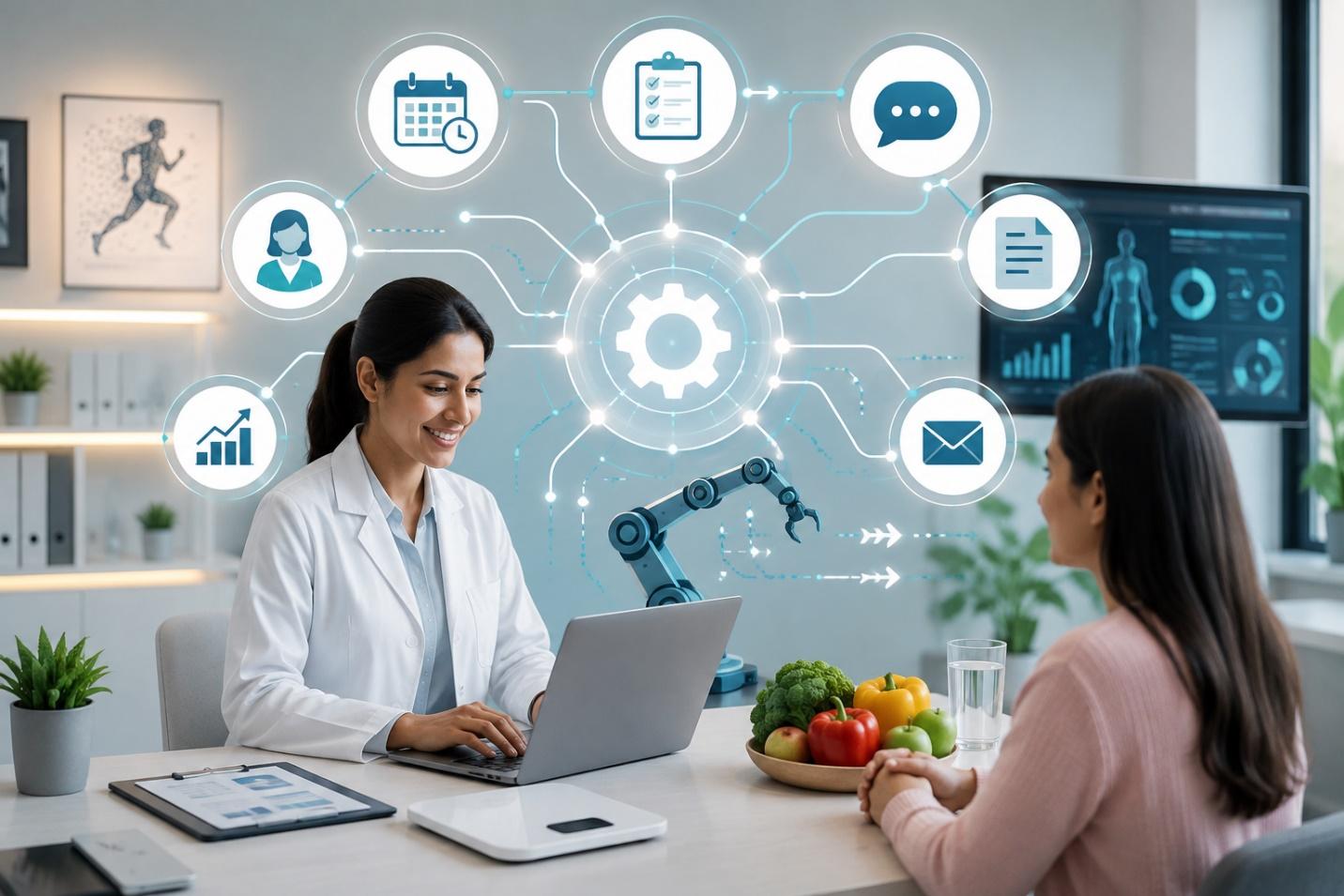
Transforming Clinic Workflows with Automation
For healthcare providers and nutrition practices, transitioning to a digital-first model is essential for long-term scalability and clinical effectiveness. Operating a modern practice manually limits the number of patients a dietitian can care for, while increasing the likelihood of administrative oversight.
Eliminating Charting Friction
Design-intensive tasks and manual calculations absorb valuable clinical time that should be spent with patients. Automated tools streamline menu composition, nutrient balancing, and portion sizing. This efficiency allows practitioners to focus on clinical analysis, patient education, and long-term care strategy.
Improving Patient Care and Capacity
When administrative tasks are streamlined, dietitians can expand their consultation volume without compromising quality. Rapid generation of customized care plans enables practices to reduce patient wait times, respond faster to acute dietary inquiries, and offer structured ongoing care programs.
Standardizing Clinical Quality
Standardizing diet creation using digital systems ensures consistent care quality across an entire clinic or practice team. Whether a case involves pediatric nutrition, geriatric care, or acute gut rehab, standardized tools help clinicians maintain evidence-based dietary guidelines while adjusting plans to fit individual patient profiles.
Key Frequently Asked Questions
1. What is digital nutrition care?
Digital nutrition care is an evidence-based clinical approach that uses advanced software, data analytics, and digital monitoring tools to deliver personalized dietary therapy, track health progress, and streamline practice management for nutrition professionals.
2. How does microbiome science transform personalized gut health?
Microbiome science identifies specific bacterial populations and metabolic markers unique to each individual. This data allows healthcare providers to design customized dietary interventions that directly support beneficial bacteria, repair gut integrity, and resolve digestive dysfunction.
3. How do digital nutrition platforms analyze gut health?
Digital platforms process clinical inputs, biological symptom logs, food tolerance tracking, and lab reports. Algorithms synthesize this complex data into clear, actionable dietary strategies tailored to the patient's gut profile.
4. Why is personalized gut health better than standard diets?
Standard diets assume human digestive systems respond identically to food groups. Personalized gut care accounts for individual microbial variations, food sensitivities, metabolic differences, and existing inflammatory conditions, producing safer and more effective outcomes.
5. How does digital nutrition help manage IBS?
Digital tools help clinicians precisely structure, execute, and monitor complex dietary protocols such as low-FODMAP diets. They allow systematic tracking of symptom triggers during food reintroductions to pinpoint precise food intolerances.
6. Can personalized nutrition help with IBD and Ulcerative Colitis?
Yes. Tailored nutrition strategies support medical treatments for Inflammatory Bowel Disease by providing non-irritating, nutrient-dense meal plans designed to reduce inflammation, minimize mucosal damage, and maintain nutritional balance during flare-ups.
7. How does AI improve gut health diet chart creation?
AI technology instantly evaluates thousands of nutritional variables, clinical rules, and patient preferences to build balanced, customized meal plans in seconds. This reduces manual charting time while keeping care plans clinically accurate.
8. What are the benefits of clinical nutrition software for gut care?
Clinical software accelerates workflow, reduces administrative burden, improves tracking precision, standardizes care protocols, and empowers dietitians to deliver personalized dietary therapy to more patients efficiently.
Final Thoughts
The integration of microbiome science into practical dietetics represents a major advancement in clinical health management. Generic, outdated meal charts are rapidly being replaced by precise, biological-data-driven nutrition therapies. By combining advanced microbial insights with modern software tools, healthcare professionals can deliver deeply customized, effective dietary interventions for even the most complex gut and metabolic conditions.
To succeed in this evolving healthcare landscape, nutrition practices need reliable digital infrastructure. This is where Dytoclick empowers modern dietitians and clinical practitioners. Designed to simplify clinical workflows, Dytoclick provides intelligent automation that accelerates diet chart creation, improves practice efficiency, and supports higher standards of personalized care. By adopting advanced digital solutions like Dytoclick, health practitioners can lead the shift toward precision nutrition—delivering better health outcomes, faster care, and scalable practice growth.