In today's healthcare and wellness landscape, digital care is no longer optional—it is a competitive advantage. Practitioners who adopt digital systems early are building stronger authority, improving client outcomes, and scaling their practices faster. Meanwhile, those who delay risk losing visibility, efficiency, and trust.
If you want to stay relevant and competitive, embracing digital healthcare solutions early can make a significant difference.
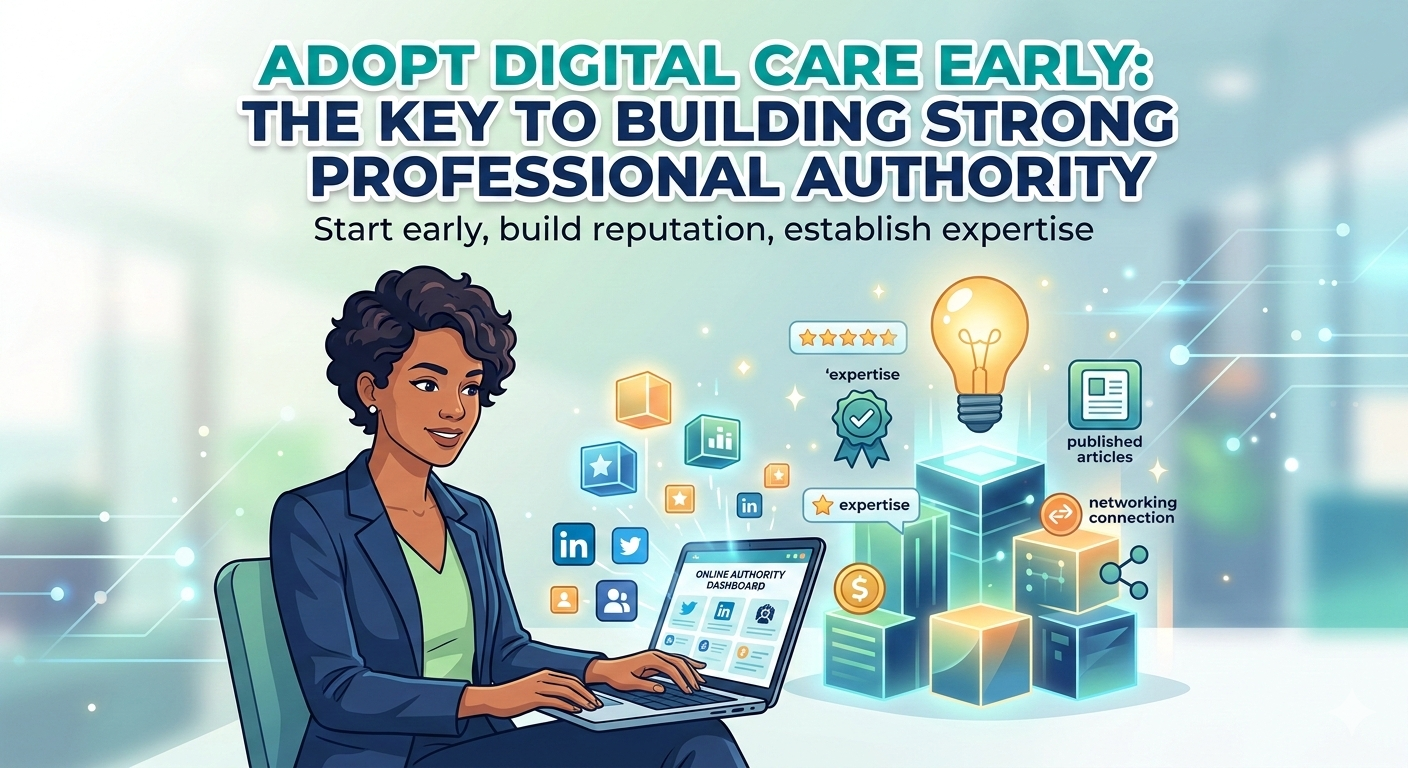
The Advantage of Early Digital Care Adoption
Early adopters of digital care platforms position themselves ahead of the curve. By integrating digital tools for client management, consultations, and progress tracking, practitioners can deliver a more structured and efficient experience.
Digital care systems allow professionals to:
Track client progress in real time
Automate routine administrative tasks
Provide personalized plans and data-driven insights
Improve communication and engagement
These capabilities enhance both client satisfaction and clinical efficiency. When clients receive timely feedback, structured plans, and measurable progress reports, they develop greater trust in their practitioner.
Over time, this trust translates into stronger professional authority and a better reputation in the industry.
Why Delaying Digital Transformation Hurts Your Practice
Waiting to adopt digital healthcare technology may feel comfortable in the short term, but it can limit long-term growth.
Practices that rely on manual systems often struggle with:
Delayed client feedback
Disorganized data and records
Missed follow-ups
Limited scalability
These inefficiencies can reduce client engagement and slow practice growth. On the other hand, practitioners using digital care platforms can manage larger client volumes while maintaining high-quality service.
As more professionals transition to technology-enabled care, those who delay adoption may find themselves trying to catch up in a more competitive market.

Digital Presence Builds Professional Authority
Authority today is closely connected to online visibility and data-driven practice. Early adopters often build stronger digital credibility because they can consistently share insights, track measurable outcomes, and showcase structured care systems.
Digital care tools support:
Better reporting and analytics
Consistent client monitoring
Scalable service delivery
Improved professional branding
When practitioners combine expertise with modern systems, they naturally position themselves as leaders in their field.
Modern Clients Expect Digital Convenience
Today's clients expect healthcare services to be as convenient as other digital experiences. They look for easy appointment scheduling, digital progress tracking, and accessible communication channels.
Practices that offer digital client management systems and structured care programs meet these expectations more effectively. This not only improves client satisfaction but also strengthens long-term relationships.
Future-Proofing Your Practice with Digital Care
Adopting digital care early helps practitioners build efficient systems, collect valuable data, and refine their services over time. These advantages compound, enabling sustainable growth and stronger authority.
Professionals who delay this transition may eventually adopt the same tools, but by then, early adopters have already established market leadership.
FAQs
1. Why is early adoption of digital care important for healthcare professionals?
Early adoption helps practitioners streamline operations, track client progress efficiently, and deliver structured care. It also strengthens professional credibility by enabling data-driven decisions and improving client engagement through modern digital systems.
2. How do digital care platforms improve client outcomes?
Digital platforms allow practitioners to monitor progress in real time, provide personalized care plans, and maintain consistent communication. These features help clients stay engaged, follow recommendations more effectively, and achieve measurable health improvements.
3. What challenges do practices face when they delay digital transformation?
Practices relying on manual systems often experience disorganized data, missed follow-ups, slower communication, and limited scalability. These challenges can reduce efficiency and make it difficult to compete with digitally enabled healthcare providers.
4. How does a platform like Dytoclick support digital care delivery?
Dytoclick helps practitioners manage client records, track progress, automate workflows, and deliver structured care programs from a single system. This allows professionals to provide efficient, scalable, and data-driven healthcare services while strengthening their digital presence.
Final Takeaway
In the evolving healthcare ecosystem, early adopters of digital care technology gain a clear advantage. They improve efficiency, enhance client engagement, and build lasting professional authority.
Platforms like Dytoclick are helping practitioners move beyond basic digital tools by providing an integrated system for managing client data, tracking progress, and delivering structured care programs. By streamlining workflows and enabling data-driven decisions, Dytoclick empowers professionals to provide consistent, scalable, and high-quality care while strengthening their digital presence.
The reality is simple: waiting on digital care does not protect your practice—it slows your growth. Those who adopt early don't just follow industry change—they lead it.