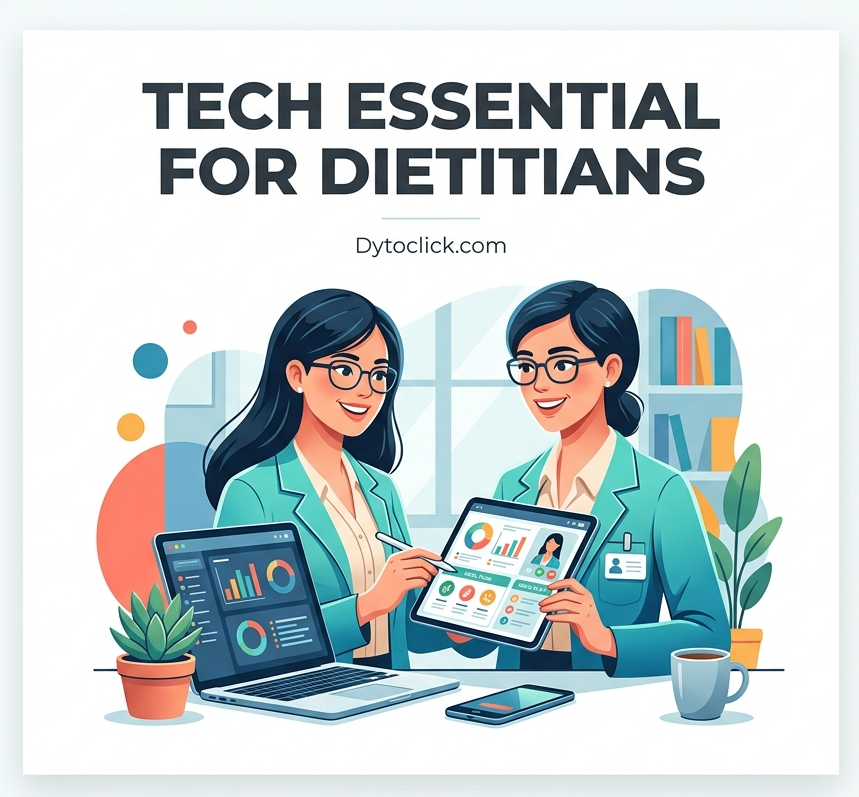
Technology is no longer optional for dietitians—it's essential for saving time, improving client outcomes, and building scalable, modern nutrition practices. Now let's go deeper into why this shift is happening.
The Digital Shift in Nutrition Practice
The nutrition industry is rapidly evolving alongside digital healthcare. Today's dietitians are moving away from manual systems and embracing integrated platforms that simplify workflows, enhance communication, and support better decision-making.
1. Digital-First Mindset of New Dietitians
The next generation of dietitians has grown up in a tech-driven environment. Using apps, cloud tools, and automation feels natural.
What this means:
Paper-based records feel outdated
Spreadsheets are seen as inefficient
All-in-one nutrition platforms are preferred
Dietitians now expect tools that combine diet planning, client tracking, and communication in one place.
2. Technology Improves Workflow Efficiency
Traditional practice involves repetitive, time-consuming tasks. Technology removes much of this burden.
Key improvements:
Automated appointment scheduling and reminders
Ready-to-use diet plan templates
Centralized client data management
This allows dietitians to spend less time on admin and more time delivering personalized care.
3. Clients Expect a Digital Nutrition Experience
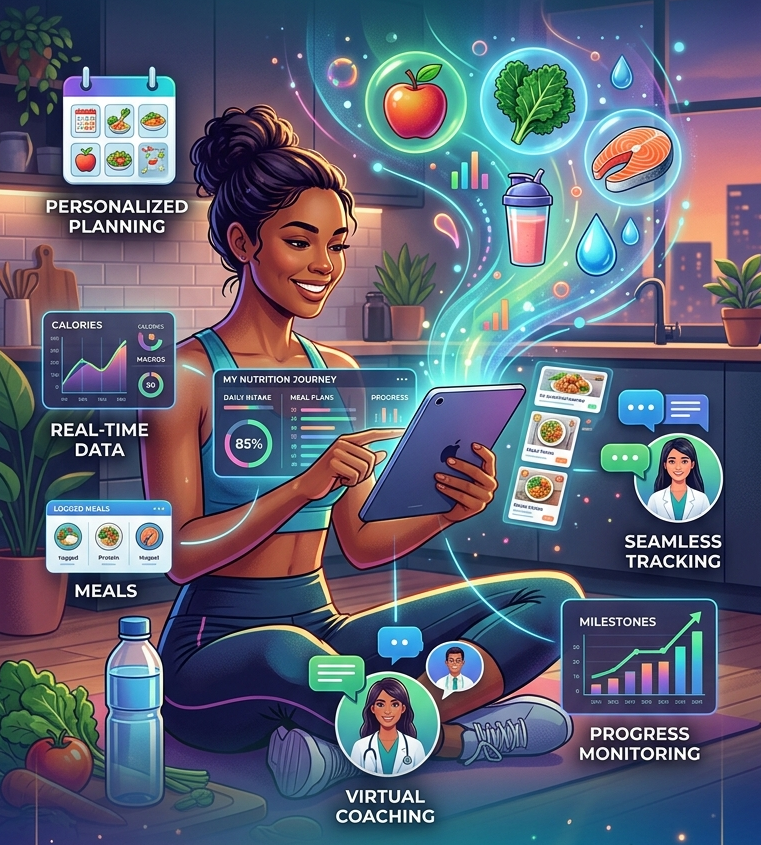
Modern clients want convenience, accessibility, and real-time engagement.
Today's client expectations:
Online consultations
Mobile-friendly diet plans
Meal and habit tracking
Progress monitoring dashboards
Instant communication
Dietitians who offer digital experiences are more likely to retain and engage clients effectively.
4. Data-Driven Nutrition Is the Future
Healthcare is shifting toward data-backed decisions, and nutrition is no exception.
How technology helps:
Integrates data from wearables and health apps
Tracks lifestyle patterns and eating habits
Enables real-time adjustments to diet plans
Instead of static plans, dietitians can deliver dynamic, personalized nutrition guidance.
5. Technology Enables Scalable Nutrition Practice
Technology allows dietitians to grow beyond one-to-one consultations.
Scalable opportunities include:
Structured nutrition programs
Online coaching systems
Group coaching models
Digital courses and memberships
This helps professionals reach more clients without compromising quality.
6. Reducing Administrative Burnout
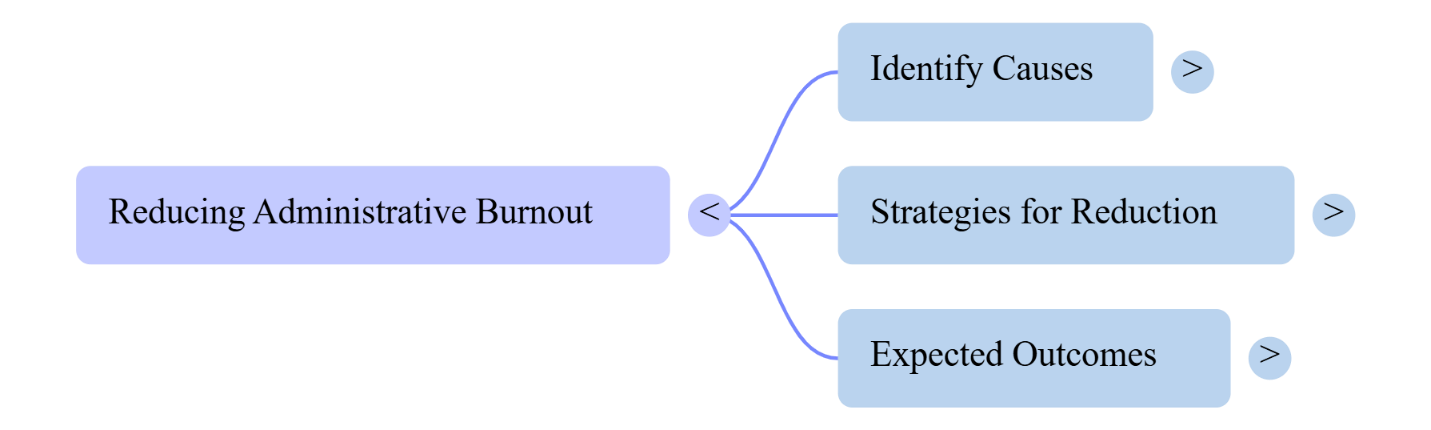
Administrative overload is one of the biggest pain points in dietetic practice.
Technology solves this by:
Automating follow-ups and communication
Organizing client records digitally
Simplifying billing and tracking
Result: More focus on strategy, client care, and professional growth.
1. Why is technology becoming essential rather than optional for dietitians?
Technology is shifting from a convenience to a necessity because it directly impacts efficiency, accuracy, and client outcomes. Digital tools reduce administrative workload, improve data organization, and allow dietitians to deliver more personalized, timely interventions—something difficult to achieve with manual systems alone.
2. In what ways does technology actually improve day-to-day efficiency?
Technology minimizes repetitive tasks through automation—such as scheduling, follow-ups, and diet plan creation—while also centralizing client data. This reduces errors, saves time, and allows dietitians to manage a larger client base without compromising the quality of care.
3. What level of digital experience do clients realistically expect today?
Most clients expect a hybrid experience that combines professional guidance with digital convenience. This includes easy access to diet plans on mobile devices, progress tracking, virtual consultations, and responsive communication—all of which improve engagement and adherence.
4. How does technology support long-term growth in a nutrition practice?
Technology enables scalability by allowing dietitians to move beyond one-on-one sessions. Through digital programs, group coaching, and automated systems, professionals can serve more clients efficiently while maintaining consistent service quality and structured delivery.
Final Takeaway
Technology is reshaping the future of nutrition practice. It enhances efficiency, improves client engagement, and enables scalable growth. For the next generation of dietitians, adopting digital tools is not just an advantage—it's a necessity.
Dytoclick is an innovative software designed specifically for dietitians, helping them create personalized nutrition plans and efficiently manage client progress. Along with its practical tools, Dytoclick also serves as a reliable knowledge platform, offering expert content on diet, nutrition, and health-related topics. By combining technology with education, Dytoclick empowers professionals to make informed dietary recommendations that support both physical and mental well-being.